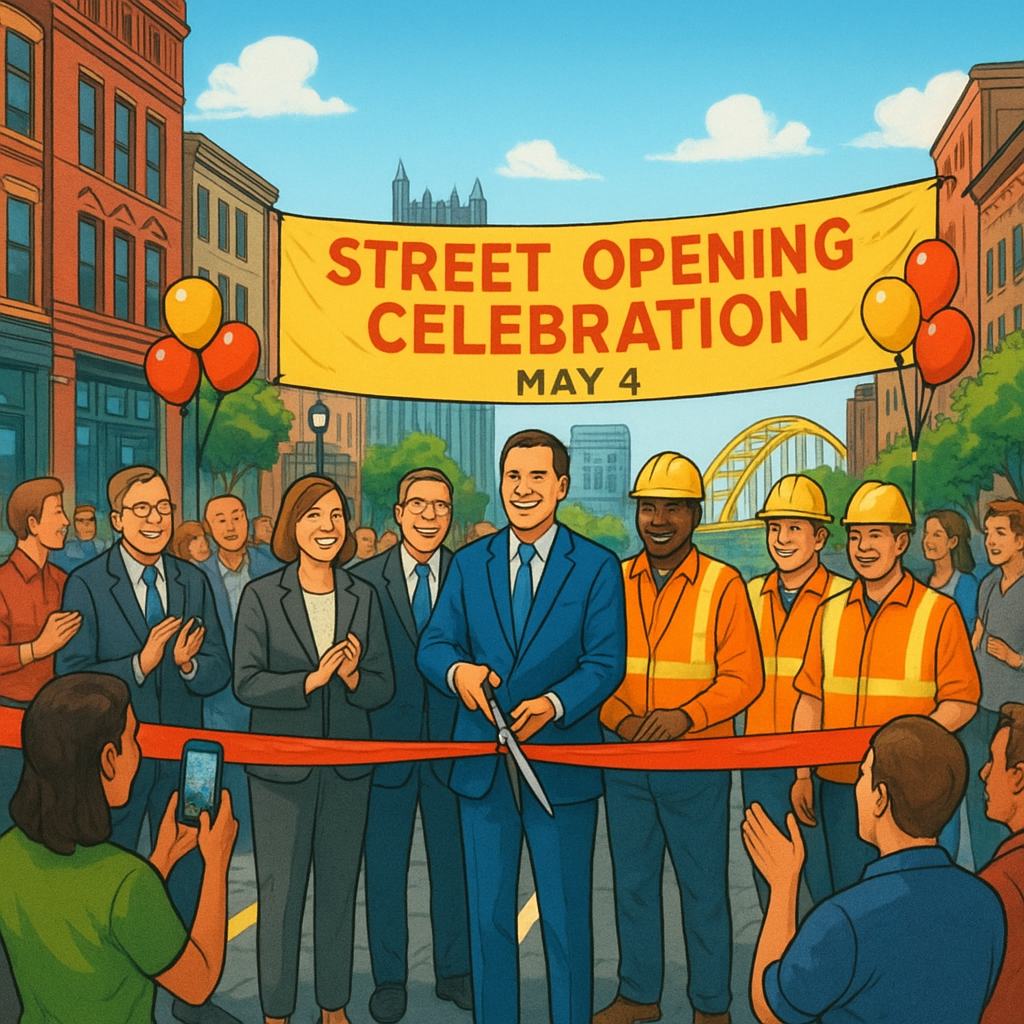
Have you ever driven through Pittsburgh and noticed a perfectly smooth stretch of road suddenly marred by a patch that’s already sinking? Or maybe you’ve seen a sidewalk that never quite looked the same after utility work. That’s exactly the kind of scenario the City of Pittsburgh works hard to prevent. And one of its most powerful safety nets is something called a Street Opening Bond. It might sound like dry bureaucracy, but it’s really just a promise—backed by money—that our streets and sidewalks will be put back together the right way.
If you’re a contractor, a utility company, or even a homeowner planning a big project that involves digging into a city street or sidewalk, you’ll need to understand this bond. Think of it as a key that unlocks a permit, and a shield that protects everyone who uses Pittsburgh’s public spaces. Let’s break down what this bond is, why it matters so much for our city’s infrastructure, and how it quietly enhances safety every single day.
What Exactly Is a Pittsburgh Street Opening Bond?
In simple terms, a Pittsburgh Street Opening Bond is a type of surety bond required by the City of Pittsburgh, Pennsylvania. Whenever you need a permit to cut into, excavate, or open up any public street, alley, or sidewalk within city limits, this bond usually comes into play. It’s not an insurance policy that protects your business. Instead, it’s a three-party guarantee that protects the city—and by extension, all of us who live, walk, and drive here.
Let’s imagine a practical analogy. When you rent an apartment, you pay a security deposit. The landlord holds that money to make sure you don’t punch holes in the walls or leave the place trashed. If you do, the landlord uses your deposit to fix it. A street opening bond works exactly the same way, just on a larger scale. You (the contractor) promise to repair the street to the city’s standards. The bond is a financial guarantee held by a surety company. If you fail to restore the pavement, sidewalk, or underlying base properly, the City of Pittsburgh can make a claim on that bond to pay for someone else to do the fix.
Why the City of Pittsburgh Requires This Bond
Pittsburgh isn’t just one giant slab of asphalt. It’s a living network of roads, water lines, gas mains, fiber optics, and sewers that weave underground like a hidden spiderweb. Every day, projects need to access that underground world. A plumber replacing a sewer lateral, a telecom company laying new internet cables, or a tree service fixing a root-damaged sidewalk—all of them have to open up the street. Without a strong requirement like the City of Pittsburgh PA Street Opening Bond, the temptation to rush a backfill job or use cheap materials could be too great. A poorly compacted trench can turn into a rut, a pothole, or a sudden sinkhole. That’s a safety hazard and an expensive headache for taxpayers.
The bond serves as a critical quality assurance tool. It aligns a contractor’s financial interest with the long-term health of the infrastructure. When someone knows their bond could be pulled to pay for repairs, they’re much more likely to follow the strict specifications for excavation, backfilling, and temporary patching. In essence, the city is saying, “We trust you to do the work, but we need a guarantee that you’ll leave our public space just as sturdy and safe as you found it.”
Protecting More Than Just Asphalt
While we often focus on the road surface, the bond’s protection goes deeper. It ensures that the trench’s base and backfill materials are properly compacted in lifts. If that isn’t done correctly, the ground can settle, damaging water and gas lines and cracking the pavement above. The bond also helps guarantee that temporary steel plates are secure and that warning signs and barricades are in place during construction. All of this creates a safer environment for pedestrians, cyclists, and motorists. So the next time you see a neatly patched strip in a crosswalk that didn’t turn into a tripping hazard after the first rainstorm, you might just have a Pittsburgh City PA Street Opening Bond to thank.
How the Bond Enhances Infrastructure and Safety
Infrastructure deterioration often happens in slow motion. A cut that’s not properly sealed allows water to seep in. Freeze-thaw cycles in our classic Pennsylvania winters then work their destructive magic, expanding the cracks into full-blown potholes. What starts as a simple utility cut can weaken the entire pavement structure over a few seasons. The street opening bond acts as a long-term custodian for these vulnerable spots.
By mandating a restoration period—often a temporary patch followed by a permanent restoration months later—the city uses the bond to ensure contractors don’t just disappear. If the temporary patch sinks or fails, the bond is still on the hook. This forward-thinking approach keeps our streets smoother for longer and reduces the frequency of expensive emergency repairs. It’s a direct investment in the resilience of Pittsburgh’s transportation network, from bustling downtown arteries to quiet residential hillsides.
Safety is woven into this process too. The bond backs up the city’s requirement that all work zones meet strict safety standards. Proper traffic control, steel plating with skid-resistant surfaces, and timely restoration of pedestrian walkways aren’t just nice-to-haves; they’re part of the commitment the bond enforces. If a contractor leaves a dangerous gap in a sidewalk without a proper ramp, the city can step in immediately, knowing the bond will cover the cost of making it safe.
Who Needs a Street Opening Bond in Pittsburgh?
You might be surprised at the range of projects that trigger this requirement. The bond is not just for enormous infrastructure companies. Here’s a quick look at who typically needs one:
- Utility contractors installing or repairing water, gas, electric, or sewer lines.
- Telecommunications companies laying fiber optic cables or upgrading networks.
- Plumbers and drain layers connecting a home’s sewer lateral to the main line in the street.
- General contractors performing any excavation that disturbs the public right-of-way.
- Underground storage tank removers or environmental firms doing soil remediation.
- Homeowners who, in rare cases, pull a permit themselves for a major driveway replacement or sewer repair that extends into the street. (Often the contractor provides the bond on your behalf.)
The common thread is simple: if you intend to cut, dig, or break the surface of a street, alley, sidewalk, or curb owned by the City of Pittsburgh, you’ll almost certainly need a Pittsburgh Pennsylvania Street Opening Permit Bond before the permit is issued.
Navigating the Bonding Process Without the Headache
Getting bonded might sound like a complicated journey, but it’s actually quite streamlined, especially if you work with a specialized surety bond agency. The first step is to contact the City of Pittsburgh’s Department of Mobility and Infrastructure (or the permitting office) to determine your exact bond amount. The city often sets the bond amount based on the scope of the work—maybe $5,000 for a small residential sewer tap, up to $10,000, $25,000, or even more for a major contractor doing extensive trenching.
Once you know the required amount, you apply for the bond. The surety company will look at your personal credit, business experience, and financial stability. For most small to mid-sized bonds, this is a quick underwriting process. You’ll pay a small premium, typically a percentage of the total bond amount—often between 1% and 5% for well-qualified applicants. So, a $10,000 street opening bond could cost you just a few hundred dollars a year. That’s a small price for the ability to work legally and build trust with the city.
After approval, you receive the bond form, which you submit to the city along with your permit application. The bond stays on file and is usually continuous until canceled. Just remember, you’re responsible for keeping it active for the entire duration of your restoration obligations, which can extend well beyond the physical digging.
Common Questions and Straightforward Answers
Let’s tackle a few things people often wonder about when they first hear the term “street opening bond.”
Is a Street Opening Bond the Same as a License Bond?
Not exactly. A license bond guarantees you’ll follow rules and regulations tied to a professional license. A street opening bond is a specific permit bond that guarantees the physical restoration of public property. In Pittsburgh, you may need both, depending on your trade. The street opening bond is directly tied to the physical act of opening the street.
What Happens If My Temporary Patch Sinks?
If the city inspector determines the settling is due to improper backfill or compaction, they’ll notify you to fix it. If you don’t, the city can file a claim against your bond. The surety company will then investigate. If the claim is valid, the surety pays the city up to the bond’s penal sum, and then you must reimburse the surety company for every penny. That’s a powerful motivator to do the job right the first time.
Can I Get Bonded If My Credit Isn’t Perfect?
Yes, in most cases. Surety companies specialize in this kind of risk. While great credit gets you the lowest rate, many agencies offer bonding programs for those with less-than-perfect credit. The premium might be a bit higher, but you can still secure the bond and get your permit. It’s always worth talking to a bond professional rather than assuming you won’t qualify.
Why This Bond Is a Win for Everyone in Pittsburgh
It’s easy to view a bond requirement as just another hurdle or a fee. But step back and look at the big picture. A well-maintained street network attracts businesses, keeps property values stable, and makes daily commutes less stressful. The bond system ensures that the cost of repairing subpar work doesn’t fall on taxpayers who had nothing to do with the original cut. Instead, the party responsible is held accountable—financially.
For contractors, carrying a solid City of Pittsburgh Street Opening Bond is a badge of professionalism. It tells the city and your potential customers that you stand behind your work. It can even speed up the permitting process because the city already has your guarantee on file. And for residents, it means that when the orange barrels disappear, the road won’t start crumbling six months later, leaving you dodging a new crater every morning.
Whether you’re digging into Penn Avenue or just connecting a new house in Squirrel Hill to the main, the street opening bond is the invisible thread that ties private work to public safety. It’s a practical, time-tested tool that keeps Pittsburgh moving forward—literally—one properly compacted trench at a time. So next time you see a crew cutting into the pavement, you’ll know there’s a promise resting beneath their shovels, a promise that our streets will be whole again.