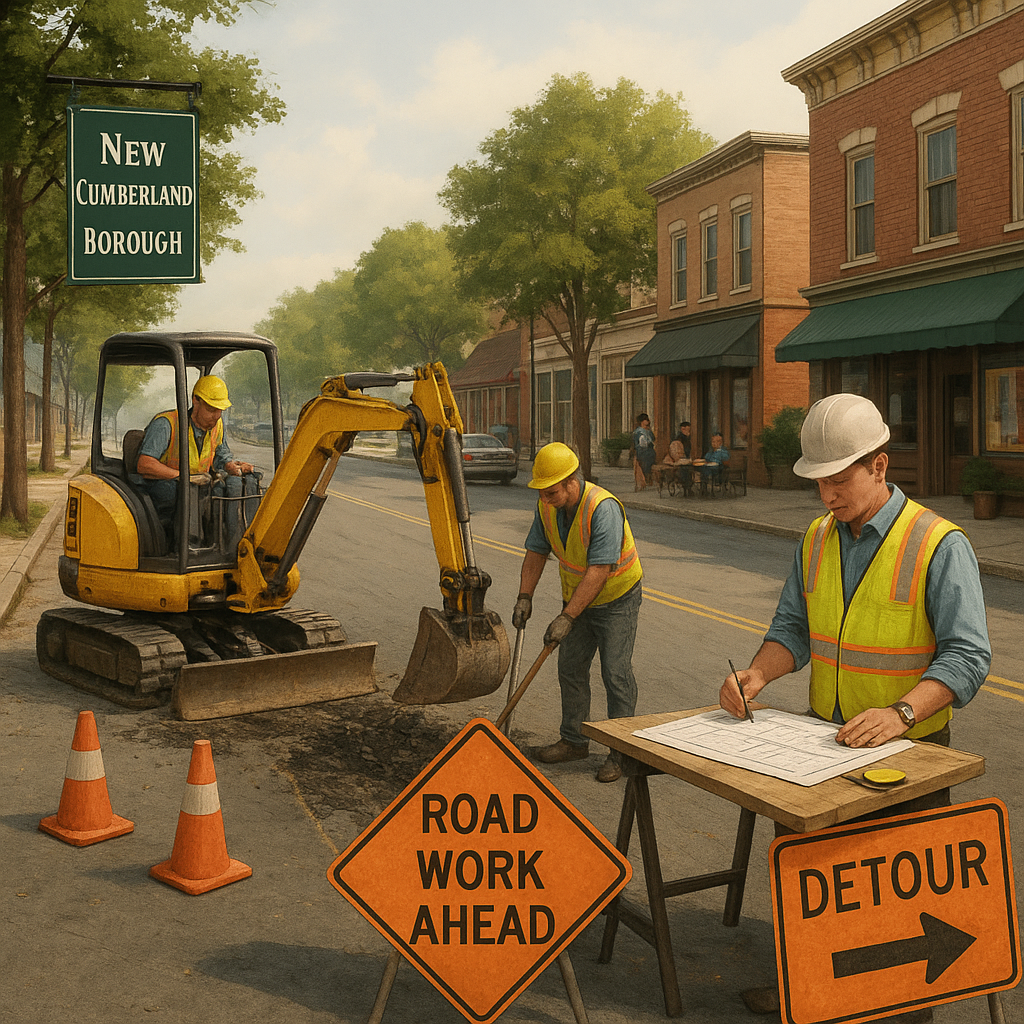
Have you ever wondered what happens when a contractor or utility company needs to dig up a street in your neighborhood? It’s a messy process, and it can leave behind a bumpy, crumbling patch if not done correctly. That’s where the New Cumberland Borough Street Cut Ordinance comes into play. If you’re a homeowner planning a new driveway, a business owner upgrading your water line, or just a curious resident, understanding this local rule can save you from unexpected headaches and costs.
Let’s break it all down in plain language. No legalese, no confusing jargon. Just the essentials you need to know about street cuts, bonds, and keeping our roads in good shape.
What Is a Street Cut, Anyway?
A street cut is exactly what it sounds like: cutting open the pavement of a public road to access something underneath. Think of the street like a protective skin over a network of pipes, wires, and cables. When someone needs to repair a water main, install a gas line, or replace a sewer lateral, they have to slice through that skin.
Here are a few common reasons for a street cut:
- Connecting a new home to the public sewer or water system.
- Fixing a broken underground pipe.
- Running electrical or fiber optic cables to a building.
- Installing a new driveway approach or curb cut.
Without proper oversight, these cuts can turn into long-term problems. Poorly patched pavement leads to potholes, sinking surfaces, and expensive damage. That’s why the Borough of New Cumberland steps in with a clear set of rules.
Why New Cumberland Borough Created This Ordinance
New Cumberland, like many Pennsylvania communities, takes pride in its infrastructure. Streets are not just for driving; they’re part of the town’s character and a major investment of taxpayer money. The Street Cut Ordinance is a protective layer—much like insurance—for the roads we all share.
Imagine you just repaved your driveway, and then a utility crew digs a trench right through the middle of it. You’d want a guarantee that they’d restore it perfectly, right? The ordinance works on that same principle, holding any person or company accountable for the work they do in the public right-of-way.
The Heart of the Matter: The Street Cut Bond
Now, let’s talk about the part that often raises questions: the bond. A Street Cut Bond is not a daily expense you’ll encounter, but it’s a crucial piece of the puzzle for anyone planning excavation work in the borough. Think of it as a security deposit.
When you apply for a permit to cut into a street, New Cumberland requires you to post a bond. This bond guarantees two things:
- The work will be done according to the borough’s specifications.
- If the contractor fails to restore the road properly, funds from the bond will cover the cost of borough crews fixing it instead.
How Does the Bond Amount Get Determined?
The bond isn’t a one-size-fits-all number. It’s typically calculated based on the size and depth of the planned cut. A small trench for a residential water line will require a much smaller bond than a massive excavation for a commercial development. Borough officials review the project plans and estimate how much it would cost to repave the affected area if everything went wrong. The bond amount reflects that worst-case scenario.
For residents, this might sound intimidating, but it’s actually a consumer protection measure. It means you won’t be left with a crumbling street if a fly-by-night contractor skips town after doing shoddy work.
Who Needs to Worry About This?
Most people will never need to file for a street cut permit. But you should be aware of the process if you find yourself in any of these situations:
- You’re building a new home and need to tap into the public sewer or water main.
- Your aging sewer line has collapsed and must be replaced from the house to the main.
- You’re installing a geothermal system that requires underground loops beneath the street.
- You’re a contractor working on any project within New Cumberland Borough limits.
In many cases, the contractor you hire will handle the permit and bond as part of their services. But it’s wise to ask them upfront: “Will you secure the street cut bond, or is that my responsibility?” Clear communication avoids surprises.
Step by Step: What the Process Looks Like
Navigating a borough ordinance can feel daunting, but New Cumberland has streamlined the steps to be as clear as possible. Here’s a typical path you might follow:
- Initial Contact: You or your contractor reach out to the borough’s public works or engineering department. They’ll provide the necessary forms and explain current requirements.
- Permit Application: You submit a detailed plan showing exactly where the cut will be, its dimensions, and the timeframe for the work.
- Bond Calculation: The borough reviews the plan and tells you the required bond amount. This often involves a surety bond or a cash deposit held in escrow.
- Pre-Inspection: Before any pavement is cut, a borough inspector may come out to document the existing condition of the road. This is for everyone’s protection.
- The Work: The contractor performs the excavation, does the underground work, and then backfills the trench according to strict standards.
- Restoration: A temporary patch is often placed immediately, but a permanent restoration follows later—once the ground has settled. This might include a full-depth asphalt patch or even an entire lane repaving, depending on the cut’s location.
- Final Inspection: A borough official inspects the finished work. If it meets all standards, the bond is released. If not, the borough calls on the bond to complete the repairs.
A Word About Timeframes
The ordinance sets clear deadlines. Temporary patches must be maintained, and permanent restoration cannot drag on indefinitely. Typically, the permanent fix must be completed within a certain number of days—often 30 to 90—after the initial cut. This keeps a small pothole from becoming a year-long nuisance.
What Happens If Someone Ignores the Rules?
You might wonder, “What’s the big deal? Can’t they just fill the hole and move on?” The borough takes a firm stance because one bad patch can trigger a chain of problems. Water seeps into cracks, freezes in winter, and expands, turning a small scar into a crater. That pothole then damages cars and invites lawsuits.
If a contractor or property owner performs a street cut without a permit, or fails to restore the road properly, the consequences can be steep. These may include:
- Fines for violating the ordinance.
- Immediate stop-work orders until compliance is met.
- Forfeiture of the posted bond to cover borough-made repairs.
- Liability for any damage or injuries resulting from the improper patch.
For a homeowner, this could mean paying out of pocket for costly repairs and additional fees. It’s always better to follow the official route.
Why a Bond Protects You More Than the Borough
It’s easy to see the bond as just another bureaucratic hoop. But when you dig deeper (pun intended), you realize it’s a safety net for property owners. Let’s say you hire a plumber to replace your sewer line. They do the excavation, finish the pipe work, and throw some cold patch in the hole. Two months later, that patch sinks six inches, creating a hazard. The plumber is nowhere to be found—maybe they’ve gone out of business.
Without the bond, you could be on the hook for thousands of dollars to repave that section of public street, because the damage occurred as part of your project. With the bond in place, the borough can use those funds to hire a qualified paving crew, and you’re not left to deal with the aftermath alone. That’s peace of mind.
The Bigger Picture: Community and Infrastructure
When you drive through New Cumberland, the smooth roads and well-maintained streets don’t happen by accident. They’re the result of careful planning, regular maintenance, and ordinances like the Street Cut Ordinance. By requiring bonds and inspections, the borough ensures that every underground repair or new installation doesn’t shorten the lifespan of our roads.
Think of the bond as a promise to your neighbors. It says, “Yes, I need to open this street, but I’m going to leave it just as good—or better—than I found it.” That promise helps maintain property values, keeps emergency vehicles moving safely, and keeps our community looking its best.
Common Questions New Cumberland Residents Ask
Is a permit always needed for driveway repairs? Not necessarily. Resurfacing an existing driveway without changing its location usually doesn’t trigger a street cut permit. But if you’re widening your curb cut or altering the apron that connects to the road, you’ll likely need one.
Can I do the work myself? While a homeowner may be allowed to pull a permit for certain projects, the restoration of the street surface is often required to be performed by a contractor with proven experience—and sometimes a specific class of license. The borough wants to see that the crew knows how to compact backfill and lay hot asphalt properly.
How much does a typical bond cost? Bond amounts vary widely. A small residential sewer lateral repair might require a bond of a few thousand dollars. A larger commercial project could require tens of thousands. The good news is that for a surety bond, you usually pay only a fraction of the total amount as a premium—similar to an insurance policy.
Working Together for Better Roads
Understanding the Street Cut Ordinance isn’t just about avoiding penalties. It’s about being an informed resident who contributes to the well-being of New Cumberland. Next time you see a crew working in the street, you’ll recognize the layers of planning and protection that went into that project before a single shovel hit the ground.
If you’re considering a project that might touch the public right-of-way, start early. Visit the borough office or website, ask questions, and get clear on what’s required. A little paperwork upfront saves a mountain of trouble later. And when your street is still smooth years after that necessary repair, you’ll know why the system works.