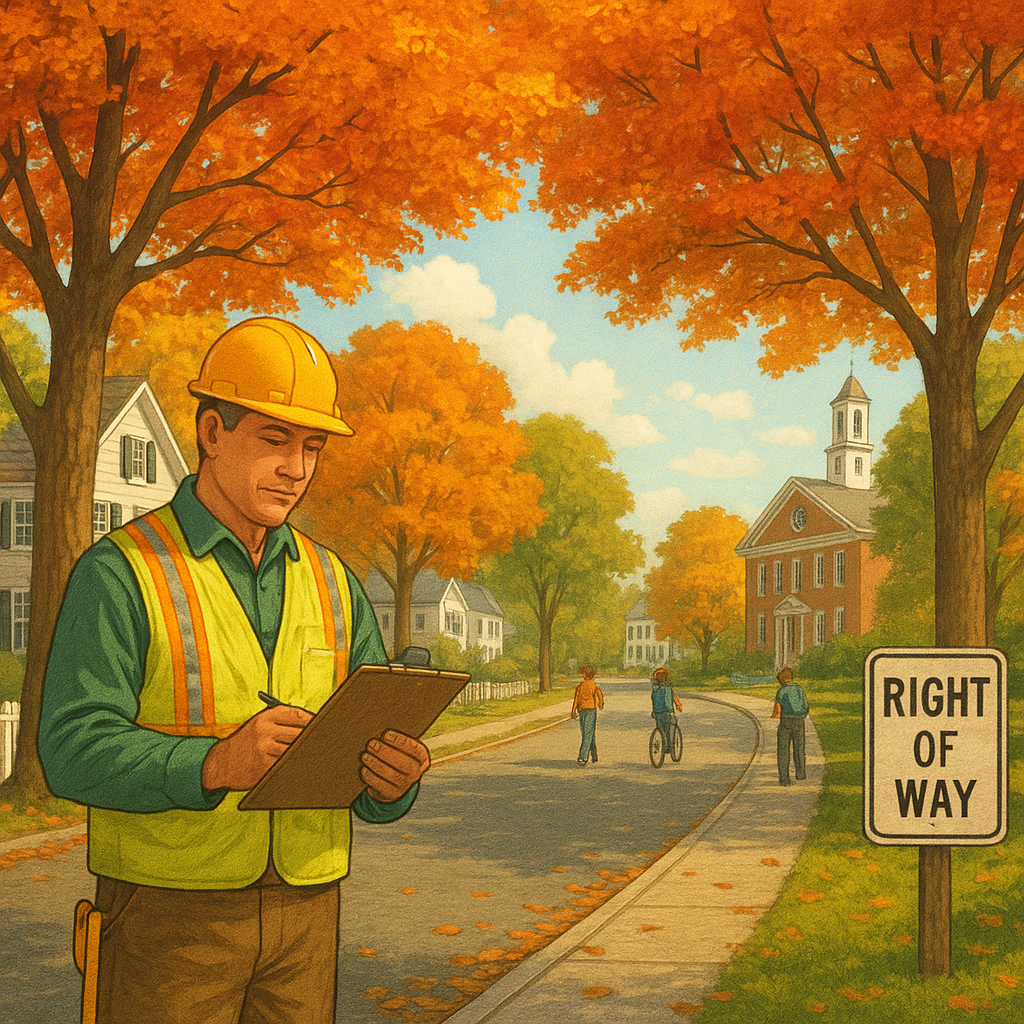
Picture this: a stately old oak tree in your front yard has a large dead limb hanging over the road. You know it needs to come down before the next storm, but you’re not sure if you can just hire a tree service and go ahead. If you live in Westport, Connecticut, the answer is a little more involved—and for good reason. The town has specific rules around tree work, especially when it involves the public right-of-way, and a unique requirement called a Tree Work Permit Bond. Let’s break it all down in plain English, so you can keep your property safe and stay on the town’s good side.
Why Westport Takes Tree Work So Seriously
Westport is known for its lush, tree-lined streets and a strong commitment to preserving its natural beauty. Trees aren’t just pretty—they boost property values, clean the air, and provide shade that lowers energy bills. But trees near public roads and sidewalks can also become hazards if they’re neglected. A falling limb or an unstable trunk isn’t just a private problem; it’s a public safety issue. That’s where the town steps in with permits and right-of-way rules, making sure any work is done safely, correctly, and with the community’s best interests in mind.
What Exactly is a Tree Work Permit in Westport?
A tree work permit is basically a green light from the town that says you’re allowed to trim, prune, or remove certain trees. Not every tree on your property needs a permit, but many do—especially if they fall within the town’s right-of-way or are considered “public shade trees.” These are trees planted along the street, often between the sidewalk and the curb, or even some large trees on private land that the town deems significant to the streetscape. You can think of the permit as your formal request: “Hey, I need to do this tree work, here’s my plan, and I promise to do it responsibly.”
Enter the Tree Work Permit Bond: Your Pledge to the Town
Here’s where it gets interesting. Westport requires many applicants to secure a Tree Work Permit Bond before the work begins. A bond is not insurance for you—it’s a financial guarantee you provide to the town. Think of it like a security deposit. If you hire a contractor to cut down a tree along the roadside and they accidentally damage the sidewalk, the town can use the bond to cover repairs. It protects Westport and its residents from shoddy work or unfinished jobs. If you follow all the rules, the bond eventually goes away or is released without issue. If you don’t, the town has a safety net.
How Does the Bond Amount Work?
The bond amount can vary depending on the scope of the work. A small pruning job might need a bond of a few thousand dollars, while a large removal near utility lines could require something more substantial. The town’s tree warden or public works department will tell you the exact figure after reviewing your application. Importantly, you don’t need to tie up that much cash yourself. You purchase a surety bond through an insurance or bonding company for a small percentage of the total coverage. It’s affordable, and the cost is generally a fraction of the bond amount.
Understanding the Public Right-of-Way
The phrase “right-of-way” trips up a lot of people. It’s the strip of land the town owns or has an easement over, typically starting from the center of the road and extending a certain number of feet onto what looks like your front yard. In many Westport neighborhoods, that strip includes the sidewalk, the grassy area next to it, and sometimes even part of your lawn. If a tree sits within that zone—or its branches overhang the road or sidewalk—the town has a say in what happens to it. You might own the land but not the right to disturb the public’s safe passage without permission.
A Simple Analogy
Imagine you’re renting an apartment. You can paint the walls, but you need the landlord’s approval before you knock down a wall. The town acts like the “landlord” for the right-of-way, ensuring the shared space remains safe and attractive for everyone. You still get the benefits of a beautiful tree, but the wider community has a stake in it too.
When Do You Need a Tree Work Permit and Bond?
Not all tree work triggers the requirement. Generally, you’ll need to apply if:
- The tree is within the town’s right-of-way, or its canopy extends over the road or sidewalk.
- You plan to remove a public shade tree or a tree of a certain size on private property that the town protects.
- Major pruning (beyond simple deadwood removal) is planned near utility lines or public infrastructure.
- You’re a contractor hired to work on such trees, and the town requires a bond to safeguard against damage.
If you’re just trimming a small ornamental tree in your backyard far from the street, you probably don’t need a thing. But when in doubt, a quick call to the Westport Tree Warden’s office can save you a world of trouble.
The Step-by-Step Journey: From Application to Completion
Let’s walk through what a typical permit and bond process looks like. It’s less intimidating once you see the roadmap.
1. Assess the Situation
Walk your property and note any trees that look unhealthy, dead, or dangerously close to the road. If you’re unsure whether the right-of-way extends to where the tree stands, the town can help you figure it out.
2. Contact a Licensed Arborist
Towns like Westport often require a certified arborist’s assessment. They can tell you if the tree can be saved with pruning or must be removed. Their report becomes part of your permit application and shows the town you’ve done your homework.
3. Submit Your Application
The permit application typically asks for the property address, a description of the work, the arborist’s report, and a site plan. You’ll also indicate who will do the work. If it’s a contractor, they might need to provide their own proof of insurance and bonding—or you’ll secure the bond.
4. Secure the Tree Work Permit Bond
Once the town sets the bond amount, contact a surety bond agency. You pay a premium (often based on your credit and the risk), and they issue the bond certificate. You’ll submit that with the rest of your paperwork. The bond remains in force until the town signs off on the completed work.
5. Get the Green Light and Do the Work
With permit in hand and bond in place, you can hire a qualified tree service. Make sure they follow all safety protocols and stick to the scope approved by the town. This isn’t the time for scope creep—if you realize more work is needed, reach out to the town before acting.
6. Final Inspection and Bond Release
After the job is done, the town may send someone to inspect the area. They’ll check for clean cuts, no damage to public property, and proper cleanup. Once everything looks good, the bond is released or exonerated. You’re all set.
Common Pitfalls (And How to Sidestep Them)
Even well-meaning homeowners hit snags. One frequent mistake is assuming that because you planted a tree 20 years ago, it’s entirely yours to remove. If it’s in the right-of-way, the town’s interest trumps personal preference. Another error is starting work without realizing a bond was needed—this can lead to stop-work orders and fines. Also, skipping the arborist report often delays the permit, because the town wants an expert’s word that removal is justified. A little patience upfront prevents a lot of headaches later.
Why These Rules Actually Help You
It’s easy to view permits and bonds as bureaucratic red tape. But think about what they prevent. Without the bonding requirement, a disreputable tree service could cut corners, damage a gas line, and vanish, leaving you and the town with a massive repair bill. The permit process ensures trees aren’t removed willy-nilly, preserving Westport’s character for generations. And the right-of-way protections keep sidewalks passable, streets clear for emergency vehicles, and neighborhoods safer. Ultimately, these rules protect your investment in your home and community.
Real-Life Example: The Neighbor’s Leaning Pine
Say your next-door neighbor has a towering white pine leaning precariously toward the street after a wet spring. The branches scrape the power lines, and the base is lifting the sidewalk. Even though it’s on their property, the right-of-way impacts mean the town can require them to address it. The neighbor applies for a permit, gets a bond, and hires a bonded contractor. The tree is safely removed without damaging the road, the sidewalk is repaired under the contractor’s insurance, and the bond is released. Everyone sleeps better that night—no lawsuit, no outages, no finger-pointing. That’s the system working as designed.
Frequently Asked Questions, Answered Casually
Is the bond the same as my homeowner’s insurance?
No. Homeowner’s insurance covers your liability if something goes wrong on your property, like a tree falling on your house. The bond specifically guarantees that the permitted tree work meets the town’s standards and that any damage to public property gets fixed. They serve different purposes.
How much does the bond cost me out of pocket?
For a typical residential project, the premium might be between 1% and 5% of the total bond amount. So if the town requires a $5,000 bond, you could pay as little as $50 to $250. It’s a small price for compliance and peace of mind.
Can I do the work myself to avoid the bond?
Even if you’re a skilled DIYer, the town still wants the bond because the risk to public property exists regardless of who wields the chainsaw. Plus, major tree work is dangerous and best left to pros with the right equipment. Your application may be denied if you can’t show you’re using a licensed, insured service.
What if I don’t touch the tree and it falls naturally?
If a storm blows a right-of-way tree onto the road, it’s generally the town’s responsibility to clear it. But if you knew the tree was a hazard and didn’t act, there could be liability questions. When in doubt, report dangerous trees to the town. You won’t get in trouble for asking questions.
Tips for a Smooth Westport Tree Project
- Start early; permit approvals can take a few weeks during busy seasons.
- Keep photos of the tree before work begins, just in case a dispute arises later.
- Choose a tree care company that has experience with Westport’s regulations. Ask if they’ve worked on bonded permit jobs before.
- Respect the right-of-way—don’t plant new trees near the road without checking allowed species and spacing with the town.
- Visit the Westport town website or call the Public Works department for the latest application forms and bonding requirements, as rules can change.
Wrapping It All Up
Navigating Westport’s tree work permit and bond requirements might feel like a detour, but it’s really a road map to a safer, prettier town. The bond isn’t a punishment; it’s a promise that you’ll do right by your neighbors and the public spaces we all share. Next time you look at that old oak leaning toward the street, you’ll know exactly what to do—call an arborist, file your permit, secure your bond, and rest easy knowing you’re part of keeping Westport’s tree canopy healthy and hazard-free for everyone.