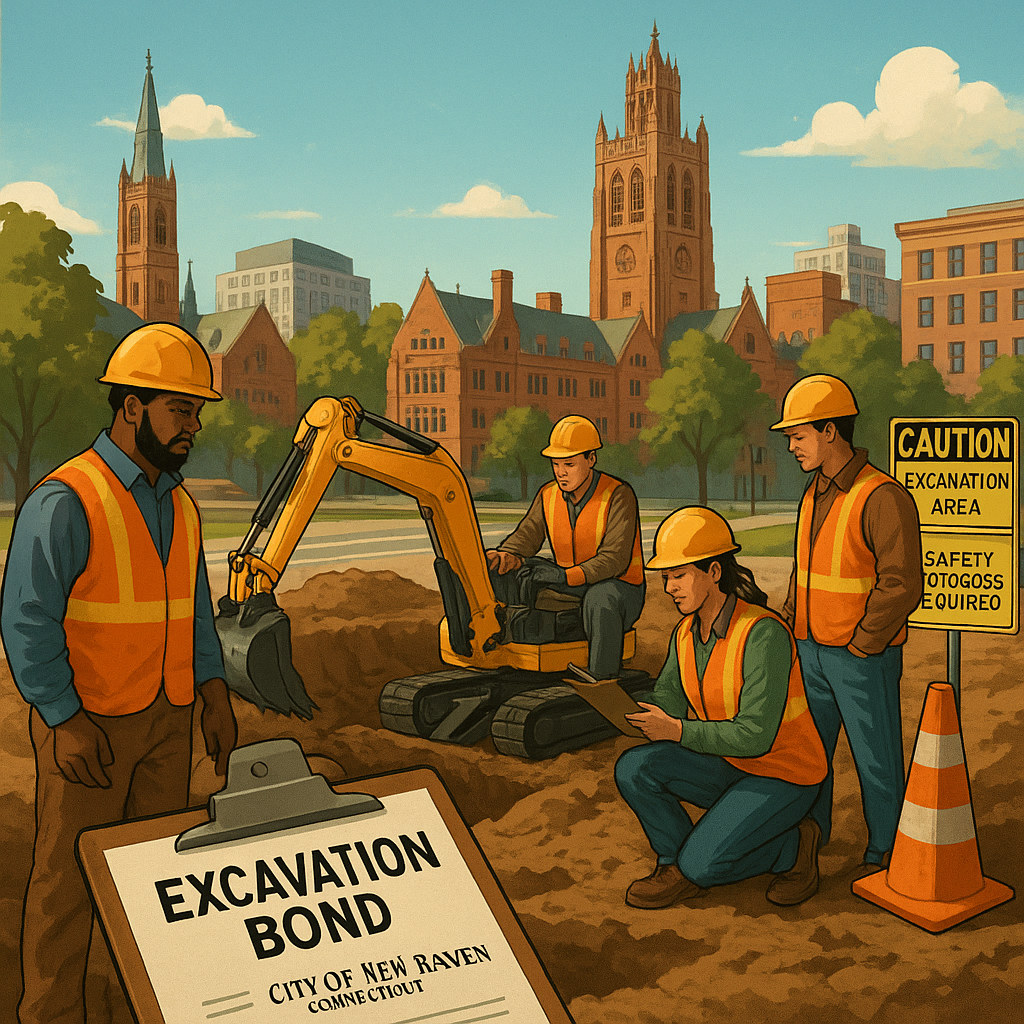
If you’re an excavation contractor in New Haven, Connecticut—or thinking about becoming one—you’ve probably heard the words “bond” and “compliance” tossed around more times than a shovel in soft soil. But what does it all actually mean for your day-to-day work? More importantly, how do you make sure you’re following the rules without getting buried in paperwork?
Let’s dig into the world of excavation contractor compliance and bonding in the Elm City together. Whether you’re a seasoned pro or just starting out, this guide will break everything down into simple, bite-sized pieces.
What Exactly Is an Excavation Bond?
Think of an excavation bond as a safety net—but not for you, for the city and its residents. In simple terms, it’s a type of surety bond that guarantees you’ll do your job according to local laws and regulations. If something goes wrong—say, you accidentally damage a public utility line or fail to restore a street properly—the bond provides financial protection to the City of New Haven.
Actually, calling it a “bond” can be a little misleading. It’s not insurance for your business. Instead, it’s a three-party agreement between you (the contractor), the city (the obligee), and a surety company (the backer). If you don’t meet your obligations, the surety pays the city up to the bond amount, but then they’ll come looking to you for reimbursement. So a bond is really a promise backed by money—your money, eventually.
Why Does New Haven Require Excavation Bonds?
Here’s a simple truth: digging up streets, sidewalks, or public rights-of-way can cause a lot of damage if it isn’t done carefully. New Haven’s streets are historic, narrow, and packed with underground utilities that weave together like spaghetti. One wrong move and you might knock out power to a whole block or crack a century-old sewer line.
To protect taxpayers and keep the city’s infrastructure from turning into a patchwork of shoddy repairs, the City of New Haven mandates that excavation contractors post a bond before obtaining a permit. This requirement is part of the city’s broader public works and right-of-way management ordinances. It’s the city’s way of saying, “We trust you, but we also want a guarantee.”
Compliance-Only vs. Full Bonding: What’s the Difference?
You might have seen the term “compliance-only” floating around in New Haven’s contractor requirements. This can confuse just about anyone, so let’s clear it up. A compliance-only bond focuses strictly on ensuring you follow all municipal codes, regulations, and permit conditions. It doesn’t necessarily cover the physical restoration work itself—that might be handled through a separate performance bond or a different guarantee.
In many cases, New Haven requires excavation contractors to secure a bond that covers both compliance and restoration. But the specific type and amount depend on the scope of your project. Always check with the City Engineer’s office or the Department of Public Works for the exact bonding form they’ll accept. Don’t assume a generic bond will check all the boxes.
Who Needs a New Haven Excavation Bond?
If you plan to excavate in the public right-of-way within city limits, you need a bond. This applies to:
- General excavation contractors opening trenches for utilities.
- Plumbers or drainage specialists connecting to city mains.
- Landscaping companies doing deep earthwork near streets.
- Paving and curb replacement crews.
- Any subcontractor performing digging operations that disturb public property.
Even if you’re only doing a small job—like repairing a water service line from the street to a single-family home—the bond requirement still stands. The city rarely makes exceptions, because even small holes can lead to big liabilities.
How Much Does an Excavation Bond Cost in New Haven?
Here’s where many contractors breathe a sigh of relief. You don’t need to pay the full bond amount out of pocket. The bond amount required by New Haven can vary—often between $10,000 and $50,000 depending on the project—but you only pay a small percentage of that as a premium. This premium is usually based on your personal credit score and business financials.
For example, if the city requires a $20,000 bond, your annual premium might fall somewhere between $200 and $600 if your credit is solid. Not a bad price for peace of mind and the legal ability to work. If your credit is less than perfect, don’t panic. Many surety companies offer programs specifically for contractors. The rate may be higher, but it’s still far less than the full bond penalty.
The Step-by-Step Path to Compliance
Getting bonded and permit-ready in New Haven doesn’t have to feel like a maze. Here’s a quick roadmap to keep you on track:
1. Know Your Project’s Scope
Before anything else, determine exactly where you’ll be digging and what infrastructure you might encounter. Call 811 for utility mark-outs and gather a detailed site plan. The city will want to see that you’ve done your homework.
2. Reach Out to the City
Contact the New Haven Department of Public Works or the City Engineer’s office. Ask them what bond form they require, the specific bond amount for your job, and any additional insurance certificates they’ll want. This step alone can save you days of back-and-forth later.
3. Find a Reputable Surety Bond Provider
Look for a bonding agency that knows Connecticut municipal requirements inside and out. They’ll walk you through the application, pull a soft credit check (usually), and issue the bond within a day or two once approved. Many can email the bond directly to the city on your behalf.
4. Bundle with Licensing and Permits
With the bond in hand, you’ll typically combine it with your contractor registration or license and the specific street-opening permit for the job. Double-check that all names on the bond match your business name exactly as registered with the state. One tiny mismatch can send you back to square one.
5. Keep Records and Renew Annually
Most excavation bonds run for a one-year term and must be renewed. Set a reminder 30 days before expiration. If your bond lapses, the city can revoke your permits immediately, leaving you unable to work.
Common Pitfalls That Can Wreck Your Compliance
Even experienced contractors sometimes stumble. Here are a few traps to avoid:
- Assuming one bond covers multiple municipalities. New Haven often has its own bond form separate from the state’s or neighboring towns. A bond filed with Hamden or West Haven won’t necessarily satisfy New Haven.
- Not understanding restoration standards. The bond ensures you’ll restore pavement, sidewalks, or landscaping to the city’s satisfaction. If you do a quick patch and walk away, you risk a claim against your bond—and a black mark on your reputation.
- Letting your business credit slide. Bond premiums are tied to your financial stability. Paying bills on time and keeping business credit clean can save you hundreds of dollars each year.
- Skipping the fine print. The bond document might contain provisions that require written notice for changes in your business structure. If you change your LLC to a corporation, update the bond accordingly.
How Does an Excavation Bond Actually Protect You?
It might seem like the bond only protects the city, but it safeguards your business too. Think about it: without a bond, any damage you cause could turn into an immediate lawsuit or out-of-pocket expense that threatens your livelihood. With a properly structured bond, you have a clear process for resolving disputes. The surety company will investigate, and if a claim is valid, they’ll pay the city so you can keep working while you arrange repayment. This structure can prevent a financial punch from knocking you out entirely.
Plus, being bonded gives you a competitive edge. When the city clerk sees you’ve got your bond paperwork crisp and current, you’re already positioning yourself as a reliable professional. That can mean the difference between snagging a big project and watching it go to someone else.
What Happens If You Work Without a Bond?
If you start digging without the required bond, you’re not just bending the rules—you could face stop-work orders, stiff fines, and even a ban from future city contracts. New Haven takes public safety and infrastructure integrity seriously. A few years ago, contractors who overlooked bonding requirements found themselves on the wrong end of enforcement actions that cost them far more than the price of a bond. It’s simply not worth the risk.
Local Nuances You Should Know
New Haven has character—and so do its regulations. The city is home to Yale University, historic districts, and a dense urban core. That means excavation near landmarks or in high-traffic areas might trigger additional bonding or insurance requirements. The city might also demand a traffic control plan, and your bond must remain active until the city issues a final inspection and acceptance of the work, which could be months after you’ve filled the last hole.
Don’t forget that Connecticut also has a “Call Before You Dig” law that runs parallel to local rules. While 811 notification is a state mandate, the New Haven bond specifically covers local restoration and compliance. You’ll need to satisfy both layers—state law and city ordinance.
Making the Process Less Painful: A Proactive Mindset
What if you treated compliance as a business asset rather than a chore? Imagine never having to scramble for last-minute paperwork when a project comes your way. Build a relationship with a local surety agent who understands New Haven’s quirks. Keep a folder—physical or digital—with your current bond, insurance certificates, and a cheat sheet of city contacts. When a client calls with a rush job, you’ll already be miles ahead of the competition.
Ask yourself: when was the last time you reviewed your bonding needs? If it’s been a while, a quick phone call can clarify whether your current bond still aligns with the work you do today. You might have started out doing small residential patches and now you’re bidding on major commercial streetscapes. That growth might mean your bond amount needs to grow too.
Wrapping It All Up
New Haven’s excavation contractor compliance and bonding requirements aren’t meant to trip you up—they’re meant to make sure the city’s streets stay safe, attractive, and functional for everyone. When you understand what a bond is, why the city demands it, and how to secure one without breaking the bank, the whole process transforms from a headache into just another routine step of doing business.
By staying proactive, asking the right questions, and partnering with knowledgeable professionals, you can keep your focus where it belongs: on getting the job done right, shovel by shovel.