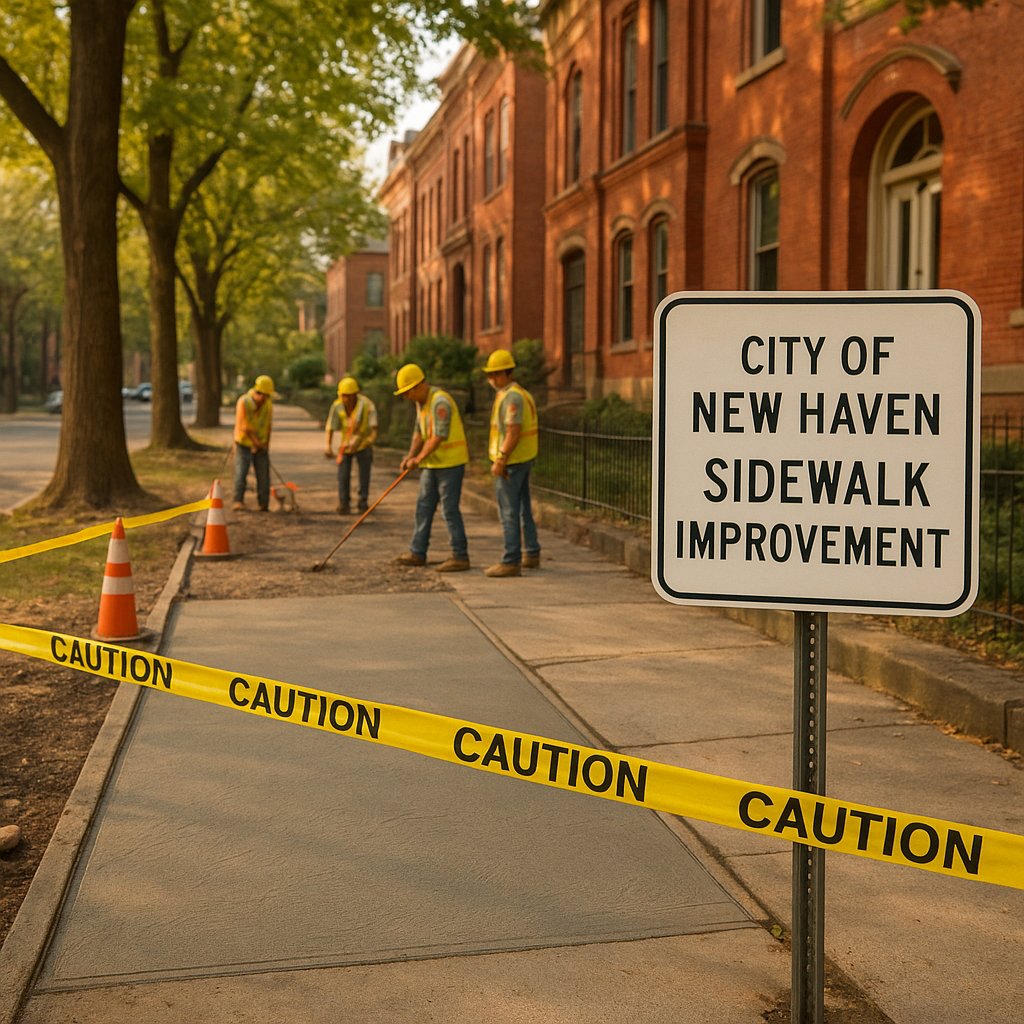
Have you ever strolled down a New Haven street and thought, “This sidewalk could use a little love”? You’re not alone. Walkability is the heartbeat of our city, connecting neighbors, supporting local businesses, and making daily life a breeze. But keeping those pathways safe and beautiful requires hard work from skilled contractors—and a little something called a sidewalk bond. If you’re a contractor looking to work in New Haven, or simply a resident curious about how our sidewalks stay in top shape, you’re in the right place. Let’s break it all down in plain, friendly language.
What Exactly Is a New Haven Sidewalk Bond?
Think of a sidewalk bond as a promise wrapped in paperwork. It’s a type of surety bond that the City of New Haven, Connecticut, requires from contractors who work on public sidewalks. This isn’t just a suggestion—it’s a compliance must-have. The bond guarantees that the contractor will finish the job according to city codes and safety standards. If something goes wrong, like shoddy workmanship or an abandoned project, the bond steps in to protect the city and taxpayers.
In simple terms, a sidewalk bond is a three-party agreement. The contractor (that’s you, the principal), the city (the obligee), and the surety company (the financial backer) all shake hands in a legal sense. The surety says, “If this contractor doesn’t fulfill their obligations, we’ll cover the costs to fix it up to the bond amount.” It’s not insurance for the contractor—it’s a shield for the public.
Why Does New Haven Require Sidewalk Contractor Compliance?
Picture this: you’re walking home, coffee in hand, and you trip over an uneven slab because a contractor cut corners last month. Frustrating, right? New Haven takes walkability seriously, and compliance bonds are one way the city keeps everyone safe. By requiring a sidewalk bond, the city ensures contractors are financially accountable. No one wants half-finished paths or crumbling concrete just months after installation.
The focus on compliance also levels the playing field. Reputable contractors who take pride in their work don’t have to worry about low-ball bidders leaving a mess behind. The bond requirement filters out those who might cut and run. Ultimately, it’s all about protecting the city’s infrastructure and, most importantly, the people who use it every day.
The Walkability Connection: More Than Just Concrete
Walkability isn’t just a buzzword—it’s a quality-of-life game changer. Smooth, well-maintained sidewalks mean kids can walk to school safely, older adults can stay active without fear of falls, and everyone can access parks, shops, and restaurants with ease. New Haven’s sidewalk bond initiative puts a spotlight on this by making sure every repair, replacement, or new installation meets high standards. When contractors know they’re bonded, they’re more likely to deliver quality work because their reputation—and their wallet—is on the line.
Think of the bond as the unseen foundation beneath your feet. You might not notice it, but it’s quietly ensuring that your morning jog or evening stroll remains a pleasure, not a hazard.
How Does a Sidewalk Bond Actually Work?
Let’s demystify the process. When a contractor lands a job to repair or install a sidewalk in New Haven, they must purchase a bond before breaking ground. The bond amount is set by the city, often based on the project’s scope. The contractor pays a small percentage of that total amount as a premium—usually between 1% and 3% for those with good credit. The surety company then issues the bond, and the contractor presents it to the city as proof of compliance.
If the contractor completes the project to code, the bond simply expires without a fuss. But if they fail—say, they use substandard materials or walk off the job—the city can file a claim against the bond. The surety investigates, and if the claim is valid, they pay out to cover the cost of fixing the problem. Then, the surety will turn to the contractor for reimbursement. That’s the key: the bond protects the public, but the contractor is ultimately on the hook.
Common Scenarios That Trigger a Bond Claim
- Abandoned projects: The contractor starts tearing up the sidewalk but never finishes, leaving a dangerous gap.
- Code violations: The work doesn’t meet New Haven’s specific guidelines for slope, material, or accessibility.
- Damage to public property: Heavy equipment scrapes up the road or breaks a water line, and the contractor doesn’t repair it.
- Missed deadlines: The project drags on far beyond the agreed timeframe, disrupting the neighborhood.
Thankfully, these situations are rare when a contractor takes their commitment seriously. The bond’s real power is preventive—it encourages top-notch work from day one.
How Can Contractors Get a Sidewalk Bond in New Haven, CT?
Ready to secure your bond and win that next project? The process is simpler than you might imagine. You’ll start by contacting a surety bond agency that operates in Connecticut. Provide some basic information about your business and financials—the agency typically runs a soft credit check to determine your premium rate. Even if your credit isn’t perfect, don’t sweat it. Many agencies offer programs for various credit levels, and the premium is usually a small fraction of the total bond amount.
Once approved, you’ll pay the premium and receive your bond certificate. Hand that over to the City of New Haven with your permit application, and you’re good to go. It’s a straightforward step that signals professionalism and reliability. After all, being bonded tells the city—and your clients—that you stand behind your work.
Quick Checklist for Contractors
- Confirm the exact bond amount required by New Haven for your specific project.
- Gather your business license, EIN, and financial statements (if requested).
- Compare quotes from a couple of surety agencies to find the best rate.
- Ask about any additional compliance steps, like insurance or city registration.
- Keep your bond active until the project is fully accepted by the city.
Boosting Walkability: A Shared Effort
Just think about what a fully walkable New Haven looks like. It’s more than smooth surfaces—it’s a vibrant, connected community. The sidewalk bond initiative plays a subtle but vital role in that vision. Every time a contractor lays a perfect stretch of concrete, they’re contributing to a city where people choose to walk, linger, and interact. That boosts local businesses, reduces traffic congestion, and even fosters a healthier population.
And it’s not just contractors who benefit. Residents get peace of mind knowing that the city’s rules have teeth. If a sidewalk project goes sideways, there’s a financial safety net in place. It’s community protection built right into the system. So next time you see fresh cement being poured, remember the invisible bond that’s quietly working behind the scenes.
What Happens If a Contractor Doesn’t Get Bonded?
Operating without a required sidewalk bond might be tempting to save a few dollars, but it’s a slippery slope. The City of New Haven can shut down a project, issue fines, or deny permits. Even worse, if something goes wrong, the contractor could face lawsuits or damage their reputation beyond repair. No one wants to be known as the contractor who left a neighborhood with a dangerous eyesore. In the long run, the small premium you pay for a bond is a bargain compared to the potential fallout.
For homeowners or business owners hiring a contractor, always ask to see their bond certificate. A legitimate professional will have it ready. Seeing that document is like a green light, signaling you’re working with someone who follows the rules and respects the community.
Your Part in New Haven’s Walkability Story
Whether you’re lacing up your sneakers for a jog through East Rock or pushing a stroller downtown, sidewalks are your unsung companions. The New Haven sidewalk bond might seem like a small detail in the grand scheme of urban life, but it’s one of those behind-the-scenes heroes that keeps the city moving—literally and figuratively. Contractors who embrace compliance aren’t just checking a box; they’re investing in a safer, more connected New Haven.
So, what’s your next step? If you’re a contractor, think of the bond as your ticket to better opportunities and a stronger reputation. If you’re a resident, appreciate the system that holds quality in place. Either way, you’re part of the walkability movement that makes this city such a special place to call home. Got questions about the bonding process or want to share your sidewalk success story? Drop a comment or reach out—we’d love to keep the conversation going.