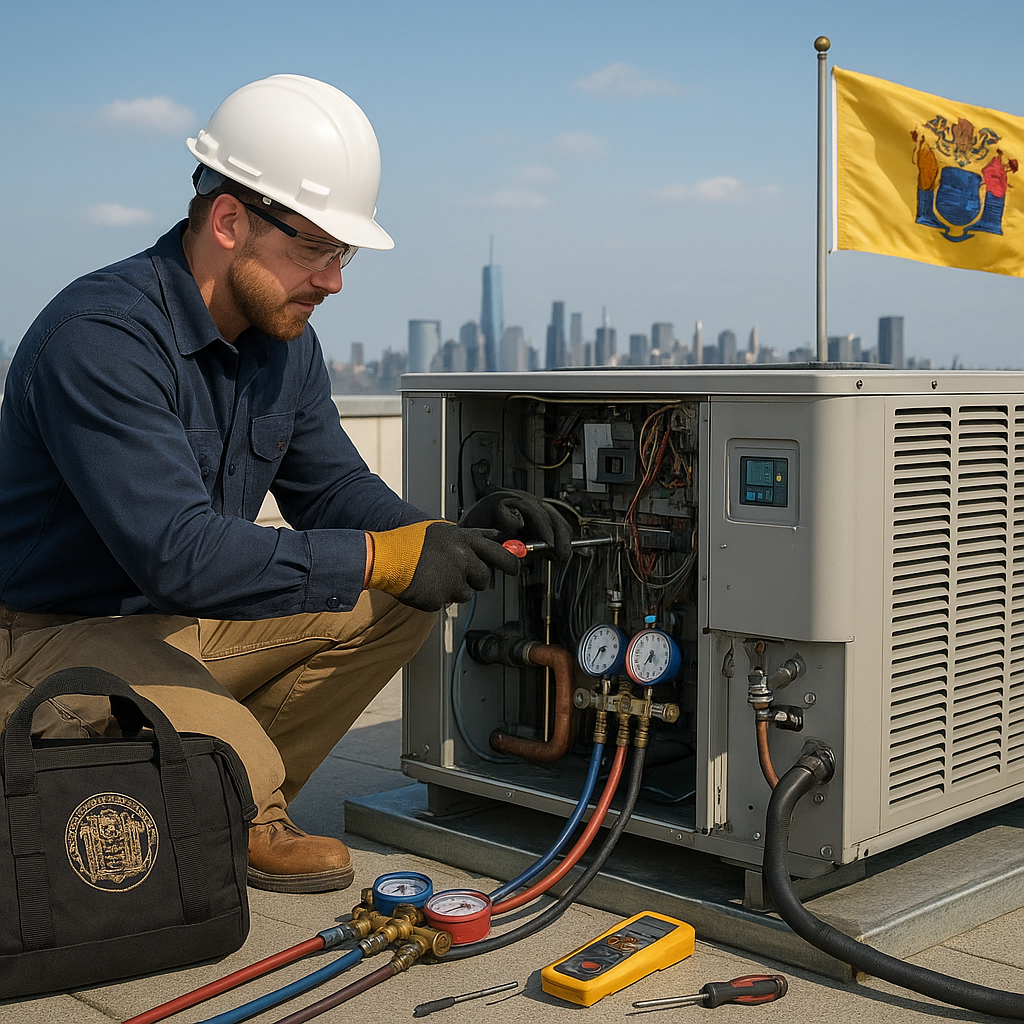
If you’re working in the heating, cooling, or refrigeration world here in the Garden State, you already know the rules matter. Maybe you’ve just finished your training, or perhaps you’ve been running a small HVAC business for years and want to make sure everything is above board. Either way, you have probably heard the words “HVACR bond” tossed around. It might sound like just another piece of paperwork, but it’s really the glue holding your professional promise together.
Let’s unpack what New Jersey requires, why that bond is so important, and how you can handle the whole process without breaking a sweat. Think of this as a friendly guide, no confusing legalese needed.
What Exactly Is an HVACR Contractor in New Jersey?
Before we dive into bonds, let’s get clear on who we’re talking about. An HVACR contractor is anyone who installs, repairs, maintains, or alters heating, ventilating, air conditioning, and refrigeration systems. This isn’t just about keeping a house cool in July. It covers boilers, furnaces, walk-in coolers at your favorite restaurant, and even the complex climate control units in office buildings.
New Jersey treats this profession seriously because it touches public safety, energy efficiency, and indoor air quality. That’s why the state doesn’t just hand out licenses. You have to earn them, and part of the trust-building process is securing a surety bond.
Licensing vs. Bonding: Why They Go Hand in Hand
Many people mix up licensing and bonding, but they serve two different purposes. Think of your license as the state’s permission slip. It says you have the training, experience, and knowledge to do the job right. The bond, on the other hand, is a financial safety net. It says, “If this contractor breaks the rules, there’s money set aside to make things right.”
The New Jersey Heating, Ventilating, Air Conditioning and Refrigeration Contractors bond is required before the state issues your license. It runs to the State of New Jersey, meaning the bond protects the public and the state agency that oversees your work. You can’t legally operate an HVACR contracting business here without this bond in place.
The HVACR Bond: Your Financial Promise to New Jersey
So, what does a bond actually do? Imagine you’re a homeowner who hires an HVAC contractor to install a new central air system. The contractor takes a big deposit but never finishes the work. Or maybe they use substandard parts that cause damage to your property. Without a bond, you might have to fight a long legal battle to recover your money. With a bond, you can file a claim and get compensated directly from the surety company.
That’s the beauty of it. The bond is a three-party agreement. You are the principal (the contractor). The State of New Jersey is the obligee (the party requiring the bond). The surety company is the third party that guarantees your performance. If you fail to follow the rules, the surety pays the claim, but then you must reimburse the surety company. It’s not insurance for you; it’s protection for your customers.
How Much Coverage Do You Need?
The standard bond amount for New Jersey HVACR contractors is $15,000. This figure is set by the State Board of Examiners of Heating, Ventilating, Air Conditioning and Refrigeration Contractors. You don’t need to guess or worry about choosing a limit. The bond must be exactly that amount, and it must be continuous until canceled. That means you need to keep it active for as long as you hold your license.
Who Needs This Bond? Any Exceptions?
Generally, anyone who acts as a prime contractor for HVACR work in New Jersey must hold a license and the accompanying bond. This includes sole proprietors, partnerships, and corporations. If you’re bidding on projects, pulling permits, and signing contracts with customers, this is you. Even if you have years of experience and a spotless record, the state won’t issue a license until the bond is on file.
There is sometimes confusion about subcontractors. If you work exclusively under a licensed prime contractor who holds the required credentials, you might not need your own bond. But the moment you start offering services directly to the public, you need to be licensed and bonded yourself. When in doubt, a quick call to the Board can clear things up.
How to Get Your New Jersey HVACR Bond
Getting bonded is often faster than people expect. You don’t need to trudge through piles of confusing forms. A good surety bond agency can walk you through the steps in a day or two. Here’s what typically happens:
- Gather your basic information: You’ll need your business name, license number (if you’re renewing), and details about your owner or partners.
- Complete a short application: The surety company will ask a few questions about your credit and business history. This is a soft pull process for many contractors.
- Get a quote: You’ll see a premium, not the full $15,000. The premium is a small percentage of the bond amount, often between 1% and 5% for well-qualified contractors.
- Pay and receive your bond form: Once you submit payment, the surety sends you the official document. You then file it with the New Jersey Board.
What if your credit isn’t perfect? Don’t worry. The HVACR bond market is flexible. You may pay a slightly higher premium, but many contractors still get approved. The key is working with a provider that specializes in contractor bonds and understands New Jersey’s specific requirements.
The Real-World Benefits of Being Licensed and Bonded
Sure, the state mandates the bond, but carrying it brings powerful business advantages that go way beyond checking a box. Let’s look at a few ways this small document works for you every day.
Building Instant Trust with Homeowners
Picture two HVAC companies showing up to give a quote. One says “licensed and bonded” on the van and in the proposal. The other doesn’t mention it. Which one makes you feel safer? Homeowners often feel vulnerable when inviting service technicians into their homes. When they see that you are bonded, they know there’s a financial safeguard in place. That trust often translates into “yes, let’s do the project.”
Staying on the Right Side of the Law
Operating without a license and bond in New Jersey invites serious trouble. The state can issue stop-work orders, levy hefty fines, and even initiate criminal charges for fraudulent practices. The bond keeps your business legitimate and open. No sleepless nights worrying about an audit or a competitor reporting you.
Protecting Your Business Reputation
Even the best contractors can make a mistake or face an unfair accusation. The bond provides a structured way to resolve disputes. Instead of a messy lawsuit, the surety company investigates and valid claims get paid. This can prevent a single bad review from exploding into a public relations nightmare.
Common Questions Contractors Ask
I hear the same concerns over and over from New Jersey HVACR pros. Here are a few quick answers.
Is the bond the same as general liability insurance? No, and that’s a crucial distinction. Insurance protects you if something goes wrong on the job, like a broken window or a worker injury. The bond protects the state and your customer from your failure to follow regulations or contractual obligations. You need both.
What happens if someone files a claim against my bond? The surety company will investigate. If the claim is valid, they pay the customer up to the bond amount. But remember, the surety will then come to you for reimbursement, plus any legal costs. So, the bond encourages you to do good work and uphold your end of the bargain.
Can I cancel my bond and just walk away? The bond is “continuous.” You can cancel it, but the surety must notify the state, and your license can be suspended immediately. You’ll need the bond active for the entire life of your license. When you’re ready to retire, there’s a proper process to close things out.
A Simple Analogy: The Umbrella in a Rainstorm
Think of your HVACR bond like a strong, wide umbrella. On sunny days, you might not think about it. It sits in the corner, quietly doing its job. But when a downpour hits, that umbrella keeps you, your business, and your customers dry. A dispute or a regulatory complaint is that sudden storm. Your bond stands ready so one incident doesn’t soak your entire livelihood.
Steps to Renew or Get Licensed for the First Time
Whether you are a seasoned pro renewing your credential or a newcomer ready to launch, the process remains fairly steady.
- Complete the required education and experience documentation outlined by the Board.
- Pass the technical and business law exams.
- Secure general liability insurance as required.
- Obtain your $15,000 HVACR surety bond.
- Submit your application, bond, and fees to the New Jersey Division of Consumer Affairs.
Once the Board approves everything, you receive your license and can legally advertise and perform covered work. Remember, the bond isn’t a one-and-done task. You must renew it annually and keep it active without a lapse.
How to Keep Your Bond Premium Low
Nobody likes paying more than they have to. Here are a few friendly tips to keep your bonding costs manageable.
- Maintain good credit. This factor weighs heavily on your premium. Pay your bills on time and keep credit card balances low.
- Run a clean business. Avoid lawsuits and licensing complaints. A clean record tells the surety company you’re a low-risk operator.
- Renew on time. Letting your bond lapse can trigger higher rates and a scramble to get reinstated. Mark your calendar a month early.
- Work with a specialty agency. Some providers focus only on contractor bonds and can find you the best rate even with a few credit blemishes.
Looking Ahead: A Bright Future for New Jersey HVACR Pros
The demand for skilled heating and cooling experts in New Jersey keeps growing. Older systems need replacement, energy efficiency standards are tightening, and new construction hums along. Customers are also more educated than ever. They ask about credentials. They look up licenses online. Being able to say, “Yes, I’m fully licensed and bonded,” puts you ahead right out of the gate.
Are you ready to take your HVACR business to the next level? Embracing the bonding requirement isn’t just about avoiding penalties. It’s about wrapping your hard-earned reputation in a layer of credibility that speaks loudly to every homeowner and business owner you meet. The paperwork may feel like a hurdle today, but it’s really a stepping stone toward the kind of stable, trusted operation you’ve always wanted.
Take that next step with confidence. Secure your bond, renew it faithfully, and let your work shine. Your customers and the State of New Jersey will thank you.