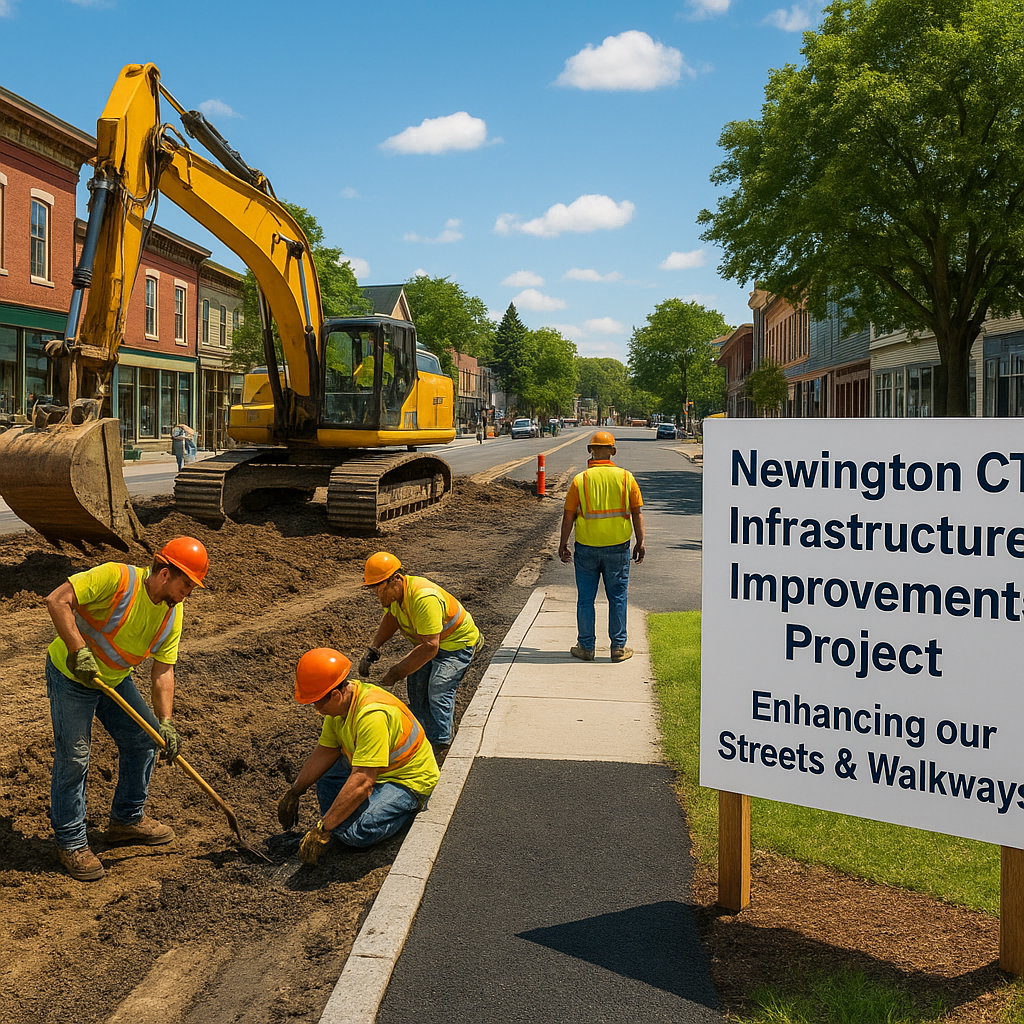
Have you ever driven past a road crew in Newington, Connecticut, and wondered what keeps everyone accountable when they tear up a sidewalk or cut into a street? There’s a quiet hero behind nearly every curb cut, driveway apron, and drainage repair: a contractor’s bond. If you’re a homeowner planning a paving project or a contractor bidding on town work, understanding the bond requirements for drain layers, street excavation, driveway, curb, and walk layers in Newington isn’t just smart — it’s essential. Let’s walk through what these bonds are, why they matter, and how to secure one without breaking a sweat.
What Exactly Is a Contractor Bond?
Think of a bond as a three-way promise. The contractor tells the town, “I’ll do this job right, and I’ll put money on the line to prove it.” The town (Newington) says, “Okay, if you don’t finish or you mess up, we’ll use that money to fix things.” A bonding company backs the whole deal, guaranteeing funds are available. For you, the contractor or homeowner, it’s like a security deposit on a rental car — except it’s protecting public roads, sidewalks, and drainage systems instead of a bumper scratch.
In the simplest terms, a Newington CT drain layer bond or street excavation bond is a financial safety net. It ensures that any work performed in the town’s right-of-way meets local codes and is properly restored. If a contractor cuts open an asphalt road to install a sewer line and leaves a sinking patch, the town can call on the bond to hire a different crew to make it right. No taxpayer money gets drained, and no homeowner is left with a crater in front of their house.
Why Newington Requires Bonds for Right-of-Way Work
Newington’s streets, sidewalks, and curbs don’t belong just to the people living beside them — they’re part of the town’s shared infrastructure. Every time a shovel breaks ground in the public right-of-way, there’s a risk of damaging underground utilities, creating tripping hazards, or altering stormwater flow. The Town of Newington requires a bond to make sure contractors treat these shared assets with care.
Imagine this: A homeowner hires a drain layer to connect a new French drain to the street. The contractor digs up a section of the road, finishes the pipework, and repaves the trench. Two months later, a sinkhole appears because the soil wasn’t compacted correctly. Without a bond, the homeowner might have to chase the contractor for repairs — or pay out of pocket. With a right of way bond Newington in place, the town steps in, uses the bond funds to fix the depression, and the original contractor faces the consequences. It’s a system that keeps our neighborhoods safe and our roads smooth.
Types of Projects That Need a Bond in Newington, CT
Not every backyard flower bed requires paperwork, but quite a few construction activities near the street edge do. The town’s engineering department breaks down the most common bond-required jobs into clear categories. Here’s what typically falls under the drain layer, street excavation, driveway, curb and walk layer’s bond umbrella:
- Drain layer work – Installing, repairing, or replacing storm drains, catch basins, culverts, and any below-ground drainage that connects to the town system.
- Street excavation – Cutting into or trenching across a public road for utility lines, sewer laterals, water services, or any subsurface work that breaks through the pavement.
- Driveway construction or alteration – Building a new driveway apron, widening an existing entrance, or replacing a collapsed approach within the right-of-way.
- Curb and walk layer projects – Pouring new concrete curbs, replacing damaged sidewalk panels, constructing handicap-accessible ramps, or laying granite curbing along a town street.
Often, a single “Right of Way” bond covers multiple scopes if a contractor is performing several tasks at once. For instance, a general contractor who cuts the street, installs drainage, and rebuilds the sidewalk on one site can typically obtain one comprehensive bond rather than three separate ones. The key is that the bond amount must adequately cover the potential restoration costs for every activity.
The Drain Layer, Street Excavation, Driveway, Curb, and Walk Layer’s Bond Explained
Let’s give this long-named requirement a friendlier face. In Newington, any contractor performing work inside the public right-of-way — from a small curb replacement to a deep sewer excavation — must post a surety bond with the town prior to pulling a permit. The official name might vary on forms (you’ll see terms like Newington CT drain layer bond or street excavation bond), but the concept remains the same for all of them.
How much does the bond need to be? The town sets the amount based on the project’s size and complexity. A minor sidewalk repair might only need a few thousand dollars in coverage, while a major roadway opening could require tens of thousands. The bond doesn’t cost that full amount upfront, though. Contractors pay a small percentage — often 1% to 5% of the total — as an annual premium to the surety company. So a $10,000 bond might only cost a contractor $100 to $500 out of pocket. It’s an affordable ticket to doing trustworthy work in town.
This bond stays active for a set period, usually until the town inspects and accepts the final restoration. If the road patch holds through a winter, or the new curb shows no cracking after the allotted warranty time, the obligation is released. In many cases, the bond can be renewed or carried year-round if a contractor regularly works in Newington.
How to Secure Your Bond as a Newington Contractor
Getting paper-ready might feel intimidating if you’ve never navigated the bonding world before, but it’s a straightforward process. Most local insurance agents who handle surety bonds can walk you through a Town of Newington bond requirement in minutes. Here’s a typical path:
- Check with the Newington Public Works or Engineering Department to learn the exact bond amount and form required for your permit. They’ll tell you if you need a standalone drain layer’s bond or a blanket right-of-way bond.
- Contact a surety bond agency licensed in Connecticut. Share the town’s bond form and the required coverage limit.
- Provide basic business information — the surety will look at your credit, experience, and sometimes financial standing. Don’t worry; bonds for small to moderate projects are often approved quickly, even for newer contractors.
- Pay the premium and receive the official bond document.
- Submit the original bond to Newington Town Hall along with your permit application.
Many contractors make this a part of their annual routine. If you perform work in several Connecticut towns, ask your agent about a “one bond fits many” setup or a master bond program that satisfies multiple municipalities. It can save time and paperwork while ensuring you’re always compliant with right of way bond Newington rules.
What Happens If a Job Isn’t Done Right?
Bonds shine brightest when things go sideways. Let’s paint a picture. A homeowner hires a paving company to replace their crumbling driveway apron. The crew cuts the asphalt, spreads new material, and sails off. After a few heavy rains, the new apron sinks two inches below the road, sending stormwater straight into the garage. The homeowner calls the contractor who doesn’t return calls. Frustrated, they contact the town.
Because the project was covered by a driveway, curb and walk layer’s bond, Newington’s inspectors can evaluate the failure. If the contractor refuses to return and correct the sinking, the town files a claim against the bond. The surety company investigates, and if the claim is valid, pays the town up to the full bond amount. Newington then hires a qualified crew to properly regrade and repave the apron. The homeowner is protected, and the town’s infrastructure stays intact. Meanwhile, the original contractor is now on the hook to the surety for every penny — so it’s not a “get out of jail free” card at all.
This system also encourages better work from the start. Contractors who know that their bond (and reputation) is at stake are far more likely to compact soil correctly, use quality materials, and follow Newington’s specifications to the letter.
Practical Tips for Homeowners Hiring a Contractor
If you’re a Newington resident planning a project that touches the sidewalk, curb, driveway approach, or drainage connections, don’t just pick the lowest bid. Ask any potential contractor these three questions:
- “Do you hold a current Town of Newington bond for this type of work?”
- “Can you show me the original bond document or a copy?”
- “Have you pulled all required permits with the town before starting?”
A legitimate professional will have their bond paperwork ready and will handle the permit process for you. If someone hesitates or tells you a bond isn’t necessary, that’s a red flag. Working without the proper bonding can lead to stop-work orders, fines, and headaches where you, the homeowner, get stuck with the mess. A little curiosity upfront can save you thousands later.
Common Misunderstandings About Excavation Bonds
It’s easy to confuse a surety bond with insurance, but they serve very different purposes. Here’s a quick breakdown to clear the fog:
- Insurance protects the contractor’s own business from things like job-site injuries, equipment theft, or accidental property damage.
- A bond (like the street excavation bond Newington requires) protects the town and the public from unfinished or defective work.
Another myth is that bonding is only for huge construction companies. The truth? Many small and mid-sized contractors in Connecticut carry bonds every day. A one-person drain laying operation can obtain a modest bond as easily as a big outfit. It’s all about showing the town you stand behind your craftsmanship.
Keeping Your Bond in Good Standing
Once you have that Newington CT drain layer bond in hand, a few habits will keep it running smoothly. Always complete work according to the town’s permit specifications. Schedule required inspections — Newington might want to see the base of a trench before you backfill, or check concrete forms before you pour a curb. After finishing, maintain the restoration for the warranty period. If the town asks you to return to fix a minor settlement or a cracked walk panel, do it promptly. These proactive steps prevent claims and help you build a reputation that makes future bonding even cheaper.
Wrapping It All Up
Whether you call it a right of way bond, a drain layer’s bond, or a driveway, curb and walk layer’s bond, this simple financial tool keeps Newington’s roads, sidewalks, and drainage systems safe for everyone. It gives homeowners peace of mind, gives the town a funding source for emergency repairs, and gives quality-minded contractors a way to show they’re serious about their work.
Next time you see a crew slicing into the pavement on Main Street or replacing a cracked walkway in your neighborhood, you’ll know there’s more than just concrete and asphalt at play. There’s a promise — backed by a bond — that the finished job will be smooth, sturdy, and built to last.