Have you ever started a home renovation, only to find out halfway through that the contractor cut corners? Maybe the paint was the wrong color, or the tiles weren’t laid evenly. Now, imagine that on a much larger scale—a new commercial development, a big apartment complex, or a sprawling shopping center. If a developer doesn’t follow the approved plan, the impact on the local environment, traffic, and neighborhood can be massive. That’s where smart city planning steps in, and in Stamford, Connecticut, a quiet but powerful tool is making a real difference: the performance bond.
You might be thinking, “Performance bond? Sounds like banker talk.” Don’t worry. We’re going to break it all down in plain, everyday language. By the time you finish reading, you’ll understand exactly why the Stamford Environmental Protection Board is leaning into this approach, how it protects our green spaces, and why it might just be the safety net every growing city needs.
What Exactly Is a Performance Bond?
Let’s strip away the jargon. A performance bond is simply a promise with money behind it. Think of it like a security deposit when you rent an apartment. The landlord holds that money just in case you damage something. If you leave the place spotless, you get your deposit back. If not, the landlord uses the money to fix the damage.
A performance bond works the same way, but for construction projects. Before a developer breaks ground on a site plan, they secure a bond from a bank or an insurance company. This bond is a guarantee that says, “We will complete all the required environmental and infrastructure improvements exactly as the city approved them.” This can include things like planting trees, building proper drainage systems, stabilizing soil to prevent erosion, or constructing a required sidewalk. If the developer completes the work properly, the bond is released. If they walk away or do a shoddy job, the city can call in the bond. That means the city gets the money needed to hire someone else to finish the job right. The taxpayer isn’t left holding the bag.
Why Stamford’s Environmental Protection Board Is Getting Involved
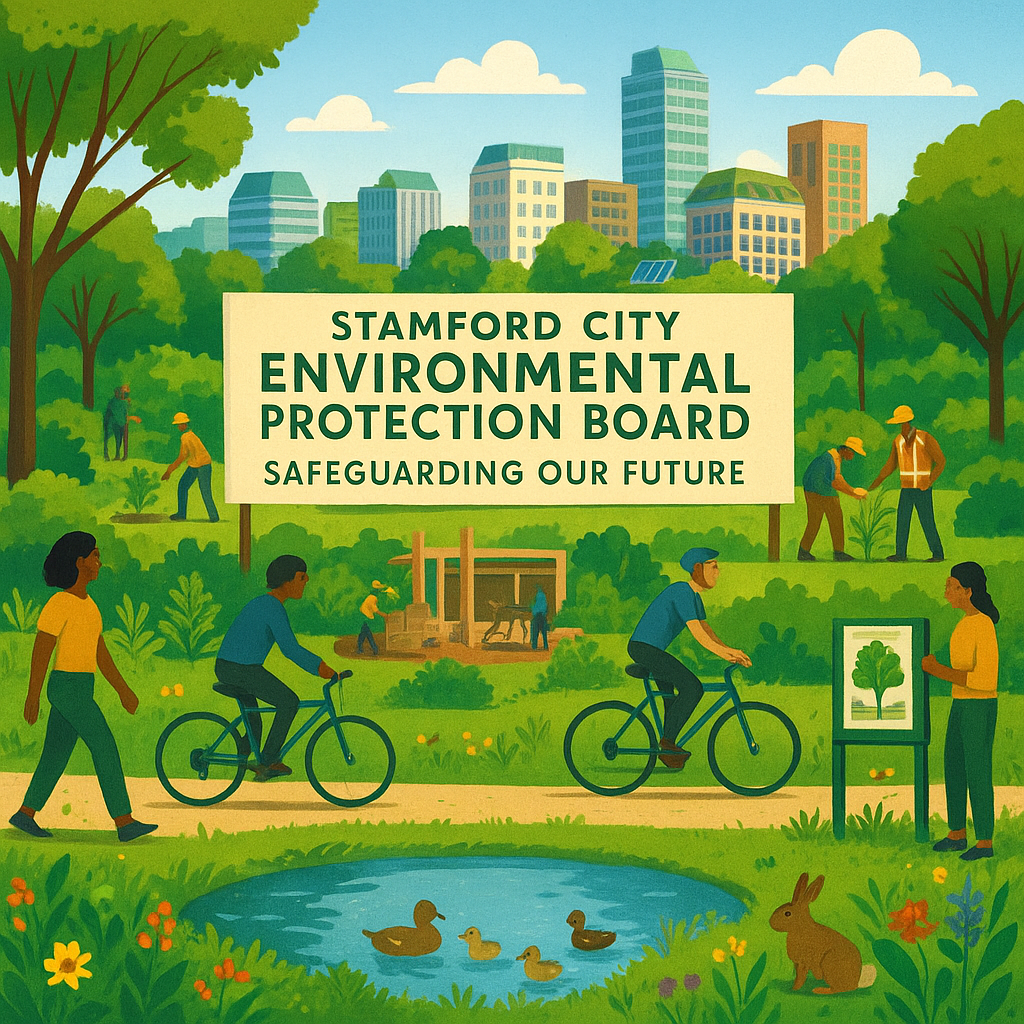
Stamford is a vibrant, growing city. With that growth comes new construction, and every site plan has the potential to affect our local ecosystems. The Environmental Protection Board of the City of Stamford isn’t just a group that meets in a dusty room. They are the stewards of Stamford’s natural resources. They review site plans to make sure developers aren’t harming wetlands, creating excessive runoff that pollutes our waterways, or wiping out critical habitats.
But reviewing a plan is one thing. Making sure that plan is actually followed is another story. For years, cities everywhere have struggled with the gap between a glossy site plan and muddy, incomplete construction. A developer might promise a lush buffer of native shrubs to filter stormwater, but when budgets get tight, that buffer might become a few scraggly bushes—or nothing at all. The Environmental Protection Board knows that a plan on paper doesn’t clean the air or water. Real, physical work on the ground does. By boosting the use of performance bonds tied specifically to environmental protections on a site plan, the board is putting teeth into its approvals.
A Safety Net for the Whole Community
Imagine a new subdivision is approved up the road. The site plan shows beautiful retention ponds designed to capture heavy rain, preventing your basement from flooding. The developer builds the houses but drags their feet on the ponds. Seasons change. A nor’easter hits. Without those ponds, the water rushes downhill. Your street floods. Without a performance bond in place, the city might have to engage in a lengthy, expensive legal battle to force the developer to act. With a performance bond, the solution is much simpler. The city can access the funds directly, fix the drainage problem immediately, and hold the developer accountable.
This isn’t just about punishing bad actors. It’s about creating a system where doing the right thing from the start is the easiest path. It protects the homeowner down the street, the fish in the stream, and the city’s budget.
How the Whole Process Plays Out
You might be curious how this works step by step. It’s a process designed for clarity and fairness. Here’s the typical path a project takes when the Stamford Environmental Protection Board requires a performance bond for a site plan:
- Approval with Conditions: The board reviews the site plan and grants approval, but with a list of specific environmental improvements the developer must complete. These are not suggestions; they are requirements.
- Costing It Out: The city’s engineers calculate exactly how much it would cost to complete those improvements if a third party had to step in. This becomes the bond amount. No guesswork, just real numbers.
- Securing the Bond: The developer obtains a performance bond for the full amount from a surety company. This document is filed with the city.
- Construction and Inspection: The developer builds the project. City inspectors, including environmental officers, visit the site periodically. They don’t just check the buildings; they check the tree plantings, the silt fences, and the wetland crossings.
- The Final Walk-Through: Once the developer believes everything is done, they request a final inspection. The city’s experts walk the site with the site plan in hand, literally checking every item off the list.
- Release or Call: If everything meets the mark, congratulations! The bond is released. If not, the developer is given a chance to fix it. If they refuse or are unable, the bond is called, and the city takes over the work.
This structured roadmap removes the ambiguity. Everyone knows the expectations from day one.
Why This Is a Big Deal for Stamford, CT
Stamford is blessed with a stunning coastline, parks, and a network of rivers that weave through the landscape. Protecting these assets isn’t just an environmental nicety; it’s an economic imperative. People want to live and work in a city that values clean water and green spaces. A performance bond requirement directly links economic development to environmental stewardship. It says, “We welcome growth, but we won’t sacrifice our natural heritage to get it.”
Think about the Long Island Sound. Everything that happens inland, on every construction site, eventually affects the Sound. Soil that erodes from an unprotected slope clogs our waterways and carries pollutants. A simple performance bond ensuring proper erosion control can prevent tons of sediment from ever reaching the Sound. That’s a direct line from a city board’s decision to your summer day at the beach.
Moreover, for responsible developers, this system is actually a benefit. It levels the playing field. A developer who prides themselves on doing quality environmental work isn’t undercut by a competitor who plans to cut corners and leave town. The bond ensures that the promises made in the winning proposal are the actions taken on the ground, creating fair competition for the builders who are doing things right.
Clearing Up Some Common Misunderstandings
Whenever you hear about bonds and insurance, it’s easy to let your eyes glaze over. Let’s tackle a couple of the most common questions head-on.
“Isn’t this just more red tape that slows down building?”
Surprisingly, no. When the rules are fuzzy, projects get stuck in arguments. When a performance bond clearly defines the finish line, projects can move forward with confidence. The developer knows exactly what is expected, and the city knows it has a financial backstop. It actually removes uncertainty, allowing construction to proceed smoothly. Delays most often happen when something goes wrong and nobody knows who will pay to fix it. The bond answers that question upfront.
“Will this bond cost push up the price of new homes?”
The cost of a performance bond is a tiny fraction of the total project budget, often less than 1%. In the grand scheme of things, this is a minor line item. Now, compare that to the potential cost if a developer fails to build a required retaining wall and a hillside collapses onto a neighboring property. The cleanup, legal fees, and property damage could be astronomical. The bond is an affordable insurance policy built into the project for the protection of everyone around it. It saves far more money than it costs in the long run.
What Can You Do as a Resident?
You might be reading this and thinking, “Okay, this sounds great, but I’m not a developer or a city planner. How does this affect me?” It affects you every time you see a new building go up and wonder if it’s going to cause drainage issues, clog your view with bare dirt, or clear-cut too many trees. The performance bond is your silent guardian.
Stay engaged with your local boards. The Stamford Environmental Protection Board holds public meetings, and many of these site plans are discussed in open forums. Your voice matters. When you understand the tools the city has, like the performance bond, you can better advocate for your own neighborhood. You can ask the simple, powerful question: “Is the developer’s performance bond sufficient to cover all the promised landscaping and drainage work?” That question tells the board that the community is paying attention and expects accountability.
A Forward-Thinking Model for Sustainable Growth
What’s happening in Stamford is part of a broader recognition that growth and environmental health are not enemies. They can coexist when you have the right frameworks in place. The performance bond is a brilliantly simple idea: you promise to do the work that protects our shared environment, and you back that promise with a financial guarantee. If you keep your word, it costs you nothing extra and you build a reputation for integrity. If you don’t, the community has the resources to fix your mess without dipping into public funds.
As Stamford continues to evolve, the decisions made today about site plan enforcement will shape the city’s landscape for decades. By making performance bonds a standard, robust requirement, the Environmental Protection Board is building a legacy. Not a legacy of paperwork, but a legacy of cleaner rivers, more resilient neighborhoods, and a city that truly values the piece of the planet it has been entrusted with. The next time you walk past a tidy construction site with its silt fence intact and its promised trees neatly planted, you’ll know there might just be a quiet, powerful promise holding it all together.