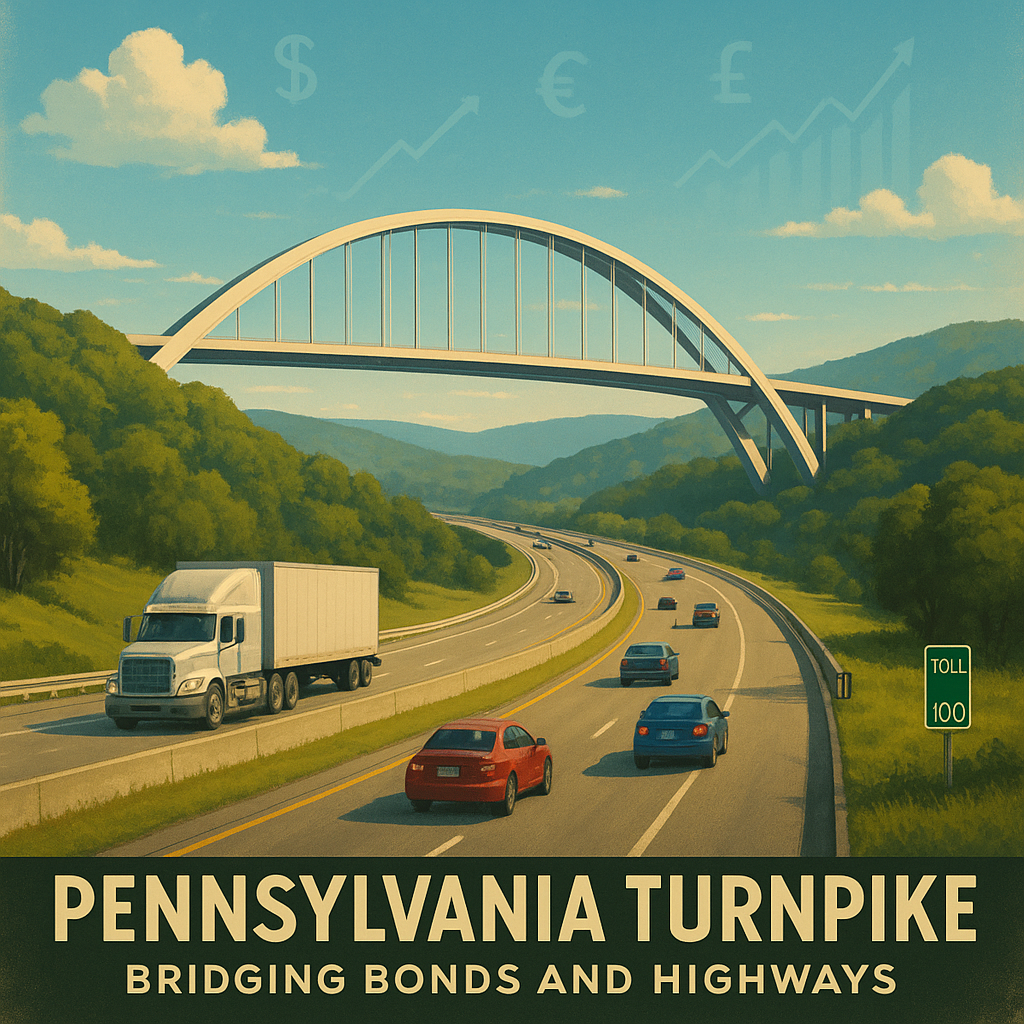
Have you ever driven across a big bridge in Pennsylvania and wondered, “How do they pay to keep this thing standing?” Well, the answer just got a little more interesting. The Pennsylvania Turnpike Commission is making a smart financial move that could shape the future of our roads and bridges. They’re expanding their credit by issuing something known as bridge toll bonds. If that sounds like a mouthful, don’t worry. We’re going to break it all down in plain, everyday language.
Think of it like this: when you need to make a major home improvement, you might take out a loan or use a home equity line of credit. The Pennsylvania Turnpike Commission is doing something similar, but on a much larger scale. They’re using the steady flow of toll money from their bridges to secure fresh funding, giving them the room to tackle big projects without waiting years for cash to pile up.
What Are Bridge Toll Bonds, Anyway?
Before we dive deeper, let’s clear up what a “bridge toll bond” actually is. In simple terms, it’s a type of investment. The Commission sells these bonds to investors. Those investors hand over a chunk of money now, and in return, they get paid back with interest over time. The key twist is that the payback money comes from the tolls collected on specific bridges. So every time a car or truck crosses a toll bridge, a tiny part of that fee eventually helps repay the bondholders.
You can think of a bridge toll bond like a promise backed by a very predictable source of income: you and everyone else who pays to cross those bridges. Because people use these bridges day after day to get to work, run errands, or travel, the revenue stream is generally dependable. That dependability makes these bonds appealing to cautious investors like pension funds and insurance companies.
Why the Pennsylvania Turnpike Commission Needs to Extend Credit
The Turnpike Commission looks after a massive network. It’s not just the long ribbon of the Pennsylvania Turnpike itself. The Commission also manages an extensive system of toll bridges across the state. Many of these structures are decades old, and some are well over half a century. Nature, heavy traffic, and tough winters put constant wear and tear on concrete, steel, and asphalt. Maintaining them is an endless, expensive job.
By extending their credit with bridge toll bonds, the Commission is basically saying, “Let’s plan ahead and lock in affordable funding.” When you have a strong credit line, you can act faster when a bridge needs urgent repairs or when an upgrade can prevent future problems. Instead of scrambling to find funds during an emergency, they have the financial breathing room to do the work on their terms.
This move is a bit like a family refinancing their mortgage to free up cash for a new roof or a modern heating system. The Commission is leveraging the value of its existing assets to protect and improve them.
How Does This Expansion of Credit Actually Work?
The Pennsylvania Turnpike Commission doesn’t just print money. They go through a rigorous process. First, financial experts analyze how much toll revenue the bridges are projected to generate over many years. Based on that forecast, the Commission can issue bonds up to a certain amount while still comfortably covering the interest payments. The “extension of credit” part means they are increasing their overall capacity to borrow responsibly.
Once issued, these bonds hit the open market. Investors buy them because they offer a relatively safe place to park money with a steady return. The funds raised go into a dedicated pot, often earmarked for specific capital projects. Those projects might include:
- Replacing cracked bridge decks
- Reinforcing rusted support beams
- Upgrading tolling technology to keep traffic moving
- Improving safety features like lighting and guardrails
What makes bridge toll bonds distinct from general Turnpike bonds is that they are tied directly to bridge revenue. This separation can actually make them more secure in the eyes of investors, because they can track exactly where the money is coming from.
A Closer Look at the “Bridge” in Bridge Toll Bonds
When we talk about these bonds, we’re not referring to just any road. The Commission operates several major toll bridges that cross vital waterways like the Delaware River, the Susquehanna River, and the Allegheny River. Each one is a critical artery. If one of those bridges had to undergo an unexpected months-long closure, it wouldn’t just be an inconvenience; it would disrupt local economies and daily life. The funding secured through these bonds helps prevent such worst-case scenarios.
What’s in It for You, the Driver?
It’s easy to hear the words “toll bonds” and assume your next trip is going to cost more. But the story isn’t that simple. While tolls do fund these bonds, the goal is actually long-term stability. By maintaining bridges proactively, the Commission can often avoid staggering emergency repair bills that might trigger steeper, more sudden toll increases later on.
Imagine driving across a bridge that hasn’t been fixed in years. Potholes rattle your car. Rust peeks through old paint. Eventually, something major fails, and the bridge needs an emergency closure for an entire season. Trucking companies reroute, deliveries slow down, and costs ripple through the economy. That’s the expensive path. The smarter path is steady, planned maintenance funded through instruments like bridge toll bonds. You get a smoother, safer ride, and financial surprises are kept to a minimum.
Keeping Pennsylvania Moving
Infrastructure is the invisible backbone of our everyday life. The cup of coffee you drink in the morning likely arrived on a truck that crossed a toll bridge. The package you ordered online traveled across several. The job you commute to may depend on a reliable crossing. When the Pennsylvania Turnpike Commission expands its credit to support these structures, the benefits quietly spread across the entire state.
These bonds also let the Commission take advantage of historically favorable interest rates or strong market demand. Timing matters. By acting when the financial climate is right, they can borrow at lower costs and pass those savings on in the form of more efficient projects. It’s essentially comparing it to shopping for a mortgage: locking in a low rate saves you a fortune over the life of the loan.
Addressing the Elephant in the Room: Debt
No conversation about bonds is complete without talking about debt. It’s natural to wonder, “Aren’t we just piling on more debt?” That’s a fair question. The answer lies in how the money is used. Good debt builds lasting value. When a family borrows to buy a home, they get a place to live for decades. When the Turnpike Commission issues bonds to replace a bridge, we get a safe, functioning transportation link that can serve the public for half a century or more.
The Commission operates under strict financial oversight. They have limited debt capacity, meaning they cannot borrow endlessly. Every bond issuance is scrutinized by rating agencies like Moody’s and Standard & Poor’s. A strong credit rating allows them to borrow cheaply; mismanagement would lead to a downgrade. So far, the Commission has maintained a solid standing by carefully balancing revenue and debt.
How Do Rating Agencies See This?
When the Turnpike Commission extends its credit, rating agencies review traffic patterns, toll rates, and economic forecasts. They ask: Will enough cars cross this bridge ten years from now? The answer is usually yes. Pennsylvania’s strategic location as a freight corridor makes these bridges essential. This consistent performance helps the bonds receive solid investment-grade ratings, which in turn means lower borrowing costs. That’s a win for taxpayers and toll payers alike.
The Bigger Picture: Innovation in Infrastructure Funding
Across the country, states are getting creative with how they pay for roads and bridges. The old model of relying solely on gas taxes is becoming less effective, especially as cars become more fuel-efficient. Pennsylvania is adapting. By tapping into the value of its existing toll infrastructure, the Turnpike Commission is embracing a modern approach.
Bridge toll bonds are a perfect example of this shift. They reward the Commission for having a mature, heavily utilized bridge network. The better the system performs and the more people use it, the more financial tools become available. It’s a self-reinforcing cycle: invest in quality, attract more usage, generate steady revenue, and then reinvest again.
Is There Any Risk You Should Know About?
We always want to give you the honest picture. While these bonds are generally safe, no investment is entirely risk-free. If traffic volumes were to drop significantly over a long period—say due to a severe, prolonged recession or a massive shift to remote work—toll revenues could suffer. The Commission plans for this by building a cushion into their financial models. They don’t borrow right up to the absolute limit. But it’s still worth acknowledging that major economic disruptions can ripple through even the most stable systems.
Another factor is maintenance creep. If the Commission were to postpone needed repairs to save money in the short term, bridges could deteriorate, perhaps discouraging use and creating a negative feedback loop. Fortunately, the very existence of these bonds with their mandated project lists encourages discipline. The money is there for a purpose, and investors expect it to be spent wisely.
What’s Next for the Pennsylvania Turnpike Commission?
The expansion of credit through bridge toll bonds is not a one-off event. It’s part of a long-range strategic plan. In the coming years, you’ll likely see several major bridge rehabilitation projects move forward, many funded in part by these financial tools. You might also notice more electronic tolling taking over old-fashioned cash booths. That modernization speeds up traffic and reduces collection costs, indirectly supporting the revenue stream that backs the bonds.
The Commission continuously monitors which bridges need the most attention. Using advanced sensors and regular inspections, they can prioritize projects. This data-driven approach helps decide where each dollar of bond money should go first. So when you see construction crews out on a toll bridge, there’s a decent chance you’re looking at the result of this kind of smart financial planning.
How Can You Stay Informed?
Transparency is a big deal for public agencies. The Pennsylvania Turnpike Commission regularly publishes project updates, financial reports, and traffic studies on their website. They also hold public meetings for major undertakings. If you’re a regular commuter who depends on these bridges, it’s worth keeping an eye on what’s happening. A brief visit to their website can tell you if your daily route is due for an upgrade—and how it’s being financed.
You can also sign up for travel alerts. While not directly related to the bonds, these alerts are a practical way to see your toll dollars at work. Every lane closure for a planned resurfacing project is a sign that the system is being looked after, not just ignored.
Wrapping It All Up
The Pennsylvania Turnpike Commission’s decision to expand credit with bridge toll bonds might sound like dry financial news, but it touches something we all care about: safe, reliable, and well-maintained bridges. By using future toll collections as a foundation, they’re bringing money into the present to stop problems before they start.
Next time you hear a radio ad or see a sign about bridge work, remember the behind-the-scenes mechanism that made it possible. It’s a partnership between the Commission, investors, and everyday drivers. Together, we’re all helping keep Pennsylvania connected, one crossing at a time.