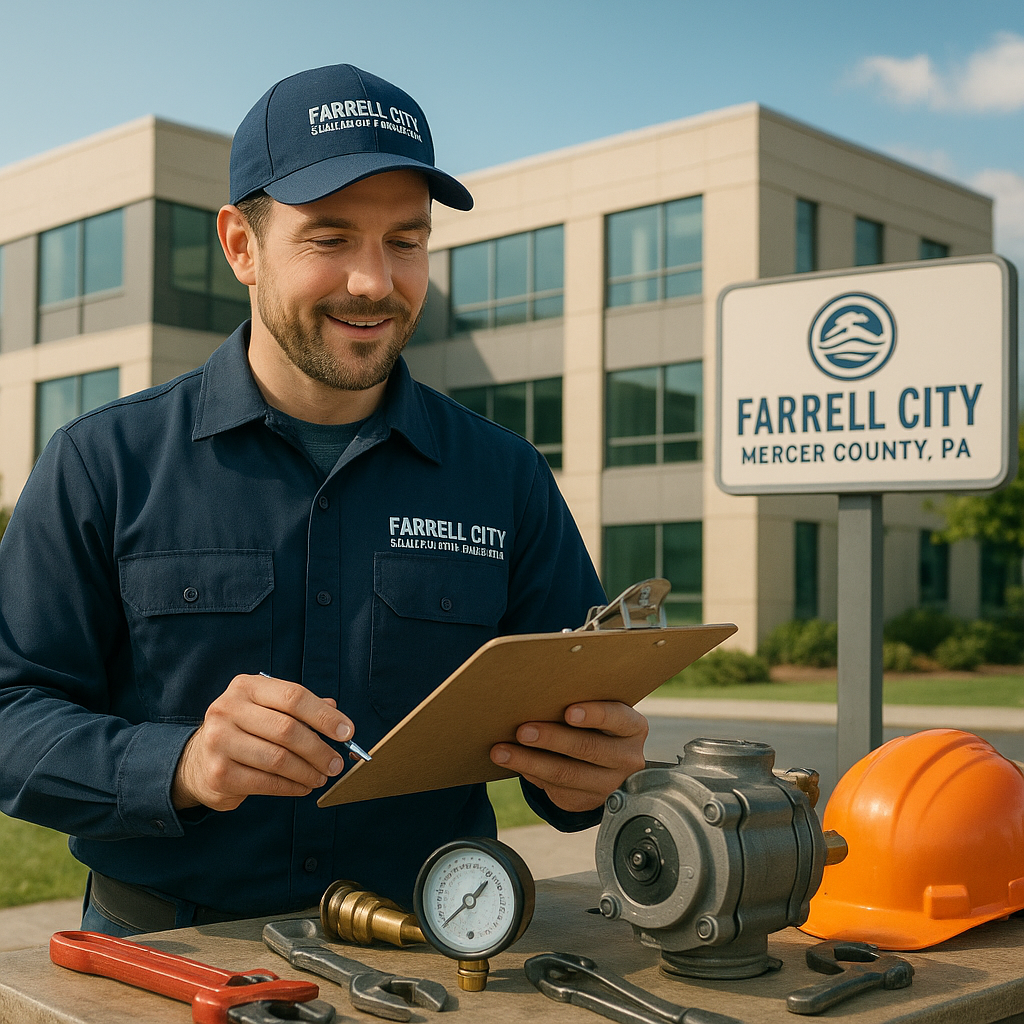
If you’re a plumber or heating contractor looking to work in Farrell City, you’ve probably bumped into the term “Plumbing and Heating Bond.” It sounds official—and it is. But don’t let the jargon scare you. Think of it as a promise you make to the city and your customers: a promise that you’ll follow the rules, do the job right, and stand behind your work. In Mercer County, Pennsylvania, this bond is a key piece of staying compliant and keeping your business running smoothly.
What Exactly Is a Farrell City Plumbing and Heating Bond?
A plumbing and heating contractor bond is a three-party agreement. You, the contractor, are the principal. The City of Farrell is the obligee—the one requiring the bond. And the surety company is the third party that backs your promise financially. If you break the rules, the bond can pay out, but you’re ultimately responsible for every penny. So, it’s not insurance for you; it’s a safety net for the public and the city.
Farrell City calls this a “Compliance Only” bond. That means the bond guarantees you’ll comply with all local ordinances, building codes, and regulations that govern plumbing and heating work. It doesn’t cover your tools, your vehicle, or a slip on a wet floor. It’s laser-focused on keeping your business practices honest and code-compliant.
Why Does Farrell City Require This Bond?
Short answer: to protect everyone except you. The city wants to make sure residents get safe, professional work. If a contractor cuts corners, leaves pipes leaking inside walls, or installs a furnace that becomes a carbon monoxide hazard, the damage can be enormous. The bond gives homeowners a way to seek financial help without having to chase down a vanished contractor for years.
For the city itself, the bond is a quick enforcement tool. Instead of lengthy court battles, the bonding process can resolve issues faster. Think of it as a badge of trust—Farrell City is saying, “We’ve vetted you enough to know you’re serious, and now you’ve put your money where your mouth is.”
Who Needs a Plumbing and Heating Bond in Farrell?
Pretty much any plumbing or heating contractor doing business within Farrell City limits needs this bond. That includes master plumbers, journeymen working on their own, HVAC contractors who handle gas lines, and companies that install or repair boilers, water heaters, and piping systems. If you’re pulling a permit for work in Farrell, the city will almost certainly ask for your bond certificate before they hand it over. Even if you’re a one-person show running out of a van, the requirement doesn’t change.
Subcontractors should double-check, too. Sometimes the general contractor might already have a bond, but that doesn’t automatically cover your specific trade. It’s safer to call Farrell’s code enforcement or building department and ask directly, “Do I need my own plumbing and heating compliance bond?” A quick five-minute call can save you a massive headache later.
How Does the Bond Protect Homeowners and Businesses?
Imagine you hire a contractor to replace your hot water tank. The job looks fine for a week, then you notice a soggy ceiling below. The tank wasn’t installed to code, and a slow leak has ruined drywall and a section of hardwood floor. You call the contractor, and suddenly the phone number is disconnected. Without the bond, you’re stuck paying for repairs out of pocket. With the bond in place, you can file a claim against it. The surety investigates, and if your claim is valid, you get compensated for the damages—up to the bond amount.
This same protection applies to commercial properties, landlords, and even the city when public buildings need work. Knowing that recourse exists makes the entire local market healthier. People are more willing to hire licensed contractors because there’s a real safety net underneath every transaction.
How Much Does a Farrell City Plumbing Bond Cost?
Here’s some good news: you don’t have to pay the full bond amount out of your own pocket. The city sets the required bond amount—often between $5,000 and $10,000, though you’ll need to confirm the exact figure. What you actually pay is a small percentage of that total, called the bond premium. For most contractors with decent credit, that premium lands somewhere in the range of 1% to 5% of the bond amount.
Let’s put that into real numbers. If Farrell requires a $10,000 bond and your premium rate is 2%, you’ll pay just $200 for a year of coverage. Credit history, business experience, and personal financials influence your rate. Someone with stellar credit might see premiums as low as $100, while a contractor rebuilding their credit might pay $500 or more. The point is, it’s an affordable line item in your annual business budget, not a bank-breaking expense.
What Factors Influence Your Bond Premium?
Surety companies look at a few key things when pricing your bond. Your personal credit score is the biggest factor. They’ll also consider how long you’ve been in business, any past claims on this type of bond, and the overall health of your financial statements. Don’t worry if you’re new—many sureties offer programs for startups. You may just pay a slightly higher rate for the first year or two until you build a track record.
Is This the Same as Insurance?
Not at all, and confusing the two can cost you. General liability insurance protects you if something goes wrong—like a ladder falling on a client’s car. The bond protects the city and the consumer. If a claim gets paid on your bond, you are legally obligated to repay the surety company every dollar. Insurance, on the other hand, doesn’t come looking for repayment after a covered loss. So, consider the bond a line of credit you’re extending to the public, not a shield for your own mistakes.
How to Get Your Farrell City Plumbing and Heating Bond
Getting bonded is faster and easier than you might think. Most contractors can complete the process in a single business day.
Start by checking Farrell’s exact bond form and amount. The city clerk or building department’s website usually has this information, or you can call them. Once you know the required amount, you reach out to a surety bond agency. Many agencies specialize in contractor bonds and can walk you through the whole thing online.
You’ll fill out a brief application that covers your business name, personal information, and social security number for a credit check. In most cases, you’ll get a quote within minutes. After you pay the premium, the surety issues the bond. The original document goes to the city, and you get a copy for your records. Some agencies even file it directly with Farrell City on your behalf.
Can You Get Bonded with Less-Than-Perfect Credit?
Yes, absolutely. While excellent credit gets you the lowest rates, many sureties have programs for contractors with challenged credit. You might be asked to provide additional documentation, like business bank statements or a letter of recommendation from a previous client, but it’s very rare to be completely turned down. The key is to work with an agency that has access to multiple surety markets, not just one. That way, they can match you with a company that’s comfortable with your financial profile.
What Happens If a Claim Is Filed Against You?
A claim can feel like a punch to the gut, but understanding the process helps you stay level-headed. First, don’t panic. The surety company will investigate thoroughly. They’ll look at the complaint, review city codes, and talk to all parties involved. Many claims are resolved before any money moves. Sometimes a simple call to fix a small error can make the homeowner withdraw the claim.
If the claim is found to be valid, the surety will pay the damaged party up to the bond limit. Then, they’ll come to you for reimbursement. You signed a document promising to indemnify the surety, which means you have to pay them back every cent they spent plus any associated legal fees. That’s why doing the job right the first time isn’t just good business—it’s essential for your financial survival.
Keeping Your Bond Active Year After Year
A plumbing and heating bond isn’t a one-and-done thing. It typically renews annually. Your surety will send you a renewal notice, but put the date on your own calendar too, because even a one-day lapse can cause problems. If Farrell City checks and your bond isn’t active, they can pull your permits or suspend your ability to work until you’re compliant again. That missed income can be far more costly than the premium itself.
Treat your bond like you treat your driver’s license—always current, always on hand. When you renew, take a moment to check if the bond amount has changed. Cities occasionally update their requirements, and you don’t want to get caught with an outdated bond that no longer satisfies the ordinance.
Why This Bond Is Actually a Good Thing for Your Business
Maybe you see the bond as just another hoop to jump through. But used wisely, it becomes a marketing tool. When a homeowner sees that you’re bonded, it tells them you’re legitimate, professional, and accountable. In a world where unlicensed handymen can undercut your prices, the bond sets you apart. You can say, “Yes, I charge a little more, but my work is guaranteed by a surety bond required by Farrell City—can the other guy say that?”
Also, being bonded often boosts your reputation with suppliers and subcontractors. They know you take your obligations seriously. Over time, that trust can lead to better payment terms and smoother project coordination.
Common Questions from Contractors Like You
Do I need a separate bond for Farrell if I already have a state license?
Usually, yes. A state license bond and a city-mandated bond are different things. Farrell City writes its own rules, and they almost always want their own bond on file. Don’t assume one covers the other—always verify with local officials.
How long does the bond remain valid?
Most bonds run for one year from the effective date. You’ll need to renew it before it expires. Some sureties offer multi-year options that lock in the rate, but yearly renewals are the norm.
What if I only work in Farrell a few times a year?
The bond requirement usually doesn’t care about frequency. If you do any regulated work within the city, you need the bond before you start. Even a small, one-day repair job can trigger the requirement if a permit is involved.
Can the city change the bond amount after I’m already bonded?
Yes, and they sometimes do. If the ordinance changes, you’ll need to adjust your bond accordingly. Keeping in touch with the building department or joining a local trade association can help you stay ahead of those changes.
Quick Steps to Becoming Bonded Today
- Contact Farrell City to confirm the exact bond amount and form needed.
- Gather your business information, including tax ID and any license numbers.
- Reach out to a surety bond agency—many have simple online applications.
- Receive your quote, pay the premium, and get your bond certificate.
- File the original bond with the city and keep a copy for your records.
Wrapping It All Up
The Farrell City Plumbing and Heating Bond might feel like a bureaucratic box to check, but it’s much more than that. It’s the foundation of trust between you, your customers, and the community you serve. The cost is modest, the application is simple, and the benefits—protection for the public, a competitive edge for you—are real. Whether you’re a seasoned contractor expanding into Mercer County or a fresh face just launching your business, getting your compliance bond is the first step toward building a reputation that lasts. So go ahead, make that call, get your bond, and start working with confidence.