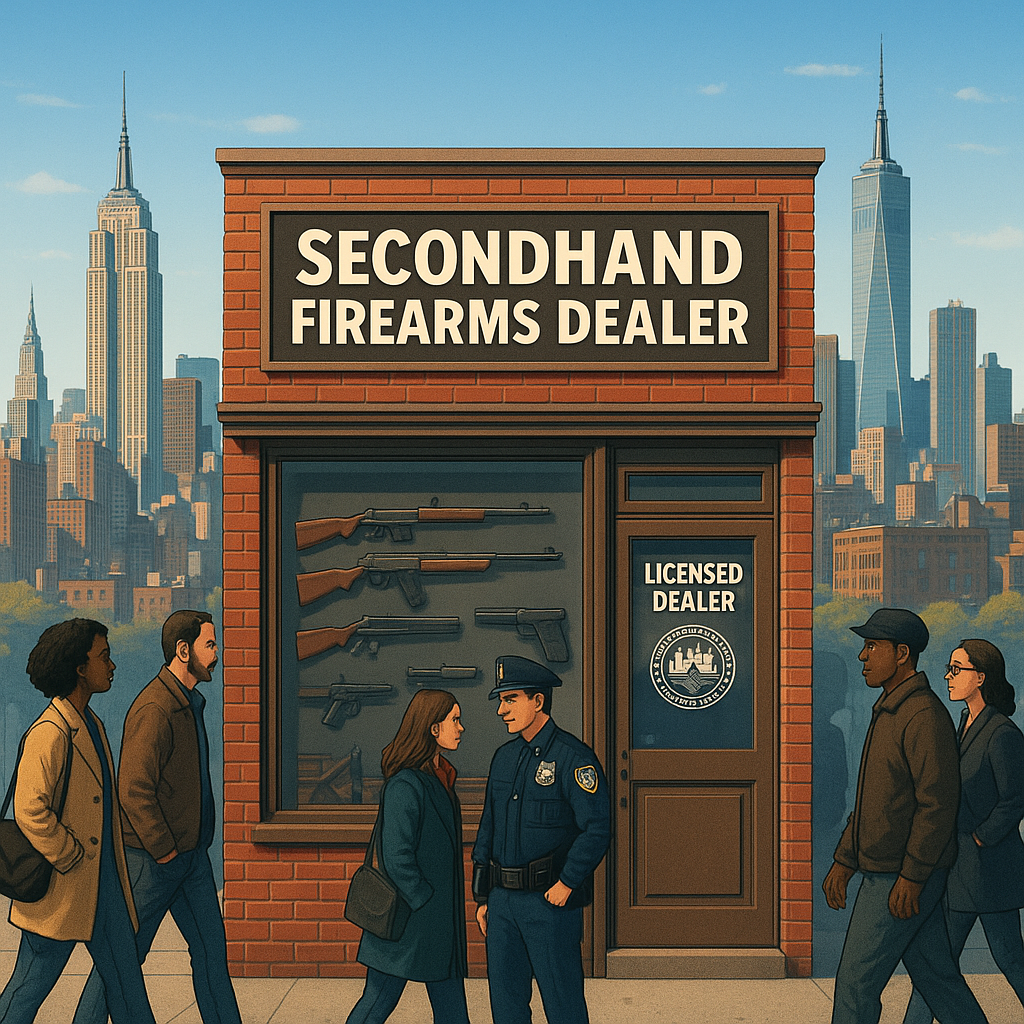
Thinking about buying, selling, or trading used guns in New York City? Whether you’re a seasoned pawnbroker, a firearm collector looking to turn a profit, or a small business owner expanding into the secondhand market, there’s one piece of the puzzle you absolutely can’t overlook: the NYC Second Hand Dealer-Firearms Bond. It’s not just another box to tick on a form—it’s your city hall handshake, your promise to play by the rules.
In a city that never sleeps, regulations are constantly evolving. But in 2023, the requirements from the NYC Department of Consumer and Worker Protection (DCWP)—formerly known as the Department of Consumer Affairs—remain crystal clear. Let’s break down what this bond is, why it exists, and how you can secure yours without pulling your hair out.
What Exactly Is a Secondhand Dealer-Firearms Bond?
Picture this bond as a financial safety net. It’s a three-party agreement between you (the dealer), the DCWP (the obligee), and a surety company (the financial backer). If you accidentally—or intentionally—break the rules, the bond kicks in to protect the public and the city from financial loss. But here’s the kicker: unlike insurance, if a claim is paid out, you have to reimburse the surety company for every cent. So think of it as a credit line that keeps you accountable.
Specifically, this bond falls under New York City Administrative Code, Title 20, Subchapter 11. It’s required for any business that deals in secondhand firearms. That means buying used guns from individuals, selling them, or even just taking them in trade. If a firearm has had a previous owner, the DCWP wants to know you’re on the up-and-up.
Why Does NYC Require This Bond?
Let’s be real: firearms are a sensitive topic, and for good reason. New York City has some of the strictest gun laws in the country. When you add the “secondhand” element—items without a fresh paper trail from a manufacturer—the risk of stolen property, illegal modifications, or sales to prohibited persons goes up.
The bond serves three big purposes:
- Consumer protection: If you sell a defective firearm or misrepresent its history, a harmed buyer can file a claim.
- Law compliance: It ensures you follow all local, state, and federal regulations for firearm transactions. Slip up on record-keeping? The city can claim against the bond.
- Financial recourse: The bond guarantees that if you’re fined for violations, the city isn’t stuck chasing a bankrupt business. The money is there, up to the bond amount.
In short, the NYC Second Hand Dealer-Firearms Bond puts teeth behind the regulations. It’s not just paperwork—it’s a financial pledge that you’ll operate ethically.
Who Needs This Bond? (It Might Be You)
You’d be surprised how broad the definition of a “secondhand dealer” is. You likely need this bond if you:
- Run a pawnshop that accepts firearms as collateral or buys them outright.
- Own a gun shop that takes trades or buys collections from estates.
- Operate an online business based in NYC that deals in pre-owned firearms, even if most sales happen at gun shows or through websites.
- Are a private individual who buys and sells firearms with enough frequency to be considered a business—yes, hobbyists can cross that line.
Not sure? Ask yourself: Am I buying a used firearm with the intention to resell it? If yes, the DCWP almost certainly expects you to hold a Secondhand Dealer license, and that license won’t be issued without the bond.
How Much Does the Bond Cost? Let’s Talk Numbers
Here’s where a lot of folks breathe a sigh of relief. The required bond amount is set by the city, typically $10,000 for general secondhand dealers. However, the DCWP may adjust this based on business volume, and for firearms specifically, the bond amount might be higher due to the elevated risk. Always verify the exact amount on your license application or by calling the DCWP directly.
Now, you don’t pay the full $10,000 up front. You pay a premium, which is a small percentage of that total. For most applicants with decent credit, the annual premium ranges from $100 to $500. Factors that influence your rate:
- Personal and business credit history
- Years of experience in the firearm industry
- Any past claims or regulatory violations
- The financial stability of your business
Think of it like renting an apartment: you don’t buy the building; you just pay a security deposit. The bond premium is your security deposit for doing business legally.
The Application Process: From Zero to Bonded
Ready to get started? Don’t worry, the process is faster than a New York minute—well, almost.
Step 1: Confirm Your License Requirements
Before you chase down a bond, make sure your business is properly registered with the state and that you have a DCWP Secondhand Dealer license application in hand. You can download the forms from the city’s website or pick them up at the DCWP Licensing Center. The license category will specify the bond you need.
Step 2: Get a Surety Bond Quote
You can go directly to a surety company or work with a bond agency that specializes in license bonds. Provide your details and the required bond amount. The agency will run a quick check and give you a firm premium quote. No obligation, and it usually takes just a few hours.
Step 3: Pay the Premium and Receive Your Bond
Once you accept the quote and pay the premium, the surety issues the bond. You’ll get a signed, sealed bond form. Keep the original—the DCWP wants the real deal, not a photocopy.
Step 4: File the Bond with Your License Application
Submit the bond alongside the rest of your licensing paperwork. The bond must be effective on the date of issuance, and it usually needs to run concurrently with your license term. Don’t cut it too close—give yourself at least a week before your application appointment.
Keeping Your Bond Active: Renewals and Pitfalls
Congratulations, you’re bonded and licensed! But the journey doesn’t end there. The bond typically needs to be renewed annually. The surety will send you a renewal notice, but it’s your responsibility to make sure there’s no gap in coverage. If your bond lapses, the DCWP can suspend your license faster than a subway door closes.
What can get you in trouble? Common violations that trigger bond claims include:
- Failing to keep a detailed “book” of all secondhand firearm acquisitions, including serial numbers and seller identification.
- Not holding a firearm for the required waiting period before reselling (often 15 days, to allow for police holds).
- Accidentally buying a stolen gun and selling it before law enforcement can intervene.
- Neglecting to verify a buyer’s background check through NICS.
Every transaction matters. A single oversight could not only cost you a claim against your bond but also result in criminal charges. Always train your staff thoroughly and keep impeccable records.
Fun Analogy Time: The Bond Is Your Business’s Seatbelt
You buckle up when you drive, not because you plan to crash, but because it’s the responsible thing to do. The secondhand firearms bond works the same way. You don’t expect to violate any laws, but if something goes sideways—an employee makes a mistake, a seller tricks you—the bond protects everyone involved. It’s a cushion that keeps your business from getting totaled by a single incident.
Frequently Asked Questions (Because You’re Probably Thinking These)
Can I use cash from my bond to buy inventory?
No, it’s not a bank account. The bond only pays out if you’re found guilty of a violation. Think of it as a guarantee, not a line of credit.
What if I have bad credit?
You can still get bonded! While the premium might be higher, some sureties offer programs for less-than-perfect credit. You might pay $800 instead of $200, but it’s still attainable. Don’t give up before checking.
Is this the same as an FFL bond?
No. A Federal Firearms License (FFL) is regulated by the ATF and may require its own federal compliance. The NYC bond is a separate, local requirement. You need both if you’re a dealer.
Does the bond cover my store inventory or property?
Not at all. This is not business insurance. To protect your firearms, cash, and premises from theft, fire, or damage, you’ll need a separate commercial policy. The bond only covers regulatory fines and consumer losses due to your actions.
Wrapping Up: Secure Your Bond, Secure Your Business
Navigating the maze of NYC’s secondhand firearm regulations can feel overwhelming, but the bond is a straightforward requirement once you understand it. It’s your visible token of trustworthiness to the city, your customers, and the community. In 2023, with public scrutiny around gun safety at an all-time high, there’s no better time to show you’re doing things the right way.
So, are you ready to take the next step? Check your license application, jot down the required bond amount, and reach out to a trusted surety bond professional. In just a few days, you can have that bond in hand—your ticket to a legitimate, thriving business in the heart of the Big Apple.