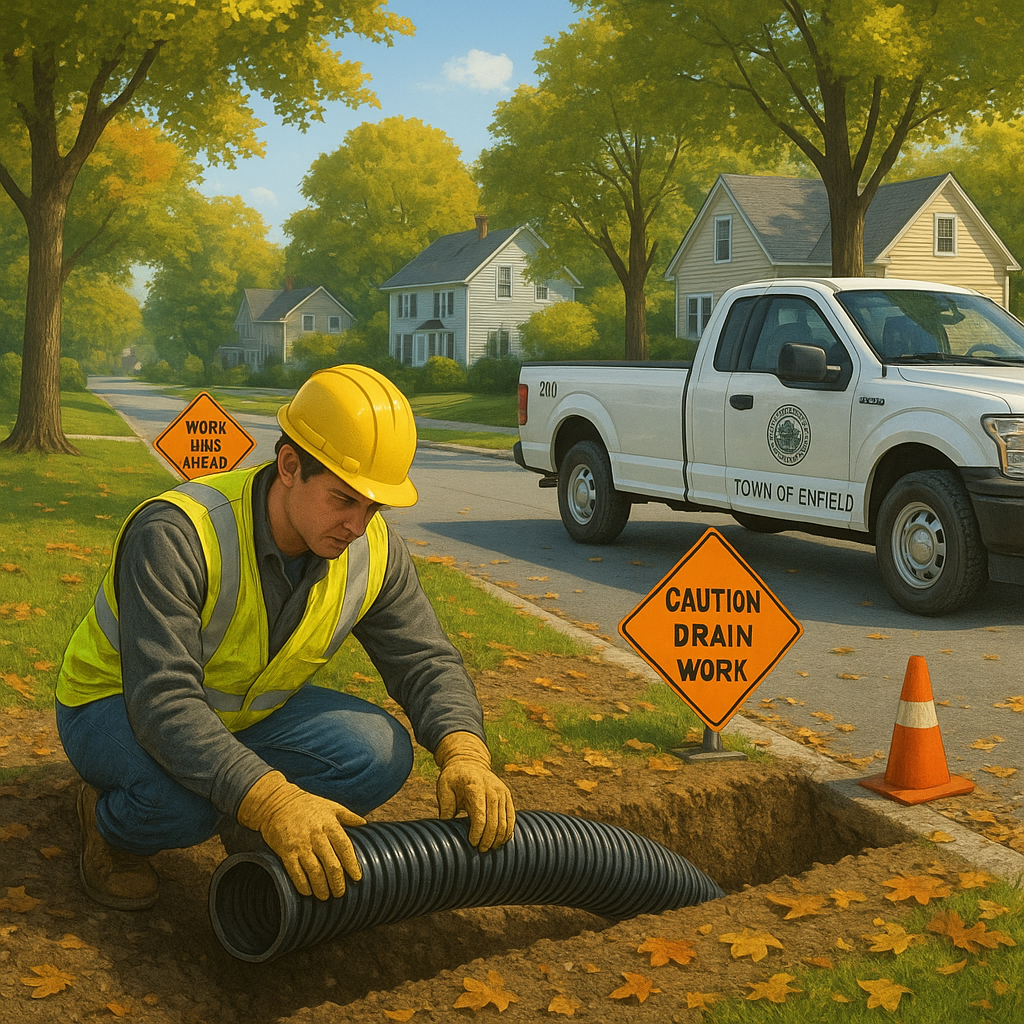
Picture this: you’re a drain layer in Enfield, Connecticut, and you’ve just landed a job that involves opening up a section of sidewalk or roadway to install a new drainage line. You have the skills, the crew, and the equipment. But before you break ground in the town’s right-of-way, there’s one piece of paper you absolutely need—a drain layer’s bond. It might sound like just another bureaucratic hoop, but it’s actually the key that unlocks the project and keeps everyone protected. Let’s pull back the curtain on what this bond is, why Enfield requires it, and how you can get one without the headache.
What Exactly Is an Enfield CT Drain Layer’s Bond?
At its heart, a drain layer’s bond is a three‑way promise. Think of it like a safety deposit you put down to rent an apartment, but instead of a landlord holding your cash, a surety company backs you with a financial guarantee. The three parties involved are:
- The Principal: That’s you, the drain layer or contracting business.
- The Obligee: The Town of Enfield, Connecticut. They’re the ones requiring the bond.
- The Surety: The insurance company that issues the bond and vouches for your work.
If you follow all the town’s rules—things like properly restoring the excavation site, avoiding damage to existing utilities, and meeting safety standards—the bond just sits there quietly. But if something goes wrong and the town has to step in to fix it, the bond can be used to cover the costs. It’s not insurance for you; it’s a financial safety net for the community.
Why Enfield Insists on a Bond for Right‑of‑Way Work
Have you ever walked down a street where a trench was poorly patched, leaving a bumpy, sinking mess? That’s exactly what a municipal bond aims to prevent. When you dig in the public right‑of‑way—the strip of land that includes sidewalks, curbs, road shoulders, and often the space beneath the street—you’re borrowing a shared space that belongs to everyone in Enfield.
The town’s engineering department issues right‑of‑way permits to make sure the work is done safely and that everything is put back the way it was, or better. The bond is the town’s enforcement tool. It says, “We trust you to do the job right, but if you don’t, we have a way to make it right without dipping into taxpayer money.” It’s really about accountability. A simple oversight like forgetting to compact the backfill properly could lead to a sinkhole months later, and the town needs a way to address that quickly.
A Real-World Example
Imagine you install a catch basin and drain line for a new driveway off a busy Enfield road. The asphalt patch you lay settles unevenly over the winter, creating a tripping hazard. The town receives complaints. They contact you to fix it, but for some reason, you’re unable or out of business. Without a bond, the town would have to pay a different contractor out of its own budget. With a bond in place, the town can file a claim and get the funds to repair the patch seamlessly. Your bond just saved the town’s wallet and kept the neighborhood safe.
Who Needs to Hold This Bond?
Not every contractor working in Enfield will need a drain layer’s bond. The requirement generally kicks in when your work involves excavating or installing drainage infrastructure within the town’s right‑of‑way. This could include:
- Installing or repairing stormwater pipes, culverts, or catch basins.
- Connecting residential or commercial drain lines to public systems where the work crosses the sidewalk or road.
- Any project that requires you to cut into a public street, curb, or sidewalk for drainage purposes.
If you’re only doing work on private property that doesn’t touch the public way, you typically won’t need this bond. But the moment your shovel crosses the property line into the town’s land, the rules change. Always double‑check with Enfield’s Public Works or Engineering Department before you start a job. They’ll tell you exactly which bond amount and form you need.
How Does the Bond Process Actually Work?
Getting bonded isn’t as complicated as it might seem. Let’s walk through the journey so you know what to expect.
Step 1: Determine the required bond amount. The Town of Enfield sets the bond limit, often based on the scope of work. While amounts can vary, a typical drain layer bond in many Connecticut municipalities is set at $10,000. Always confirm with the town, because an incorrect amount means your permit won’t be approved.
Step 2: Apply with a surety bond provider. You’ll fill out a short application that asks about your business and personal credit history. The surety company uses this to gauge risk—similar to when you apply for a loan.
Step 3: Pay the premium. You won’t need to put up the full $10,000. Instead, you’ll pay a small percentage, usually between 1% and 3% for applicants with good credit. So your out‑of‑pocket cost might be as little as $100 to $300 a year. That’s a fraction of the bond amount, yet it unlocks the right to work in the town’s right‑of‑way.
Step 4: Receive your bond form and file it with Enfield. The surety will issue the official bond document. You’ll submit this along with your permit application and any other required paperwork. The town keeps the original bond on file, often for the duration of your permit or license period.
And that’s it. Once the bond is accepted, you’re cleared to dig—provided all other permits are in order, of course.
What Does a Drain Layer’s Bond Cost in Enfield, CT?
This is the question almost everyone asks first. As we touched on earlier, the cost is driven by the bond amount and your personal credit score. For a typical $10,000 bond needed in Enfield:
- Excellent credit (700 and above): Premiums can be as low as $100 per year.
- Average credit (around 650): You might pay $200 to $300 annually.
- Challenged credit: Rates can go higher, sometimes up to 5% or more of the bond amount. Even then, specialized surety markets can often help you get bonded.
If you’re a new business or have had credit hiccups, don’t panic. Many agents work with programs designed specifically for contractors who need a second chance. Just be prepared to share a little more information about your experience and financials. The key is to start the process early, not the day before your project begins.
What Happens If You Skip the Bond?
Skipping the bond might feel like saving a few bucks upfront, but the consequences can shut you down fast. Without a valid bond on file, the Town of Enfield will not issue your right‑of‑way permit. Working without that permit can lead to:
- Stop‑work orders that stall your job mid‑excavation.
- Hefty fines that far exceed the cost of the bond premium.
- Damage to your reputation with local building officials and homeowners, making it harder to get future work.
- Legal liability if your unpermitted work causes property damage or injury, with no bond backing to cushion the fallout.
In short, it’s just not worth the risk. Securing your Enfield drain layer’s bond is a simple, cost‑effective way to show you’re a professional who plays by the rules.
Common Misconceptions About the Bond (Let’s Clear the Air)
Because bonds and insurance often get lumped together, some confusion creeps in. Here are a few myths worth busting:
Misconception #1: “The bond protects my business.”
Nope. A drain layer’s bond protects the Town of Enfield—and by extension, the public. If a claim is paid out, you, the contractor, are ultimately responsible for reimbursing the surety company. Think of it as a line of credit, not an insurance policy.
Misconception #2: “It’s the same as general liability insurance.”
They serve different purposes. Liability insurance covers you if you accidentally damage someone’s property or cause injury. The bond specifically guarantees that you will comply with town ordinances and properly restore the right‑of‑way. You’ll likely need both to be fully covered.
Misconception #3: “Once I have a bond, I’m set forever.”
Most bonds are written for a specific term, often one year, and must be renewed. Additionally, the town updates its requirements from time to time. Always keep an eye on your bond’s expiration date and any changes in local regulations.
Tips for Staying Compliant and Avoiding Bond Claims
A bond claim is something everyone wants to avoid. Not only do you have to repay the surety, but it can also make it much harder—and more expensive—to get bonded in the future. Here’s how to stay on the right path:
- Document the site before you dig. Take photos of the right‑of‑way area, noting any existing cracks, potholes, or utility markings. This gives you a baseline if a dispute arises later.
- Follow Enfield’s specifications to the letter. The town publishes standards for backfill material, compaction, pavement restoration, and trench width. Keep a copy in your truck.
- Call for inspections. Don’t pour concrete or pave over a trench until the town inspector has signed off. A missed inspection can lead to costly tear‑outs.
- Maintain open communication. If you hit an unexpected underground conflict—like a forgotten utility line—alert the town and the property owner immediately. Transparency builds trust.
Ready to Get Bonded? Here’s Your Quick‑Start Checklist
Feeling ready to tackle the bonding process? Keep this simple list handy:
- Contact the Enfield Engineering or Public Works Department to confirm the required bond amount and form name.
- Gather your business license information and personal credit details.
- Reach out to a reputable surety bond agency that is familiar with Connecticut municipal bonds.
- Submit a quick online application—often you’ll get a quote within minutes.
- Pay your premium and securely file the original bond with the town before your permit is issued.
Wrapping It All Up
An Enfield CT drain layer’s bond isn’t just a piece of red tape—it’s a compact that says you’re committed to doing right by the town and its residents. It allows you to dig safely in the public right‑of‑way, knowing that the community’s trust (and its roads) will remain intact. For a modest annual premium, you gain the ability to bid on essential drainage projects, keep your business compliant, and build a reputation as a contractor who stands behind their work.
So next time you’re prepping for a drainage job that touches an Enfield sidewalk or street, ask yourself: Is my bond in place? If the answer is yes, you’re not just digging a trench—you’re laying the foundation for a safer, better‑connected town. And that’s something worth bonding over.