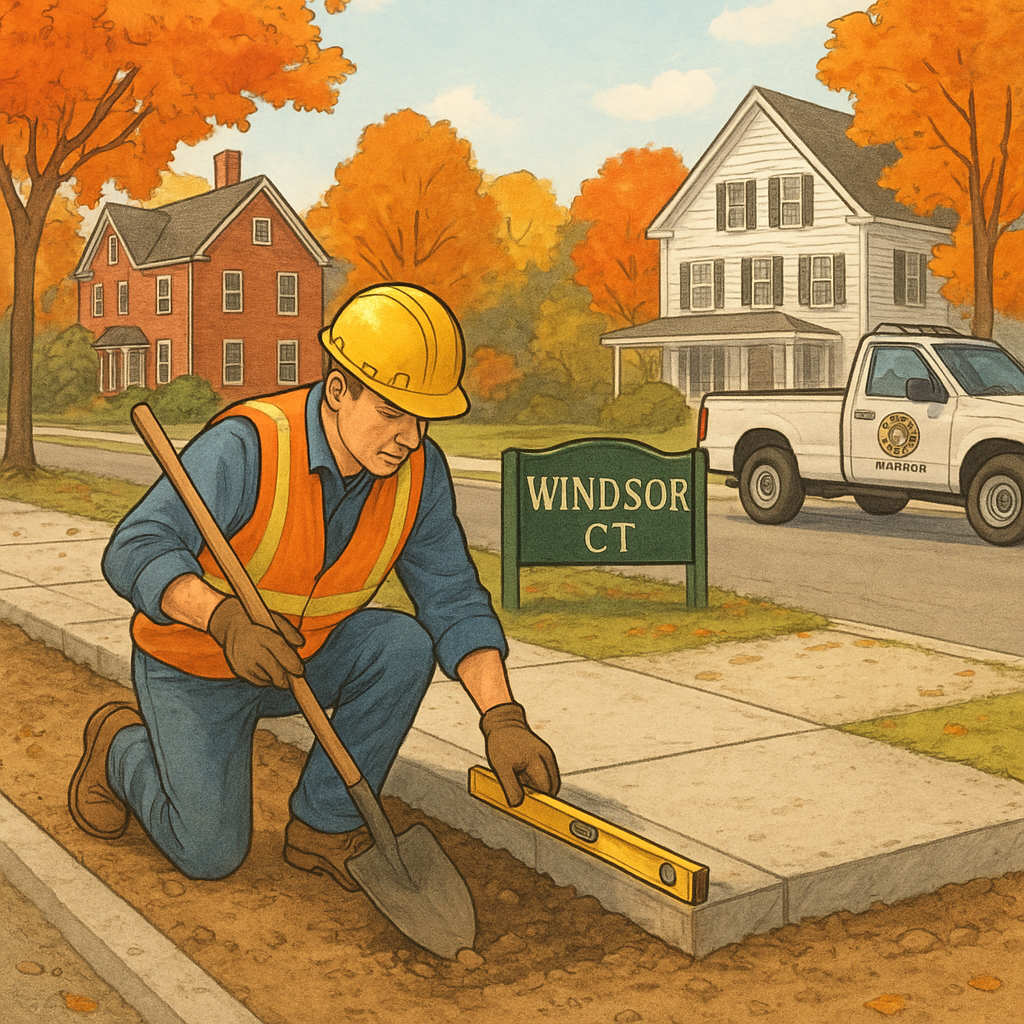
Have you ever walked along a cracked, uneven sidewalk and wondered who’s responsible for fixing it? Or maybe you’re a contractor ready to take on a project in town but feeling a bit tangled in all the paperwork. If you’re working in Windsor, Connecticut, there’s one piece of the puzzle you simply can’t overlook: the Town of Windsor Curb & Walk Layer Excavating Bond. This isn’t just another bureaucratic hoop. It’s a promise to our community that every sidewalk, curb, and walkway built or repaired here will stand the test of time.
In this post, we’re going to break everything down in plain, friendly language. You don’t need a law degree or a construction background to follow along. By the end, you’ll understand why this bond matters, how it keeps Windsor beautiful, and what it means for anyone who digs into a sidewalk project.
Why Sidewalks Are the Quiet Heroes of Windsor
Think of a sidewalk as the handshake between a property and the street. It welcomes neighbors on evening strolls, guides kids safely to school, and gives us a smooth path to the local coffee shop. Sidewalks connect us. In a historic and growing town like Windsor, those connections are everything.
But here’s the thing: sidewalks don’t last forever. Frost heaves, tree roots, and daily wear and tear slowly turn smooth concrete into a tripping hazard. When repairs happen—or when a brand-new walkway is laid—the work must meet specific standards. That’s where the town steps in with a smart system of checks and balances. One of those checks is a little something called a surety bond.
What Exactly Is the Curb & Walk Layer Excavating Bond?
Let’s imagine you’re hiring a contractor to replace the sidewalk in front of your home. You want the job done right the first time. The town wants that too. The Curb & Walk Layer Excavating Bond is a three-party agreement that says, “We trust this contractor, but if something goes wrong, there’s a safety net.”
Here’s the simple version. The bond involves:
- The Obligee (Town of Windsor): The community watchdog that requires the bond.
- The Principal (Sidewalk Contractor): The expert doing the digging and pouring.
- The Surety (Bond Company): The financial backer that guarantees the work.
If a contractor fails to follow town codes, leaves a job half-finished, or damages public property along the way, the bond kicks in. It covers the cost to fix those problems without dipping into taxpayer money. In other words, it turns a handshake deal into a protected promise.
Who Needs This Bond in Windsor?
Not every landscaping company needs a bond, but if you’re a sidewalk contractor performing any excavation, curb laying, or walkway installation inside Windsor town limits, this requirement likely applies to you. It’s specifically designed for professionals who dig into the public right-of-way—the strip of land between the street and private property that often holds sidewalks, curbs, and utility lines.
Even smaller jobs can fall under this umbrella. Are you repairing a section of a driveway apron that crosses the sidewalk? Restoring a historic walkway in the center of town? If the answer involves breaking ground on public-facing paths, the bond is your ticket to compliance. The town’s public works department can always clarify, but a good rule of thumb is: if you’re altering what the public walks on, a bond protects everyone involved.
How This Bond Shields Both Homeowners and the Town
Picture this scenario. A contractor finishes a beautiful new walkway in your neighborhood. A month later, you notice a large sinkhole opening up right beside it. Or the new curb crumbles after the first freeze. Without a bond, who pays to dig it all up and do it over? The homeowner might be stuck with a legal mess. The town might have to pull funds from another essential project.
With the bond in place, the path forward is clear. The contractor is obligated to fix the substandard work. If they refuse or go out of business, the surety company steps in to either hire a different contractor or compensate the town for the repairs. It’s a beautiful safety net that keeps disappointment from turning into a financial disaster.
Beyond individual projects, these bonds protect the look and feel of Windsor itself. Our town takes pride in its neat, walkable neighborhoods. Consistent, compliant sidewalk work preserves that charm and ensures public safety. A trip and fall might seem minor, but for an elderly resident or a child on a bike, a broken slab can cause serious harm. Compliance keeps everyone upright and smiling.
Walking Through the Compliance Process
If you’re a contractor new to working in Windsor, you might feel a flutter of uncertainty when you hear the word “bond.” Let’s walk through the steps together. Understanding the process makes it far less intimidating.
Step 1: Understand the Local Requirements
Visit the Town of Windsor’s official website or call the Engineering Division. They’ll tell you the exact bond amount you need. This amount can vary based on the project size and the risk involved. It’s not a one-size-fits-all number, so double-checking is key.
Step 2: Work With a Trusted Bond Provider
You don’t have to hunt down a surety company alone. Specialized bond agencies understand municipal requirements inside and out. They’ll walk you through the application and ask for basic business details, financial history, and sometimes a credit check. If your business is healthy and you have a track record of completing jobs well, securing a bond is usually straightforward.
Step 3: Keep the Bond Active
Bonds aren’t forever. They typically have a term—often one year—and need to be renewed. Think of it like renewing a driver’s license. As long as you keep your bond current, you can continue accepting sidewalk projects in Windsor without interruption. Many contractors set a calendar reminder a month before expiration. It’s a simple habit that saves a world of hassle.
Step 4: Perform the Work and Stand Behind It
Here’s where your craftsmanship shines. With the bond in your back pocket, you break ground, pour concrete, and create a lasting surface. After the job passes town inspection, you’ve turned a compliant promise into a tangible community asset. The bond might just be sitting quietly in a file drawer by then—exactly where it belongs, unused because everything went perfectly.
Common Misconceptions About Sidewalk Bonds
Let’s clear up a few myths that often float around.
“The bond is just another tax on small contractors.” Not true. You pay a small percentage of the bond amount as a premium—often far less than the cost of one misaligned curb. It’s an investment in your reputation and your client’s peace of mind.
“My general liability insurance already covers me.” Insurance and bonds serve different purposes. Your insurance protects you if someone gets hurt on the job. The bond protects the town and property owner from incomplete or faulty work. They work side by side, not as replacements for one another.
“Once I have a bond, I’m covered for everything.” A bond is project-specific or limited to a certain scope. It doesn’t cover electrical work, plumbing, or building additions. It’s there for the curb, sidewalk, and walkway excavation you’re hired to do.
What Homeowners Should Look for in a Windsor Sidewalk Contractor
Maybe you’re reading this not as a contractor, but as a homeowner planning a spring renovation. How do you know the person you hire truly has all their ducks in a row? Simple. Ask them directly: “Do you carry the required Town of Windsor Curb & Walk Layer Excavating Bond?” A licensed, reputable contractor will say “yes” without hesitation. They may even show you the bond certificate.
Also, look for these green flags:
- They know Windsor’s permit process and can explain it in everyday terms.
- They provide a clear, written estimate that includes a timeline.
- They have local references you can call or visit to see past work.
- They carry both the bond and adequate liability insurance.
If a contractor seems evasive about the bond, consider it a friendly nudge to keep looking. The right professional will treat compliance as a badge of honor, not a burden.
The Ripple Effect of Compliant Sidewalks
Sidewalk compliance might sound like dry administrative language, but its ripple effect is anything but boring. Think about a family pushing a stroller down a smooth, wide path on a sunny afternoon. A teenager learning to skateboard without worrying about catching a crack. An older couple strolling hand-in-hand without fear of stumbling. Those moments don’t happen by accident—they happen because someone followed the rules and did the job right.
For Windsor, each compliant project adds another stitch to the fabric of the town. It boosts property values. It encourages walking and cycling, which reduces car traffic and improves air quality. It tells businesses looking to set up shop here, “This is a community that cares about the little things.” And it all starts with a bond requirement that many people might never see or think about.
Keeping Windsor’s Walkways Safe for Generations
So, next time you walk to the library or enjoy an ice cream on the town green, take a little mental note of the ground beneath your feet. A lot of invisible effort went into making that surface safe and sound. The Town of Windsor Curb & Walk Layer Excavating Bond is one of those quiet forces—working behind the scenes to uphold our shared standards.
Whether you’re a contractor sharpening your tools for the next job or a homeowner dreaming of a perfect new walkway, embracing compliance is a win all around. It keeps our sidewalks welcoming, our neighbors happy, and our town connected one step at a time. And honestly, isn’t that what a true community is all about?