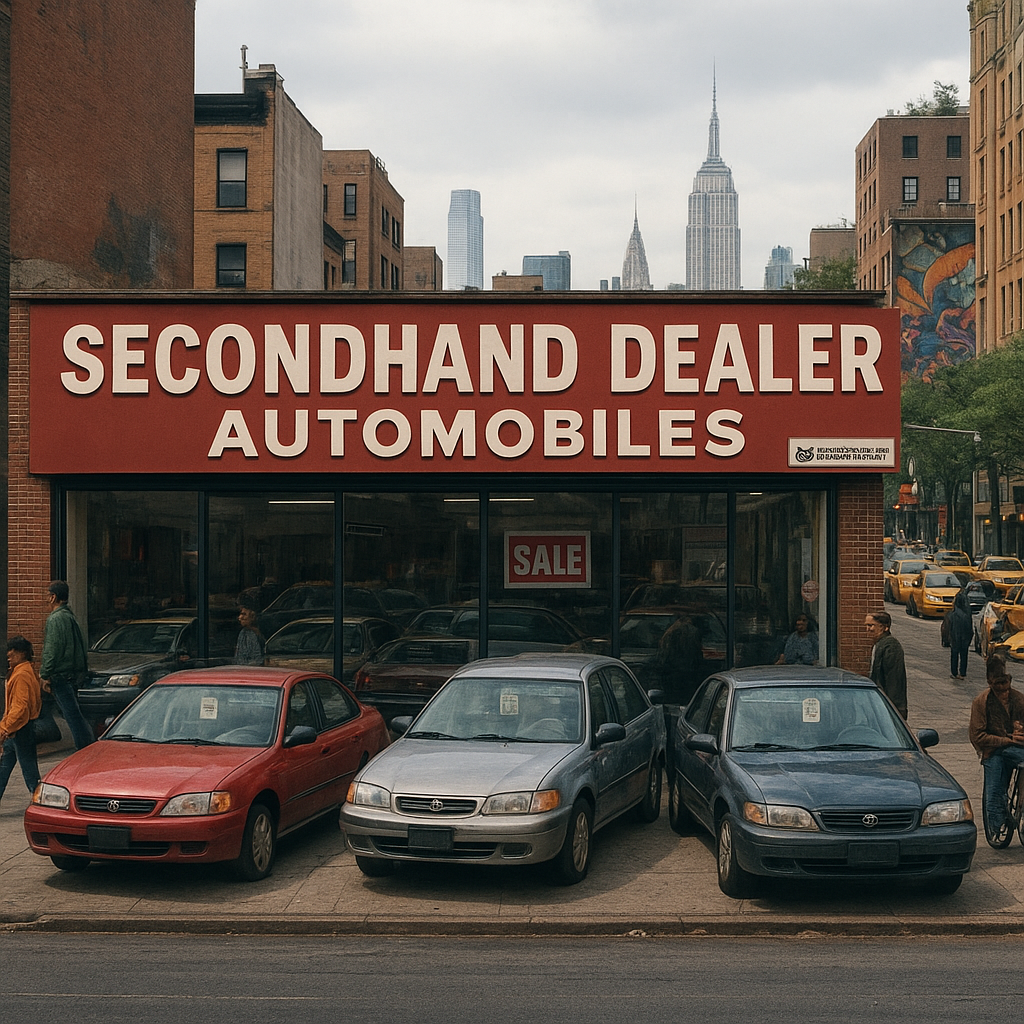
Buying a used car can feel like a treasure hunt. You’re searching for that perfect ride—a reliable vehicle that won’t break the bank. In a bustling city like New York, countless secondhand automobile dealerships line the streets, promising great deals and smooth drives. But what happens if something goes wrong? Maybe the car’s history isn’t quite what the dealer claimed, or you discover hidden mechanical nightmares after signing the paperwork. That’s where the city’s consumer protection net steps in, and it all starts with a little-known requirement called the Secondhand Dealer-Automobiles Bond.
What Exactly Is the Secondhand Dealer-Automobiles Bond?
Think of this bond as a safety deposit that used car dealers in New York City have to set up before they can legally open their doors. The NYC Department of Consumer and Worker Protection (DCWP)—the agency that keeps an eye on businesses to protect folks like you and me—requires it. Officially, it’s a surety bond, but you can picture it as a promise backed by money. If a dealer breaks the rules, that bond helps cover the costs you might face.
The bond isn’t insurance for the dealer. It’s a shield for the public. The dealer pays a premium to a bonding company, and in return, the company guarantees that the dealer will follow all city laws and regulations. If they don’t, an injured customer can file a claim against the bond to get some financial relief.
Why Does New York City Require This Bond?
Picture yourself walking through a lively Queens auto mall or a small dealership in Brooklyn. The dealer hands you the keys and says, “Trust me, this car’s a gem.” But trust is fragile without accountability. Long ago, city lawmakers realized that a few bad actors could tarnish the whole used car market. Hidden salvage titles, odometer rollbacks, and misleading sales pitches hurt honest buyers. So, the city created a system that adds a layer of responsibility.
The DCWP oversees secondhand automobile dealers through a licensing program, and the bond is a mandatory piece of that license. It tells you, “This business is serious enough to put money on the line.” It also gives the DCWP a way to enforce standards. If a dealer steps out of line, the bond may cover damages, fines, or restitution. It’s like requiring a restaurant to have a fire extinguisher—you hope it never gets used, but you’re glad it’s there.
How the Bond Works: A Simple Breakdown
Let’s demystify the bond with a practical example. Imagine you buy a used sedan with 60,000 miles on the odometer, only to discover later that the real mileage is 120,000—a classic odometer fraud. You’re now stuck with a car worth far less, maybe facing expensive repairs. After trying to resolve the issue with the dealer, they refuse to help.
Here’s how the bond comes into play:
- You gather evidence—paperwork, a mechanic’s inspection, and the misleading ad.
- You file a complaint with the DCWP. They investigate whether the dealer violated any laws.
- If the dealer is found at fault, you may file a claim against their bond for the financial harm you suffered, up to the bond’s coverage limit.
The bonding company then steps in, sometimes seeking repayment from the dealer later. The bond doesn’t erase the hassle, but it offers a path to compensation that wouldn’t exist otherwise. It shifts the risk away from you and toward the business that broke the rules.
For Dealers: Getting Bonded and Staying Compliant
If you’re a used car dealer in the five boroughs, you’ll need to navigate this requirement before you can even sell your first vehicle. The DCWP sets the bond amount, and it can vary depending on the dealership’s size or history. Most often, the bond amount is $10,000, but don’t let that number scare you—dealers don’t pay the full amount upfront. Instead, they pay a small percentage as a premium, usually somewhere between 1% and 5% for a year. A dealer with decent credit might pay just a couple of hundred dollars annually.
The process is straightforward:
- Find a licensed surety bond company familiar with NYC’s DCWP requirements.
- Submit an application with details about the business and owners.
- Pay the premium and receive the bond form.
- File the bond with the DCWP along with the dealer license application.
Maintaining the bond means staying on the straight and narrow. Any violation that leads to a bond claim can spike future premiums or even make it impossible to get bonded again. That financial pressure encourages dealers to play fair—a win for everyone.
How Can Consumers Check if a Dealer Is Bonded?
You’re in the driver’s seat when it comes to protecting yourself. Before shaking hands on a deal, take a few simple steps. The DCWP makes it easy to verify a dealership’s license and, by extension, their bond. Visit the DCWP’s website and use their “Check a License” tool. Enter the business name or address, and you’ll see whether the license is active. If the license is valid, the required bond is in place—without it, the city wouldn’t issue the license.
Does this guarantee a perfect experience? Not quite. But it weeds out unlicensed, unbonded outfits that operate in the shadows. A legitimate dealer should also display their DCWP license in the showroom. If you don’t see it, ask. Their reaction can tell you a lot.
Red Flags to Watch Out For When Buying a Used Car
Even with a bond in the background, smart shoppers stay alert. Here are some common warning signs that a dealer might cut corners:
- Pressure to skip a test drive or independent inspection. A trustworthy dealer welcomes second opinions.
- Vague answers about vehicle history. Always get a CARFAX or AutoCheck report, and look for salvage or flood titles.
- “As-is” sales that discourage questions. While many used cars are sold as-is, the dealer still must disclose known defects.
- Odometer discrepancies. Compare the dashboard reading with service records and inspection stickers.
- Refusing to put promises in writing. If they say “I’ll fix that after the sale,” get it on the bill of sale.
Don’t be shy about asking: “Are you bonded and licensed by the city?” A legitimate dealer will answer with confidence. If they stammer or change the subject, it might be time to walk away.
What to Do When Something Goes Wrong
So, you’ve hit a snag. The car’s engine light came on a week later, and your mechanic finds evidence of a covered-up crash. Take a deep breath. The bond exists for exactly this situation. Your first call shouldn’t be a lawyer—it should be to the NYC Department of Consumer and Worker Protection.
Filing a complaint is free and relatively simple:
- Gather every document: the sales contract, advertisements, text messages, repair estimates, and photos.
- Visit the DCWP website or call 311 to start a complaint.
- Describe the issue clearly—what was promised versus what you received.
- Let the DCWP mediate. Many disputes settle at this stage without needing a formal bond claim.
If mediation fails and the dealer refuses to make things right, you can escalate to a bond claim. The DCWP will guide you through the process. Keep in mind the bond has a maximum limit, and claims are paid on a first-come, first-served basis, so don’t delay.
Why This System Benefits the Whole Community
You might wonder, “Does all this red tape really make a difference?” Absolutely. The bond requirement acts like a filter, keeping unqualified or dishonest operators out of the market. It builds a baseline of trust. For every dealer who thinks twice before pulling a fast one, a dozen families avoid a financial disaster. Honest dealers also benefit—they can point to their bonded status as a badge of credibility in a competitive landscape.
Imagine walking into a used car lot and seeing a small sign: “Licensed and Bonded by the NYC DCWP.” That’s not just bureaucratic decoration. It’s a signal that the city has checked this business out and that you have a path to recourse if things turn sour. It transforms a high-stakes purchase into a safer transaction.
Common Misconceptions About the Bond
Let’s clear up a few myths. The bond is not an extended warranty, nor does it cover normal wear and tear. It won’t pay for a new transmission just because the car is old. The bond specifically covers legal violations—fraud, misrepresentation, or failure to deliver a title, for example. Also, the bond doesn’t mean the DCWP inspects every car on the lot. You still need to do your own homework.
Another myth? “Buying from a bonded dealer means I’ll automatically win any dispute.” The claims process still requires proof. Keep those records tidy. If you can’t show that the dealer broke a law, the bond may not apply. Think of it as a tool, not a magic wand.
Your Roadmap to a Safer Purchase
Ready to start shopping? Here’s a quick checklist that combines street smarts with city protections:
- Verify the license online. Make sure the DCWP lists the dealer as active.
- Ask about the bond. A simple “I see you’re bonded, that’s great” opens a conversation.
- Inspect the vehicle thoroughly. Bring a mechanic or use a mobile inspection service.
- Read every line before signing. The fine print can change the deal entirely.
- Keep a paper trail. Save receipts, texts, and ads—they’re your evidence.
Buying a used car will always carry some uncertainty, but in New York City, you’re not alone. The Department of Consumer and Worker Protection has built a framework designed with your safety in mind. The Secondhand Dealer-Automobiles Bond sits quietly in the background, ready to spring into action if a dealer breaks their promise. So go ahead, browse those listings, test drive that SUV, and negotiate with confidence. You’ve got a city-sized safety net beneath you.