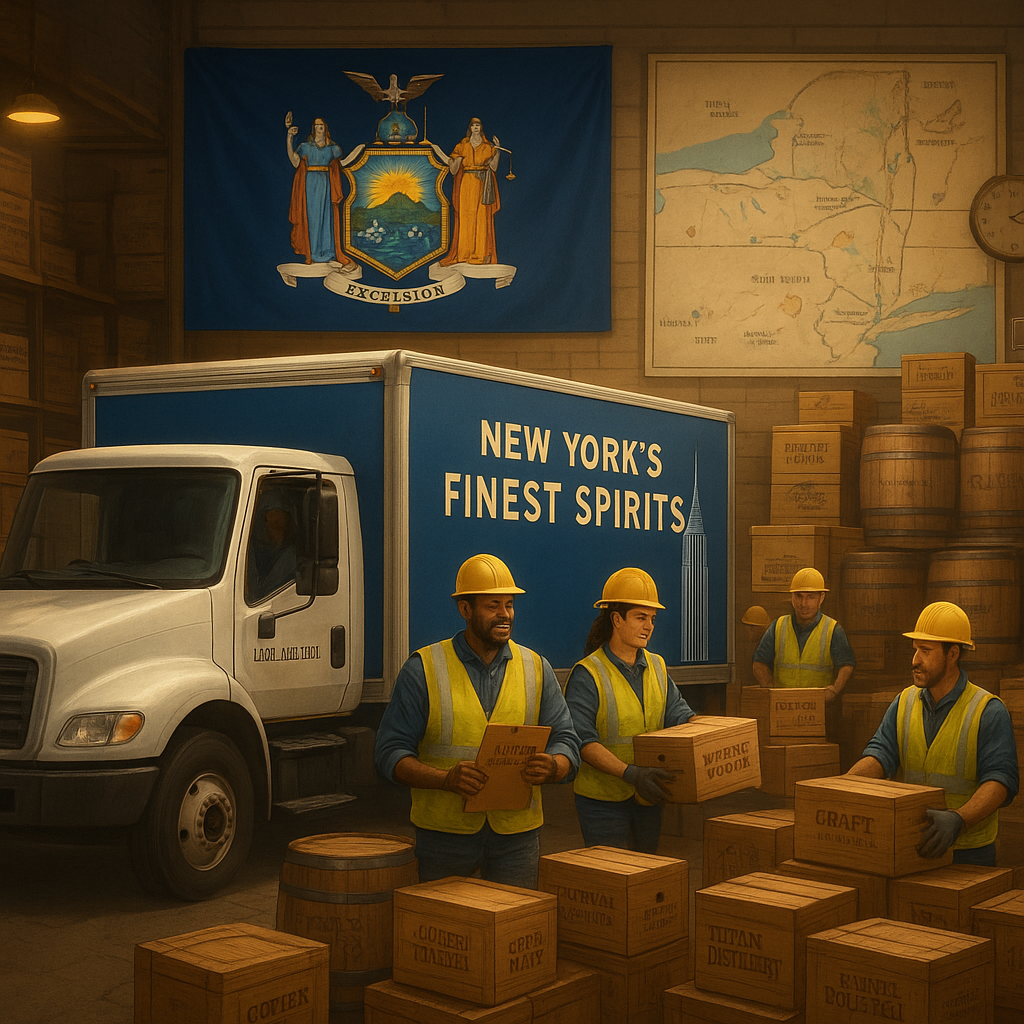
Running a liquor distribution business in the Empire State can feel like navigating a maze of rules and regulations. You’ve got inventory to manage, relationships with distilleries and retailers to maintain, and—of course—taxes to pay. If you’re a distributor of alcoholic beverages in New York, you’ve probably heard whispers about something called the “People of the State of NY Distributor of Alcoholic Beverages Bond.” Sounds like a mouthful, doesn’t it? But don’t let the name intimidate you. Think of it as a promise backed by a financial safety net. If a distributor stumbles on their alcohol and liquor tax obligations, this bond steps in to make things right.
So, what exactly is going on here? Why would a New York liquor distributor suddenly face alcohol and liquor tax issues? Let’s unpack the whole picture in plain, everyday language—no legal degree required.
What Is a New York Distributor of Alcoholic Beverages Bond, Really?
At its core, this bond is a three-party agreement. The first party is the People of the State of New York—yes, that’s the official obligee, basically the state itself acting through its Department of Taxation and Finance. The second party is you, the distributor of alcoholic beverages. The third is a surety company that issues the bond. This isn’t insurance for your business. Instead, it’s a guarantee to the state that you’ll faithfully pay every penny of your liquor taxes.
Imagine you lend your car to a friend. You trust them, but you still want assurance they’ll handle it responsibly. The bond works like that—New York is trusting you to collect and remit excise taxes on all the beer, wine, and spirits you distribute. If you fail to do that, the state can file a claim against your bond. The surety pays the state first, then you have to repay the surety. It’s a classic “you break it, you buy it” situation.
Why Does New York Require This Bond for Alcohol Distributors?
The short answer? Alcohol and liquor tax is a huge revenue stream for the state. In fact, New York collects some of the highest excise taxes on alcoholic beverages in the country. False reporting or non-payment hits public coffers hard. The bond acts as a financial stick, encouraging every distributor of alcoholic beverages to stay honest and on time. No one wants to go through the headache of a bond claim, so the system nudges you toward compliance.
But there’s more to it. The bond protects retailers and consumers indirectly. When taxes go unpaid, it can distort the market. A distributor dodging tax payments might undercut honest competitors, creating an unfair playing field. By bonding all liquor distributors, the state helps ensure a level field where everyone plays by the same rules.
Common Alcohol and Liquor Tax Issues That Trip Up Distributors
You might be thinking, “Okay, I plan to pay my taxes. Why would I ever face issues?” Life happens. Mistakes happen. Here are a few real-world scenarios that can lead to tax trouble for even the most well-meaning NY liquor distributor:
1. Misclassifying Products
Not all alcohol is taxed equally. The tax rate on beer differs from wine, which differs from spirits. Add in flavored malt beverages, cider, and specialty liqueurs, and the lines get blurry fast. A distributor who mislabels a low-proof spirit as a high-proof one might underpay—or overpay—triggering audits and penalties.
2. Late Filings and Cash Flow Crunches
Running a small to mid-size distribution business often means juggling cash flow. You might need to pay suppliers before your retail customers pay you. If a large invoice is delayed, the temptation to push off your liquor tax payment for a week can be strong. New York’s tax department doesn’t look kindly on that. Late filings rack up interest and can eventually lead to a bond claim.
3. Record-Keeping Gremlins
Imagine losing a box of invoices during a move or having your accounting software crash. If you can’t produce clean records to support the tax amounts you reported, the state may estimate your tax liability—often on the high side. Suddenly, you’re facing a tax bill you can’t cover, putting your bond at risk.
4. Changes in Business Structure
Maybe you started as a sole proprietorship and later formed an LLC. If you don’t update your license and bond accordingly, the state could view your tax filings as incomplete or invalid. Administrative slip-ups can spiral into full-fledged tax issues faster than you can say “Distributor of Alcoholic Beverages NY.”
How the Bond Protects the People of the State of New York
When the state is named as the obligee—remember, it’s the “People of the State of NY”—the bond becomes a direct line of financial recovery. Let’s say a distributor goes out of business owing $50,000 in alcohol tax. Without the bond, the state would have to sue, wait in line with other creditors, and may recover only pennies on the dollar. With the bond in place, the Department of Taxation and Finance can file a claim against the surety for the unpaid amount (up to the bond’s limit) and usually receive funds quickly. That money goes right back into public services—schools, roads, emergency response. So in a very real way, this bond helps keep your community running smoothly.
What Happens When a Distributor Faces a Tax Claim?
This is the part nobody likes to talk about, but let’s be honest. If a tax issue escalates to a bond claim, it’s a serious matter. The state sends a notice demanding payment of missing taxes. If the distributor can’t or won’t resolve it, the surety investigates. Once the claim is validated, the surety pays the state. At that moment, the distributor’s relationship with the surety changes dramatically. You now owe the surety every dollar, plus legal fees and interest. The surety can take you to court, garnish your assets, or ruin your personal credit if you signed a personal indemnity (which almost all bond applications require).
More critically, your ability to get bonded again evaporates. Without a valid bond, you can’t legally distribute alcoholic beverages in New York. Your business effectively grinds to a halt. It’s the kind of nightmare that can turn a thriving liquor empire into a cautionary tale.
How to Avoid Alcohol Tax Headaches as a NY Distributor
Prevention is the secret sauce. Here’s how to keep your bond intact and your tax records sparkling clean:
- Hire an accountant who knows booze. Beverage tax laws are quirky. A seasoned professional will keep you on the right side of classification and timely filing.
- Set up a separate tax trust account. While it’s not required, many smart distributors park collected excise taxes in a dedicated account they never touch for operating expenses. That way, when the tax bill comes due, the money’s already waiting.
- Automate your record-keeping. Use cloud-based inventory and invoicing software that syncs with your sales. If auditors ever come knocking, you’ll have a tidy digital trail.
- Keep your bond amount current. New York may adjust the required bond limit based on your tax liability. Regularly review your bond with your surety agent to ensure it meets the state’s formula.
- Communicate proactively. If you sense a cash flow problem is going to make your tax payment late, reach out to the tax department before the due date. They may offer a payment arrangement that keeps your account in good standing and your bond claim-free.
Getting Your New York Liquor Distributor Bond: A Quick Guide
Obtaining the bond doesn’t have to be a chore. The process boils down to finding a reputable surety agency, filling out an application, and providing some financial information. The surety will look at your personal credit, business financials, and experience in the industry. Good credit typically means a lower bond premium—often just 1% to 3% of the total bond amount. If your credit is less than stellar, don’t panic. Special programs exist for higher-risk applicants, though rates will be steeper.
You might be wondering, “How much bond do I actually need?” The amount isn’t one-size-fits-all. The state sets it based on factors like your expected monthly tax liability or the volume of alcoholic beverages you plan to distribute. Always check the latest directive from the New York State Department of Taxation and Finance before applying. Getting it right the first time saves you from embarrassing gaps in your license.
Real Talk: The Bond as a Silent Partner in Your Business
It’s easy to view the People of the State of NY Distributor of Alcoholic Beverages Bond as just another bureaucratic hoop to jump through. And yes, it is a requirement. But think about it from a different perspective. When your clients—bars, restaurants, and liquor stores—see that you’re bonded, they recognize you as a legitimate, financially responsible player. It’s a badge of trust. In a competitive market, that quiet reassurance can tip the scales in your favor when a retailer is choosing between you and an unbonded competitor.
Over the long haul, the discipline required to maintain your bond—meticulous tax filing, solid record-keeping, clear communication with the state—becomes part of your company’s DNA. That operational excellence spills over into better inventory management, stronger banking relationships, and less sleepless nights during tax season. So while the bond begins as a safeguard for the People of the State of New York, it ends up safeguarding the very business you poured your heart into building.
The Bottom Line
Facing alcohol and liquor tax issues as a New York distributor isn’t just about money—it’s about your reputation and your ability to keep your doors open. The bond requirement, with its official name tying back to the “People of the State of NY,” might sound like legal jargon, but it serves a purpose we can all appreciate: accountability. Whether you’re a seasoned distributor or just dipping your toes into New York’s thriving beverage scene, understanding this bond and the tax obligations behind it is your first step toward a smooth, successful ride.
So, take a deep breath. Review your tax processes. Connect with a bond professional who gets the liquor industry. And remember, this isn’t just about avoiding penalties—it’s about thriving in one of the most dynamic alcohol markets in the world. Cheers to doing it right!