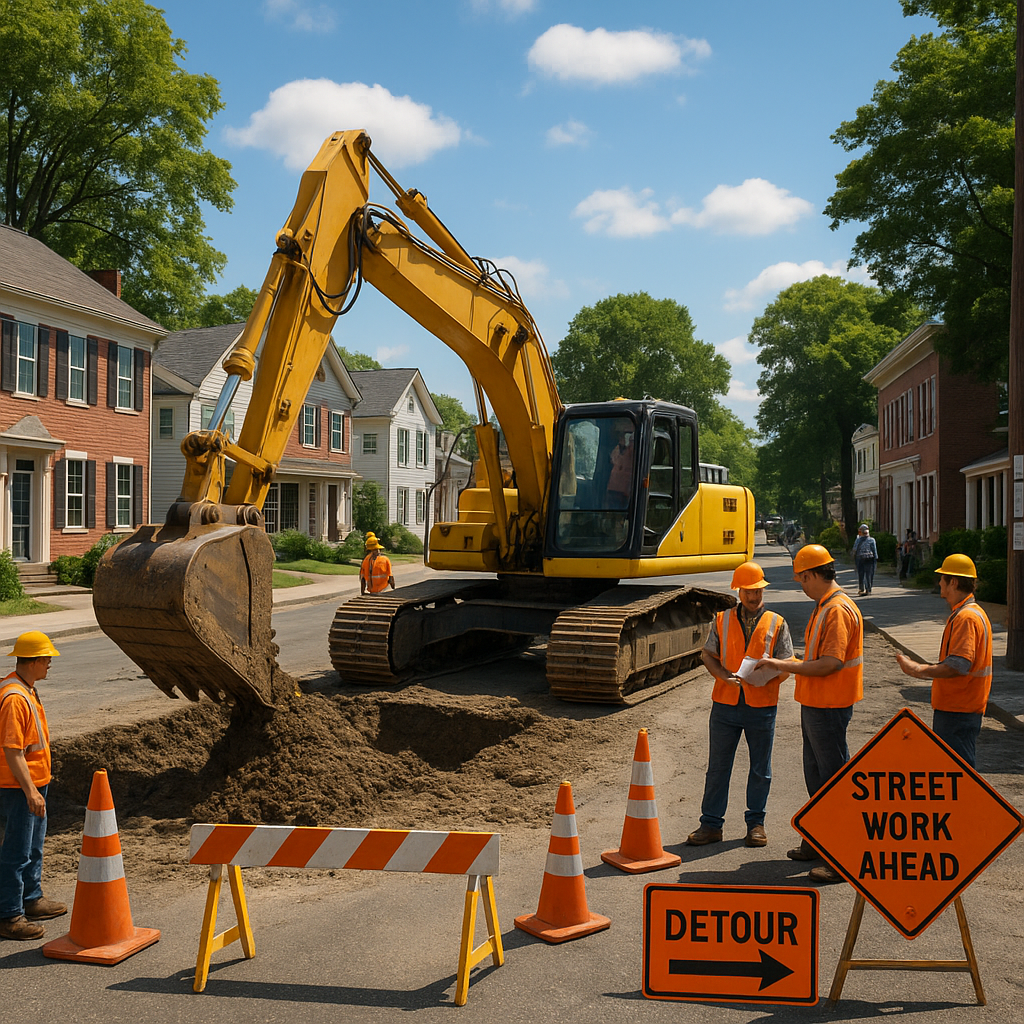
If you’ve ever watched a crew tearing up a road in your neighborhood, you probably had one big question: “Who’s going to make sure they put it all back the right way?” In the Town of Windsor, Connecticut, that peace of mind comes in the form of a little-known but mighty requirement—the street excavator excavating bond. Let’s break down what that means, why it matters, and how it keeps Windsor’s streets safe and looking great.
What Exactly Is a Street Excavation Bond?
Think of a street excavation bond like a security deposit you’d put down on a rental apartment. When a contractor needs to dig up a public street—whether to repair a water line, install new utility cables, or connect a sewer—they’re essentially borrowing something the whole community owns. The bond is a financial promise. It says, “If I don’t restore the street to the town’s standards, the town can use this money to fix it.”
In more formal terms, the bond is a three-party agreement. The contractor (the principal), the Town of Windsor (the obligee), and a surety company (the guarantor) all have a role. The surety provides a guarantee to the town: if the contractor fails to do the job correctly or abandons it, the town can make a claim against the bond. It’s a safety net that protects taxpayers and residents from shoddy work.
Why Windsor, CT Requires This Bond
Windsor is a town that balances historic charm with modern growth. With that comes digging—lots of it. Every time a road is excavated, there’s a risk of improper backfilling, pavement that settles unevenly, or damage to existing infrastructure. The town’s bond requirement is a compliance-only tool designed to ensure that every contractor who opens a street takes full responsibility for restoring it properly.
Here’s the heart of it: Windsor’s streets are public assets. A poorly patched trench could lead to potholes, water pooling, or even dangerous driving conditions months or years later. By requiring a bond, the town makes sure there’s a dedicated pot of money available immediately if something goes wrong. It’s proactive protection, not reactive scrambling.
Who Needs a Street Excavating Bond in Windsor?
If you’re a contractor planning to cut into any public right-of-way in Windsor—whether you’re a one-person plumbing outfit or a large utility company—you’ll almost certainly need a street excavator excavating bond. The same goes for subcontractors who might be doing the actual digging on behalf of a larger firm. The rule applies to any street, alley, or sidewalk under town jurisdiction.
What about private property? If your work doesn’t touch the public way, you probably won’t need this specific bond. But the moment your excavation crosses that invisible line from private land to public pavement, the requirement kicks in. When in doubt, a quick call to Windsor’s Public Works or Engineering Department can clarify what’s needed for your specific project.
The Compliance-Only Nature: What It Means
You might have noticed the phrase “compliance only” floating around in discussions about Windsor’s bond requirements. That simply means the bond exists solely to meet the town’s legal standard. It’s not a license, not an insurance policy for the contractor’s equipment, and not a substitute for general liability coverage. It’s a dedicated instrument with one purpose: to guarantee street restoration work meets the town’s specifications.
Because it’s compliance-focused, the bond amount is often calculated based on the scope of the excavation—the length, width, and type of street being cut. Windsor wants the bond to realistically cover the potential cost of hiring another crew to redo the job if necessary. This keeps the process fair and tied directly to risk.
How the Bond Protects Residents and the Town
Imagine a small contractor cuts a trench for a fiber optic line across your street. They backfill it, throw down some temporary asphalt, and promise to return for permanent paving. Then months pass, the patch sinks, and every rainstorm leaves a lake-sized puddle at your driveway entrance. Without a bond, the town might struggle to get the contractor back, and taxpayers might end up footing the bill for repairs.
With a bond in place, the town can file a claim. The surety company investigates and, if the claim is valid, pays to fix the street. The contractor then has to reimburse the surety—so there’s strong motivation to do the job right the first time. This chain of accountability protects residents from eyesores and hazards, and it protects the town’s budget from unexpected expenses.
- Quality Assurance: Contractors know the town has financial leverage, so they follow best practices for compaction, materials, and finishing.
- Faster Resolution: Instead of lengthy legal battles, the bond streamlines the remedy process.
- Community Confidence: Neighbors see that the town holds everyone to the same high standard.
How a Contractor Gets Bonded in Windsor, CT
Getting a Windsor street excavator bond is usually straightforward, especially if you work with a surety bond agency familiar with Connecticut requirements. Here’s a typical path:
- Determine the required bond amount. Check with Windsor’s engineering or public works department. They’ll often have a schedule based on the type and size of the excavation.
- Apply with a surety company. You’ll provide basic business information, your financial history, and possibly a credit check. Bonds for smaller amounts often only need a credit review, not a deep dive into your corporate books.
- Pay the premium. For a compliance bond, the premium might be a small percentage of the full bond amount—sometimes as low as 1-3% for well-qualified contractors.
- File the bond with the town. Once issued, the original bond form gets delivered to the Town of Windsor. They’ll keep it on file as part of your permit package.
- Renew or maintain as needed. Some bonds are project-specific and expire after the work is approved. Others may be continuous until canceled. Know which type you have.
One common question from contractors is, “What if my credit isn’t perfect?” Good news: surety companies look at the whole picture. Even with less-than-ideal credit, you can often still get bonded—you might just pay a slightly higher premium. The key is to start early so there’s no delay in pulling your permit.
What Happens When a Contractor Doesn’t Comply?
Non-compliance isn’t just a slap on the wrist. If you excavate without the required bond in place, Windsor can issue a stop-work order, revoke your permit, or deny future permits. The town takes street integrity seriously because every failed trench patch costs money and erodes public trust. Fines and legal action are also possibilities.
From a business perspective, skipping the bond can damage your reputation. Town officials talk to neighboring communities, and word gets around. In a competitive contracting world, being known as the company that cuts corners is a fast track to losing work.
Common Misconceptions About the Bond
“But I already have insurance.” Liability insurance covers things like bodily injury or property damage that happens during your work. It doesn’t guarantee that your trench restoration will hold up for the long haul. The bond is a completely separate promise focused on the finished product.
“It’s just another tax.” Not at all. The bond premium is a cost of doing compliant business, not a revenue stream for the town. The town never touches the premium—they only access bond funds if work isn’t completed properly. You’re essentially buying a financial guarantee that protects the town and your own reputation.
“Small patches don’t need a bond.” Even a small excavation can create big problems if backfilled incorrectly. Windsor’s rules apply to all street cuts, not just mega-projects. The bond amount may be scaled down for minor work, but the requirement is still there.
Tips for a Smooth Excavation Project in Windsor
Whether you’re a longtime Windsor contractor or a newcomer to the area, a little preparation goes a long way. Keep these pointers in mind:
- Connect early with town staff. They’re your best resource for clarification on bond amounts, application forms, and inspection expectations.
- Bond before you break ground. Have your surety paperwork in hand before scheduling the start date. Last-minute rushes can cause delays.
- Document your work. Take photos before, during, and after excavation. Good records help resolve any disputes about restoration quality.
- Stay informed about local standards. Windsor may have specific material requirements for hot mix asphalt, gravel thickness, or compaction testing. Your bond guarantees you’ll meet them, so know what they are.
- Keep your surety updated. If the scope of the project changes significantly, you might need to adjust the bond amount. Always keep your surety in the loop to remain compliant.
The Bigger Picture: Building Trust in Public Infrastructure
When you step back, a street excavation bond is more than paperwork. It’s a tool that reflects Windsor’s commitment to lasting infrastructure. Every time a contractor restores a trench perfectly, the community saves money, avoids inconvenience, and maintains the town’s walkable, bike-friendly character. For contractors, being bonded signals that you’re a professional who stands behind your work. For residents, it means you can sleep easy knowing the town has the situation well in hand if a road repair starts to look iffy.
In a world where infrastructure projects often come with delays, cost overruns, and finger-pointing, Windsor’s compliance bond system cuts through the noise. It defines clear responsibilities and backs them up with real financial accountability. So the next time you see a crew with jackhammers and cones, you’ll know there’s an invisible safety net woven into that scene—one that helps keep Windsor’s streets smooth, safe, and well-maintained for years to come.
Frequently Asked Questions
How much does a Windsor street excavation bond cost? The price varies based on the total bond amount and the contractor’s financial profile. Many contractors pay between 1% and 3% of the bond amount as an annual premium. For a $10,000 bond, that might be just a couple of hundred dollars.
Can a homeowner pull their own excavation permit without a bond? Generally no, if the work involves cutting into the public right-of-way. The bond requirement typically applies to anyone performing the excavation, whether it’s a big company or a DIY homeowner. Always verify with the town before digging.
Is the bond refundable after the job is done? Typically, the premium you pay is non-refundable—it’s the cost of obtaining the bond, just like an insurance policy. However, if you’ve posted cash or a letter of credit directly with the town, those may be returned once the work passes final inspection. Work with the town to understand which type of financial guarantee you’re using.
What happens if I change contractors mid-project? The new contractor will need to provide their own bond covering the work they’ll perform. The original bond may remain in place for work already completed. Coordination with Windsor’s engineering staff is crucial to avoid coverage gaps.
Navigating Windsor’s street excavation bond requirements doesn’t have to be intimidating. With the right preparation, a conversation with the town, and a quick partnership with a surety bond professional, you’ll be ready to dig in—literally and figuratively—while keeping the community’s trust firmly intact.