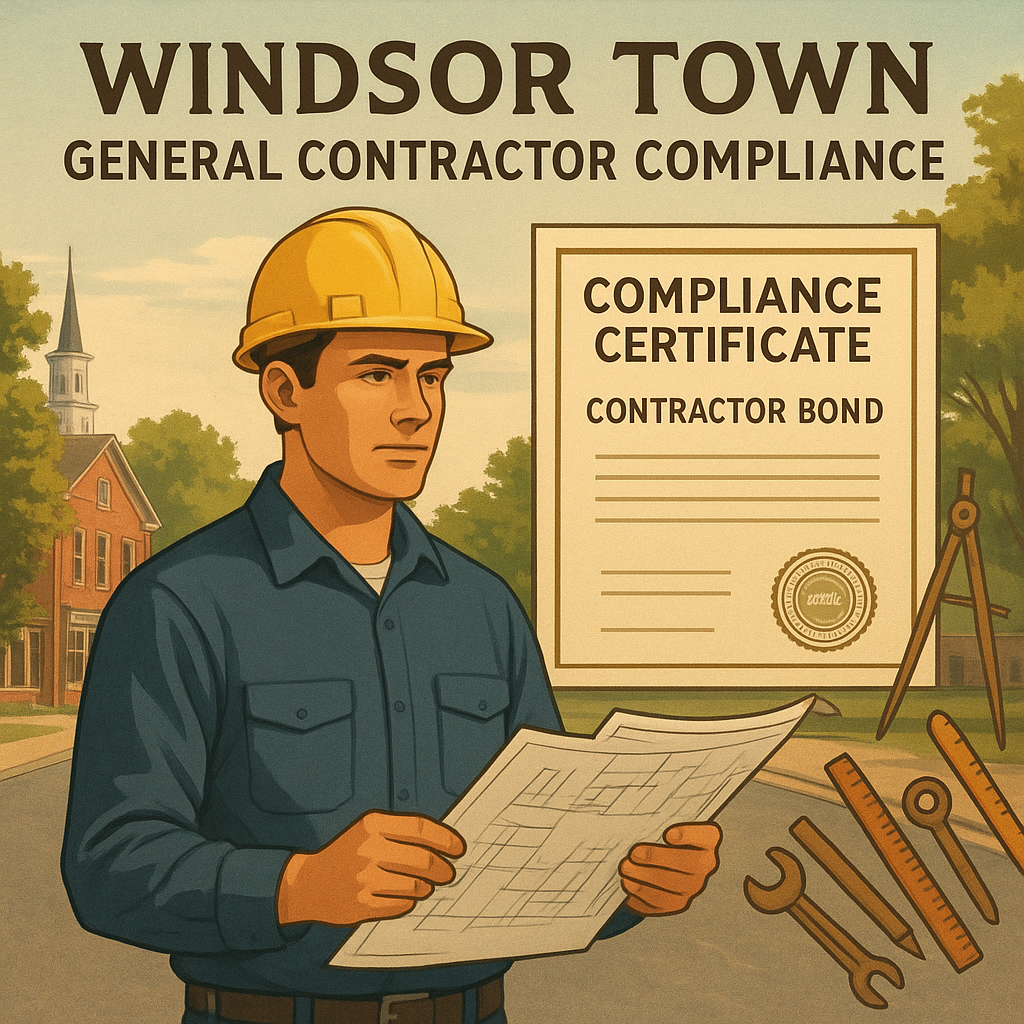
If you’re a general contractor planning to dig, trench, or move earth in the Town of Windsor, Connecticut, you’ve probably come across the phrase excavation bond more than once. It might sound like just another piece of red tape, but it’s actually a straightforward requirement that protects everyone involved. Think of it as a promise—a financial promise—that you’ll follow the local rules while you work. In this post, we’ll break down everything you need to know about the Windsor CT general contractor excavating bond, why it exists, and how it fits into your daily operations.
What Exactly Is a General Contractor Excavation Bond?
At its simplest, an excavation bond is a type of surety bond. A surety bond involves three parties: the contractor (you), the town or municipality requiring the bond (the obligee), and the surety company that backs the bond financially. In Windsor, this bond is often labeled as a “compliance only” bond. That means it guarantees you’ll comply with all local ordinances, codes, and regulations related to excavation work. It doesn’t cover the quality of your finished project or protect against poor workmanship—that’s what performance bonds are for. Here, the focus is purely on following the town’s rules.
Imagine you’re borrowing a friend’s car. You promise to drive safely, obey traffic laws, and return the car in good shape. The excavation bond is similar: you’re promising the Town of Windsor that you’ll dig responsibly, protect public utilities, and restore any disturbed areas according to their standards. If something goes wrong—say you accidentally damage a water main and don’t fix it—the bond steps in to cover the town’s financial loss up to the bond amount.
Why Does Windsor, Connecticut Require This Bond?
Towns like Windsor don’t ask for bonds to make life difficult for contractors. They do it because excavation work carries real risks. Digging near underground gas lines, electric cables, and sewer pipes can disrupt entire neighborhoods if not handled correctly. Roadways might collapse, storm drains could be blocked, or a sidewalk might become a hazard. The bond provides a financial safety net for the municipality, ensuring that taxpayers don’t foot the bill for a contractor’s mistake.
Connecticut is known for its dense underground infrastructure in older towns, and Windsor is no exception. The bond requirement acts like a pre-qualification checkpoint. Before you even break ground, the town wants to know you have the financial backing to cover any codes and regulations you might violate. It’s a shield for the community, but it’s also a signal to your clients that you’re a legitimate, responsible professional.
Compliance-Only Bonds vs. Other Bonds: A Quick Comparison
You might be wondering how a compliance-only bond differs from the other bonds you’ve heard about. Let’s clear that up right now:
- Compliance Bond (What Windsor requires): Guarantees you will obey all applicable laws, codes, and ordinances during excavation. It protects the public interest, not the property owner.
- Performance Bond: Guarantees the project will be completed according to the contract terms. If you fail to finish the pool or building foundation, this bond compensates the project owner.
- Payment Bond: Guarantees you’ll pay your subcontractors, laborers, and material suppliers.
In Windsor, the general contractor excavating bond is squarely in the first category. The town wants assurance that you’ll play by their rules, from dust control to site restoration.
Who Needs This Excavation Bond in Windsor?
Not every local contractor requires this bond. Typically, the requirement kicks in when a general contractor performs earth-moving activities that exceed a certain threshold. That could include digging a foundation, trenching for utility lines, removing large tree stumps that disturb the soil, grading a driveway, or any project that involves cutting into public rights-of-way. If you’re simply planting a few shrubs, you probably don’t need a bond. But if your excavator is about to dig a basement for a new home or install a septic system, the Town of Windsor will likely ask for proof of bonding before issuing a permit.
Always check with the Windsor Building Department or Public Works. They can tell you if your specific project triggers the bonding requirement. Even if you’re working on private property, the moment your excavation affects public infrastructure or falls under municipal regulations, the bond becomes essential.
How Does a Compliance-Only Bond Actually Work?
Picture a construction site near a busy street. Your crew is digging to lay a new sewer connection. Everything goes smoothly, but on the way out, a truck accidentally clips a fire hydrant and cracks a sidewalk panel. You’re responsible for repairing the damage according to town standards. If you patch it up poorly or simply vanish, the town can file a claim against your bond. The surety company investigates and, if the claim is valid, pays the town the cost to fix the problem—up to the bond’s penalty amount.
However, a bond isn’t insurance for you. If the surety pays out a claim, you must reimburse them every penny. That’s the key difference between surety bonds and traditional insurance. With insurance, the insurer absorbs the loss. With a bond, you’re ultimately on the hook. This structure keeps contractors accountable.
How Much Does a Windsor General Contractor Excavation Bond Cost?
The bond amount—the maximum the surety will pay out—is set by the town. For excavation compliance bonds, it might be $10,000 or $25,000, but you’ll need to confirm the exact figure with Windsor officials. Don’t worry: you won’t have to pay that full amount upfront. You pay a small percentage, called the bond premium, annually. For most contractors with good credit, the premium ranges from 1% to 5% of the total bond amount.
So, if the required bond is $10,000, your out-of-pocket cost might be as low as $100 to $500 per year. Surety companies look at your personal credit score, business financials, and experience. A strong credit history and a track record of clean work can get you a remarkably low premium. Even if your credit isn’t perfect, specialized bond programs can help you get approved, often at a slightly higher rate.
Step by Step: Getting Your Excavation Bond in Windsor, CT
Securing the bond doesn’t have to be a headache. Here’s a simple roadmap:
- 1. Confirm the requirement. Call the Town of Windsor Building Department or visit their website. Ask for the exact bond form, amount, and any specific verbatim language they require.
- 2. Gather your information. You’ll need your business license, contact details, and possibly a few financial documents. The surety company will also check your credit.
- 3. Apply through a bond specialist. You can go directly to a surety company or work with an agency that shops multiple markets. An independent agent can often find the best rate.
- 4. Pay the premium and receive your bond. Once approved, you’ll pay the premium and get the official bond document. Some agencies offer instant electronic delivery.
- 5. File the bond with the town. Submit the original bond to the appropriate Windsor department. They’ll keep it on file before your permit gets the green light.
The entire process can often be completed in a day or two, especially if you have your paperwork ready.
Common Misconceptions About Excavation Bonds
Let’s address a few points that tend to confuse contractors:
“I already have general liability insurance, so I don’t need a bond.” That’s a common mix-up. Liability insurance protects you from lawsuits for bodily injury or property damage. The town’s compliance bond protects the town specifically by making sure you follow all local ordinances. They are separate requirements, and one usually doesn’t replace the other.
“The bond covers my workmanship.” Not true. As we mentioned, this is a compliance-only bond. If a homeowner is unhappy with the color of the concrete or the slope of their new patio, the bond won’t cover that. It’s strictly about following municipal rules.
“Once I get the bond, I’m covered forever.” Most bonds must be renewed annually. If your bond lapses, the town can revoke your permit or stop your work until you provide a new one. Keep a calendar reminder.
Real-World Example: How the Bond Protects Everyone
Let’s say you’re a general contractor hired to build an addition to a home in Windsor. Your excavation for the foundation disrupts a stormwater drainage pattern. A few weeks later, after a heavy rain, the neighbor’s yard floods. The town investigates and finds that your work didn’t comply with local drainage and grading codes. The repairs cost $8,000. Because you hold a valid excavation compliance bond, the town can tap that bond to cover the repair costs, and the neighbor doesn’t have to sue. You then repay the surety. Without the bond, the town might be stuck chasing you down, and the neighbor would be left with a soggy yard and a lot of frustration. The bond keeps the situation orderly and fair.
Is the Bond the Same for All Towns in Connecticut?
Not necessarily. While the underlying concept of a compliance bond is similar across many municipalities, each town sets its own requirements. Windsor’s excavation bond might have a different dollar amount, specific wording, or additional endorsements compared to nearby Bloomfield, Glastonbury, or Hartford. Always ask for the exact bond form from Windsor. Do not assume the bond you used in another town will be accepted. A good surety agent will know how to tailor the bond to Windsor’s exact template.
What Happens If You Work Without the Required Bond?
Working without a required excavation bond in Windsor is risky business. You could face stop-work orders, serious fines, and even a suspended contractor’s license. The town might also refuse to issue future permits until you straighten things out. Beyond the official penalties, operating without a bond can damage your reputation. Homeowners and commercial developers often check whether their contractor is properly bonded. They see it as a mark of professionalism. Skipping the bond might save you a couple hundred dollars in the short term, but it could cost you thousands in lost contracts and legal headaches.
Quick Tips for a Smooth Bonding Experience
- Start early. Don’t wait until the day before your permit application to look for a bond. Give yourself at least a week to address any credit issues.
- Build good credit. Surety underwriting is heavily credit-driven. Pay your bills on time and keep debt manageable to lock in lower premiums.
- Keep your business records tidy. Even if your credit isn’t stellar, proof of steady income and a history of completed projects can help your case.
- Work with a knowledgeable agent. A bond agent experienced in Connecticut municipal bonds will save you time and prevent mistakes.
Wrapping It All Up
The Town of Windsor CT general contractor excavating bond might seem like just another piece of paperwork, but it plays a vital role in keeping the town safe and functional. It ensures that when you dig, grade, or trench, you do it the right way. For contractors, it’s a badge of credibility. For the town and its residents, it’s a layer of financial protection. Understanding the compliance-only nature, the cost, and the simple steps to get bonded can transform this requirement from a chore into a business advantage.
Next time you gear up for an excavation project in Windsor, remember that the bond isn’t just a regulation—it’s your partnership with the community. When everyone follows the rules, roads stay intact, utilities hum along, and neighborhoods remain vibrant. And isn’t that the foundation every contractor wants to build on?