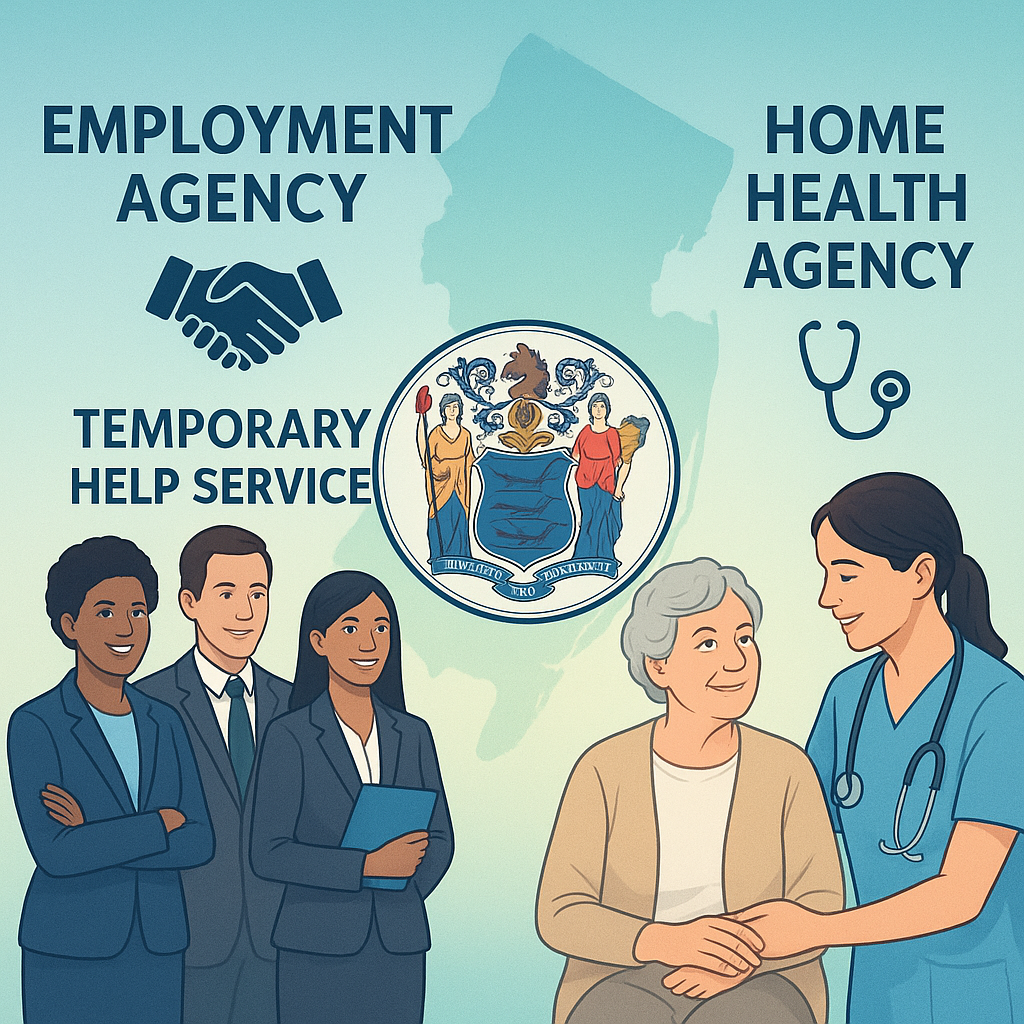
If you run a staffing company in the Garden State, you’ve probably heard about a requirement that sounds like a secret handshake: the Temporary Help Service Firm Bond. Don’t worry—it’s not as mysterious as it sounds. Think of it as a promise you make to the state and your clients that you’ll operate fairly and follow the rules. Let’s break it all down in plain English so you can get back to connecting great people with great jobs.
What Exactly Is a Temporary Help Service Firm Bond?
Picture this: you hire a contractor to renovate your kitchen. You wouldn’t hand over a huge deposit without some assurance they’ll actually show up and do the work, right? That’s essentially what this bond does for the temporary staffing industry. A Temporary Help Service Firm Bond is a type of surety bond—a three-party agreement that protects the public. If your agency fails to meet its legal obligations, someone can make a claim against the bond to recover financial losses.
In New Jersey, this bond is required for two main types of businesses: temporary help service firms (think staffing agencies that send workers to other companies) and employment agencies (which help people find permanent jobs). It also applies to home health agencies that place caregivers. The bond acts as a safety net, ensuring you’ll play by the rules set by the state’s Division of Consumer Affairs.
Why Does New Jersey Require This Bond?
Great question. The state isn’t trying to make your life difficult—it’s working to protect vulnerable job seekers and the companies that hire them. Unfortunately, not all agencies operate with integrity. Some might charge illegal fees, misrepresent job opportunities, or vanish without paying workers. The bond provides a financial cushion. If your firm engages in dishonest or unethical practices, affected parties can file a claim to get their money back. It holds agencies accountable and helps maintain trust in the entire industry.
Who Needs to Obtain This Bond?
This is where things get specific. The New Jersey Division of Consumer Affairs mandates that you secure a bond if you operate as:
- Temporary Help Service Firms: You supply your own employees to a client to support or supplement their workforce. The workers remain your employees, but they work under the client’s direction. Think of a warehouse needing extra hands during the holiday rush—that’s you.
- Employment Agencies: You help individuals find permanent employment with other companies. You might charge a fee to the job seeker or the employer, but the key is you’re matching candidates to long-term roles.
- Home Health Agencies: You place nurses, aides, or other caregivers in residential settings. Given the sensitive nature of home care, this bond is particularly important to protect families and patients.
If any of these descriptions hit close to home, you’ll likely need to file a bond before you can get your license or renew it. When in doubt, check directly with the Division of Consumer Affairs. It’s far better to confirm upfront than to risk a license suspension down the road.
How Much Bond Coverage Do You Need?
The required bond amount isn’t a guessing game. New Jersey sets a fixed amount based on your agency type. Currently, the bond requirement is $10,000 for temporary help service firms, employment agencies, and home health agencies. That $10,000 represents the maximum the surety company would pay out if a claim is validated. It’s not what you pay for the bond itself—your actual cost is just a small percentage of that amount, which we’ll get to next.
Does $10,000 sound like a lot? It’s actually a moderate threshold compared to other types of surety bonds. The state determined this amount strikes a balance between providing meaningful protection and keeping the bond affordable for small and mid-sized businesses.
What Does It Cost to Get Bonded?
Here’s some good news: you don’t have to write a check for ten grand. The bond premium—what you pay annually—is usually a fraction of the total coverage. For applicants with solid personal credit and a clean business history, premiums typically range from 1% to 3% of the bond amount. That could be as low as $100 to $300 per year. If your credit score has taken a few hits, don’t panic. Some surety companies work with higher-risk applicants, though the premium might edge closer to 5% or even 10%. The annual cost is still manageable for most businesses.
Factors that influence your premium include personal credit score, business financials, and industry experience. Because this bond is considered relatively low risk, many agencies qualify for a standard rate without a lot of red tape.
Step-by-Step: How to Get Your Bond
Getting bonded doesn’t need to feel overwhelming. Think of it like applying for a credit card with a safety purpose. Here’s the typical path:
- Verify Your Requirement: Confirm with New Jersey’s Division of Consumer Affairs that a $10,000 surety bond is needed for your specific license type. You can find the application checklist on their website.
- Reach Out to a Surety Bond Provider: Choose a reputable bond agency that understands New Jersey’s regulations. You can often apply online in minutes.
- Complete the Application: Provide basic information about your business and the owners. The surety will run a soft credit check to assess eligibility.
- Receive Your Quote: If approved, you’ll get a premium quote. Pay the premium, and the bond becomes active.
- File the Bond with the State: The surety will issue the official bond form. You’ll need to submit it to the Division of Consumer Affairs as part of your license application or renewal. Keep a copy for your records.
Most bonds are issued within 24 to 48 hours, and some providers offer instant issuance for straightforward applications. So you can move from confusion to compliance in a day or two.
Common Misconceptions About the Bond
Let’s clear up a few myths floating around. First, this bond is not insurance for your business. Insurance protects you; a surety bond protects the public. If a claim is paid, you’re ultimately responsible for reimbursing the surety company for every penny they paid out. It’s a credit-based product, not a policy that absorbs losses on your behalf.
Second, some agency owners think the bond covers things like workers’ compensation or wage disputes. It doesn’t. The bond covers violations of the New Jersey statutes governing staffing firms—such as charging excessive fees to job seekers, misleading advertising, or failing to abide by contract terms. For payroll issues or injury claims, you’ll need separate insurance policies.
And no, the bond never expires as long as you keep renewing the premium and maintain your license. You’ll typically need to renew the bond annually to match your licensing cycle.
What Happens If a Claim Is Filed Against Your Bond?
Let’s be real—nobody wants a claim. But understanding the process helps you avoid one. Say a job seeker files a complaint that your agency charged an illegal upfront fee. The Division of Consumer Affairs investigates. If they find you violated the law, the harmed party can make a claim on your bond. The surety company will then step in to investigate. If the claim is valid, the surety pays the claimant up to the $10,000 limit.
Here’s the critical part: you must repay the surety for the full amount plus any legal costs. Your relationship with that surety company will be damaged, and your future bonding ability could be jeopardized. That’s why the best approach is to always follow the regulations closely. When in doubt, consult with a legal professional who knows New Jersey employment law.
How This Bond Builds Trust with Clients and Job Seekers
Beyond compliance, carrying this bond can give you a competitive edge. When a business is deciding between two staffing agencies, knowing that one is bonded can tip the scale. It signals that your agency is legitimate, financially responsible, and committed to ethical practices. You can mention your bond status in marketing materials or during contract negotiations. It’s a subtle but powerful trust signal, much like seeing a “Licensed and Insured” badge on a contractor’s website.
For job seekers, especially those who have been burned before, that bond represents security. They can feel confident that your agency won’t disappear with their application fees or mislead them about job opportunities. In the home health sector, where families invite strangers into their homes, the bond provides extra peace of mind. You’re not just saying you’re trustworthy—you’ve put a financial guarantee behind it.
Tips for a Smooth Bonding Experience
Ready to cross this off your to-do list? A little preparation goes a long way. Here are some friendly pointers:
- Check Your Credit First: Since your personal credit score is a key factor, review it before applying. Correct any errors, and if possible, pay down high balances to boost your score.
- Work with a Specialist: Not all surety providers understand New Jersey’s specific bond forms. Find a provider that regularly handles NJ Division of Consumer Affairs bonds. They’ll know exactly what’s needed.
- Bundle Your Bonds: If your agency needs multiple bonds—say, one for temporary help services and another for home health—ask about bundling. Some sureties offer discounts for multiple policies.
- Stay Current on Regulations: Laws can change. Set a calendar reminder to review state requirements every year before renewal. The Division of Consumer Affairs website is your best friend.
Frequently Asked Questions (Just the Quick Hits)
Can you run a temp agency without this bond in New Jersey? No, it’s mandatory. Operating without it can lead to fines, license revocation, or legal action. How long does it take? Often just a day or two. Do you need excellent credit to get approved? Not necessarily—approval is possible with less-than-perfect credit, just at a higher premium. Is the bond tax-deductible? Generally, yes, as a business expense. Always verify with your accountant.
Wrapping It Up
New Jersey’s Temporary Help Service Firm Bond might feel like extra paperwork, but it’s actually a badge of honor. It shows you’re a reputable agency that stands behind its promises. By securing this bond, you protect job seekers, reassure client companies, and demonstrate that your business is built on integrity. So take a deep breath, gather your information, and connect with a bonding expert. You’ll have that bond in hand before you know it—and then you can get back to doing what you do best: matching talent with opportunity.