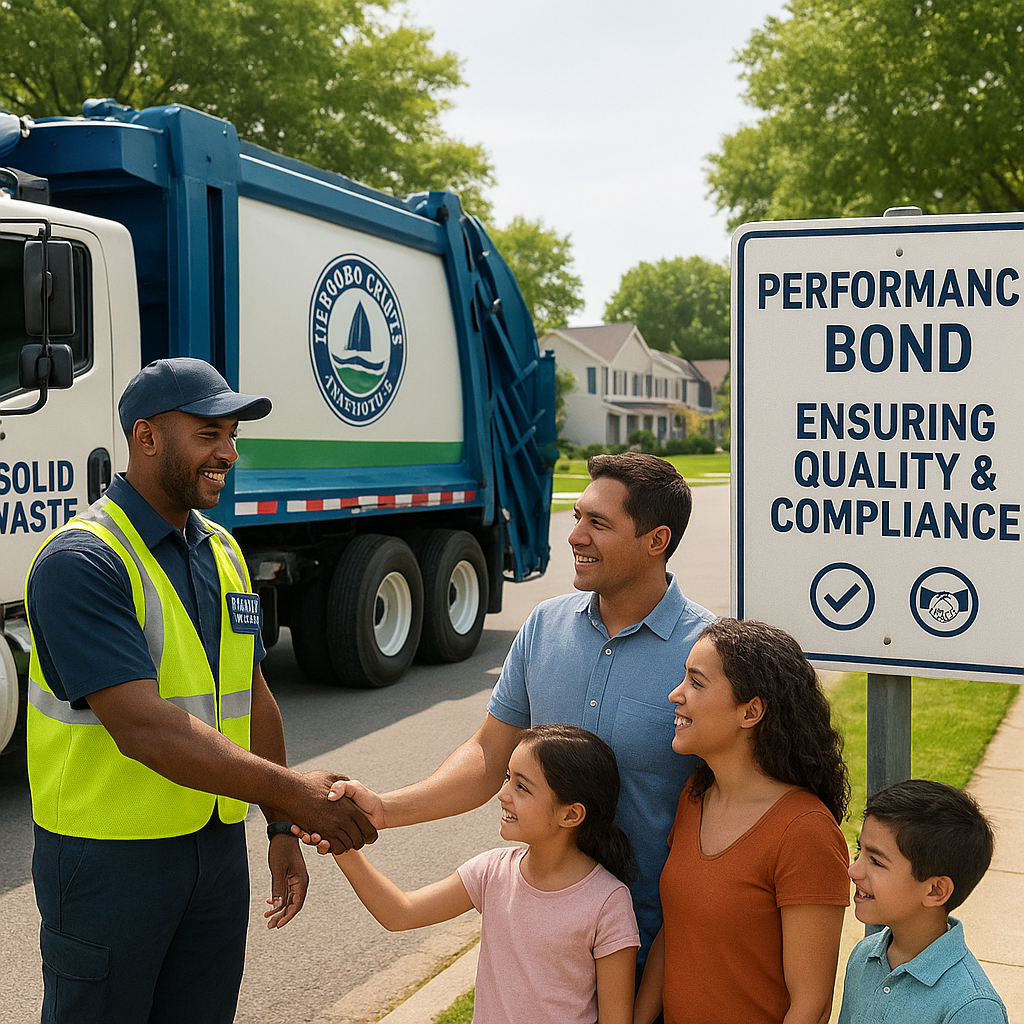
If you haul trash, recycling, or construction debris in Harford County, Maryland, you’ve probably heard whispers about something new. Maybe you saw a notice from the county, or a fellow hauler mentioned it over coffee. The rules are changing, and at the center of it all is a single, important piece of financial security: a performance bond. This isn’t just another layer of red tape; it’s a promise to the community that your work will be done right, and it’s quickly becoming the standard for solid waste operations in this corner of MD.
So, what does this mean for you? Whether you’re an independent hauler with one truck or manage a fleet of vehicles, understanding Harford County’s new solid waste hauler performance bond requirement is now a must. Let’s break it down in plain language—no confusing legal speak, just the facts you need to keep your business moving forward.
What Exactly Is a Solid Waste Hauler Performance Bond?
Think of a performance bond like a security deposit for grown-up businesses. When you rent an apartment, you put down a deposit to cover any damage you might cause. A performance bond works in a similar way, but on a much larger scale and specifically for your contractual or regulatory obligations. In Harford County, it’s a written guarantee that you’ll follow all the rules tied to your solid waste hauling permit. If you don’t—say you abandon a route mid-contract, fail to clean up waste properly, or damage public property—the bond steps in to cover the costs of fixing the problem. It’s not insurance for you; it’s protection for the county and its residents.
Behind the scenes, three parties are involved. The hauler is the “principal,” Harford County is the “obligee” (the one requiring the bond), and a surety company is the “surety” that backs the promise. The surety says, “We believe this hauler will do the job. If not, we’ll pay up to the bond amount.” And yes, you’d have to pay the surety back later. It’s a credit-backed promise, not a gift.
Why Is Harford County Rolling This Out Now?
You might wonder, why the sudden focus on waste hauler compliance? Harford County, like many places in Maryland, is managing rapid growth and increasing pressure on its infrastructure. More homes, more businesses, and more construction sites all mean more waste. The county wants to avoid situations where a hauler falls short and taxpayers are left with the cleanup bill. A performance bond ensures there’s a dedicated pool of money to draw from without chasing down an unreliable operator through the courts.
Beyond finances, it’s about accountability. When a bond is on the line, haulers have a powerful incentive to maintain their trucks, honor service schedules, and dispose of waste at approved facilities instead of taking illegal shortcuts. It levels the playing field, too. Haulers who invest in doing things the right way won’t be undercut by competitors who cut corners and then disappear when problems arise. In short, the bond requirement is a tool to keep Harford County clean, safe, and fair for everyone doing business here.
Who Needs to Pay Attention to This Bond?
If your work involves collecting, transporting, or disposing of solid waste within Harford County, it’s time to sit up straight. This applies to a wide range of haulers:
- Residential waste and recycling pickup services.
- Commercial dumpster rental companies servicing restaurants, offices, and retail centers.
- Construction and demolition debris haulers moving materials from job sites.
- Roll-off container providers and compacting truck operators.
- Any hauler operating under a county-issued solid waste permit.
Even if you’re a subcontractor working for a larger firm, the county may require you to be individually bonded. The best move is to review your permit renewal paperwork carefully. If the term “performance bond” appears, you’re on the list. Don’t assume someone else handles it—lack of a required bond can lead to suspended permits, fines, or being barred from bidding on county contracts.
How Does This Differ From Regular Insurance?
This is one of the most common head-scratchers. You already pay for commercial auto insurance, general liability, and maybe pollution coverage. Why add a bond on top of that? The key difference is who gets protected. Your insurance policies are designed to protect your business from accidents, lawsuits, and unexpected losses. A performance bond protects a third party—Harford County and its citizens—from your failure to perform as promised. If a covered event happens, insurance might pay for damage to your truck, while the bond might pay for the cost of hiring another hauler to finish your incomplete route. They complement each other, but they don’t replace one another.
How Much Does the Bond Cost, and What Amount Is Required?
Now for the part everyone wants to know: dollars and cents. The required bond amount is set by Harford County and can vary based on the scale of your operation. A small hauler with a single truck might need a bond for $10,000 or $25,000, while a larger company handling tens of thousands of tons of waste annually could see requirements reaching $100,000 or more. You won’t pay that full amount upfront. Instead, you pay a premium, usually a small percentage of the total bond. For a well-qualified applicant, the premium might hover between 1% and 3% of the bond amount annually. So, a $25,000 bond could cost as little as $250 to $750 per year. If your credit has a few bumps, the rate might be a bit higher, but bonds remain far more affordable than the face value suggests.
Steps to Securing Your Harford County Waste Hauler Bond
Getting bonded doesn’t have to be a headache if you break it down. Here’s the typical path:
- Confirm the exact bond amount and form: Harford County will give you a bond form or specify the exact language they require. Take no shortcuts here—wrong wording can invalidate the bond.
- Contact a surety bond provider: Look for an agency experienced in commercial bonds in Maryland. They’ll understand local regulations and can often get things moving fast.
- Complete an application: You’ll share some basic business information, and they’ll usually run a soft credit check. For larger bonds, financial statements may be requested.
- Receive a quote and pay the premium: Once approved, you’ll pay the annual premium and the bond becomes active.
- File the bond with Harford County: Keep a copy for yourself and provide the original, sealed bond to the county as part of your permit package.
Renewal typically happens yearly, often aligned with your permit expiration. Mark your calendar well in advance—letting a bond lapse can shut down your operations overnight.
Staying Compliant and Avoiding Claims
A performance bond isn’t something you can just buy, file away, and forget. A claim against your bond is a serious event. It means the county is saying you didn’t meet your obligations and it’s pulling money from the bond to cover the fallout. If that happens, you’ll owe the surety every dollar paid out, plus potential legal fees. Your future bonding ability could evaporate, and your reputation in Harford County will take a hit that’s hard to recover from.
To steer clear of claims:
- Read and understand every permit condition. Does your permit require specific disposal sites, record-keeping, or vehicle maintenance logs? Follow them to the letter.
- Communicate proactively. If a mechanical breakdown or weather event disrupts your service, inform the county and your customers immediately. Transparency often prevents small problems from growing into formal complaints.
- Keep impeccable records. Document waste disposal tickets, route sheets, and customer communications. If a dispute arises, solid records are your best defense.
- Honor contract terms with clients. Many bonds also cover your agreements with property owners or businesses. Don’t overpromise and underdeliver.
What If You’re Just Starting Out or Run a Tiny Operation?
New and small haulers sometimes worry that bonding requirements will push them out of the market. While it’s an extra step, it’s rarely a dealbreaker. In fact, carrying a performance bond can be a competitive advantage. It tells customers, “I’m serious, I’m accountable, and the county trusts me enough to accept my bond.” Many property managers and construction firms will specifically ask for proof of bonding before signing a contract. Once you have that bond in hand, it becomes part of your professional toolkit.
If your credit isn’t perfect, you might need to work with a surety company that specializes in higher-risk situations. The premium will be a little steeper, but it’s a bridge to building a track record. Over time, as you show reliable service and financial stability, your premium can drop.
Bringing It All Together
Change can feel daunting, especially when it comes to government requirements. But Harford County’s solid waste hauler performance bond is really about raising the bar for everyone. It’s a clear signal that the county values reliable waste service and wants to protect its neighborhoods and natural spaces from the mess of failed operations. For haulers ready to step up, the bond is a badge of credibility. It says you’re not just here to make a quick buck—you’re here to build a sustainable business that the community can count on, year after year.
As the new requirements roll out, take a moment to gather your paperwork, connect with a trusted Maryland surety bond professional, and get ahead of the curve. Don’t wait until your permit renewal lands on your desk and you realize you’re missing this critical piece. A little preparation now saves you from rushed decisions, higher costs, and unwanted downtime. Keep hauling, keep serving, and let your bond do the talking—your business and Harford County will be better for it.