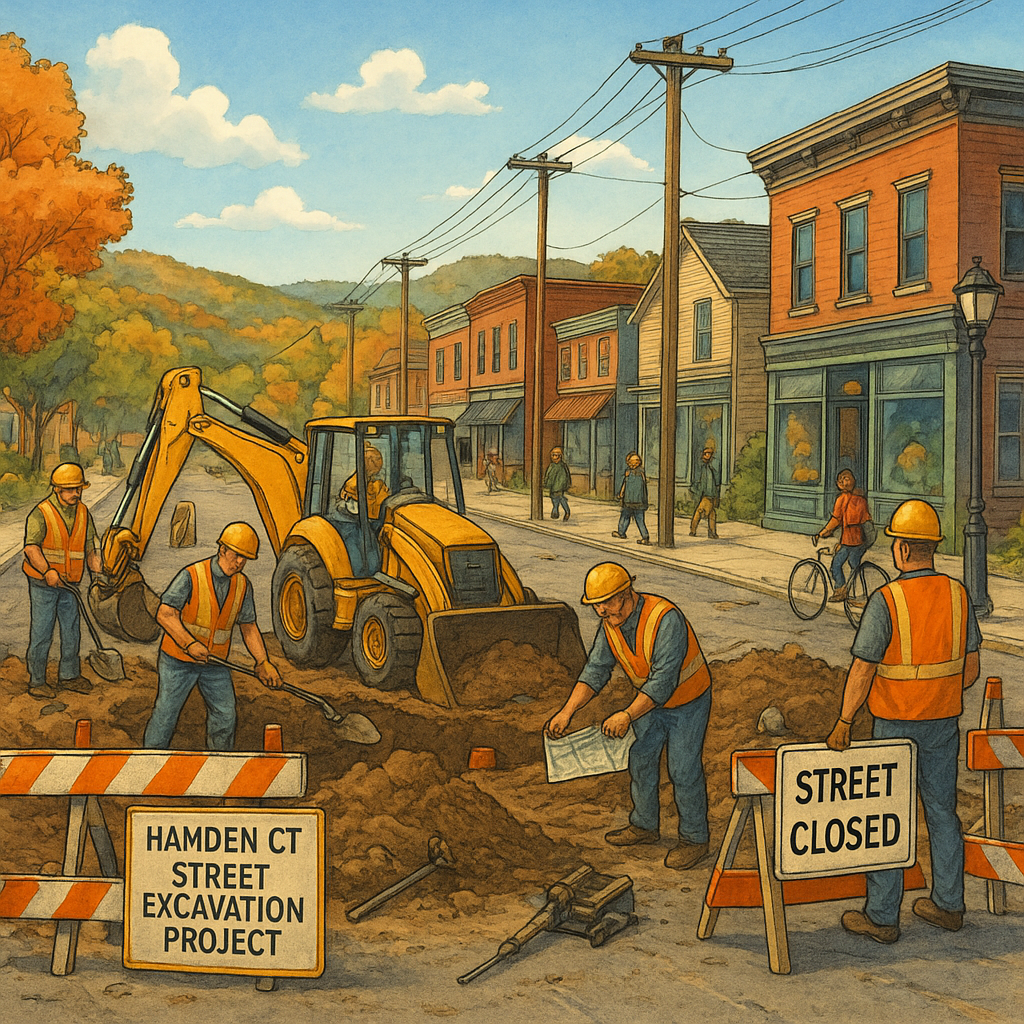
If you’re a contractor, utility company, or even a homeowner planning to dig into the streets of Hamden, Connecticut, you may have heard whispers about a new requirement. Yes, the Town of Hamden has updated its process for street excavation permits, and a surety bond is now part of the equation. But don’t let the term “bond” make your head spin. It’s actually a pretty straightforward safety net—for you and for the town. Let’s break it all down in plain English, step by step.
Why Did Hamden Change the Rules?
Picture this: A contractor opens up a road to repair a water line. Months later, the patch job sinks, creating a pothole the size of a kiddie pool. The town is left holding the bag, spending taxpayer dollars to fix it. Frustrating, right? Hamden saw this happen too often. The new permit and bond process is designed to make sure that whoever digs the hole takes full responsibility for putting everything back the way it was—or better. It’s all about protecting public roads and keeping our neighborhoods safe and smooth.
What Exactly Is a Street Excavation Bond?
Think of a street excavation bond as a promise backed by money. Let’s use a simple analogy. When you rent an apartment, you often pay a security deposit. If you leave the place trashed, the landlord keeps the deposit to cover repairs. A bond works the same way, but instead of handing over cash, you purchase a bond from a surety company. That bond tells the town, “If this contractor doesn’t restore the street properly, we’ll pay up to a certain amount to fix it.”
In Hamden, this is a type of surety bond specifically for street openings. It’s not insurance for the contractor; it protects the town and its residents. If the work is done right and the road is restored to the town’s standards, the bond stays intact and eventually expires without anyone paying a dime beyond the initial bond premium.
Isn’t This Just More Red Tape?
It’s natural to feel that way. But look at it from the town’s perspective: roads are massive public assets. A poorly done excavation can lead to sinkholes, water main breaks, and expensive emergency repairs. The bond creates a financial incentive to do the job correctly the first time. In the long run, it can actually speed up the approval process because the town has a clear way to handle any problems without chasing someone through court.
Who Needs a Hamden Street Excavation Permit and Bond?
The short answer: anyone cutting into or disturbing a public street, sidewalk, or right-of-way. This includes:
- Utility companies installing or repairing gas, water, electric, or telecom lines.
- Plumbers and drainage contractors connecting services.
- Driveway installers who need to cut the curb and transition apron.
- General contractors working on new construction that ties into municipal utilities.
- Homeowners? In some cases, yes. If you’re hiring a contractor to run a new sewer line, the contractor typically pulls the permit and bond. But if you’re doing the work yourself, you may need to navigate this process personally.
How the New Permit Process Works, Step by Step
Hamden has streamlined the application process, but there are still clear hoops to jump through. Here’s what you can expect:
1. Start with a Plan
Before you even touch a shovel, you’ll need a detailed site plan showing where the excavation will happen, the dimensions, and how you intend to restore the surface. The town wants to see that you’re using proper materials and techniques. Don’t worry—the Department of Public Works (or Engineering Department) can tell you exactly what they require.
2. Submit Your Permit Application
You’ll fill out a street excavation permit application with the Town of Hamden. This form asks for basic information: who you are, what you’re doing, how long it will take, and your contractor license number (if applicable). There’s usually a permit fee, which covers the town’s time to review and inspect the work.
3. Obtain the Street Excavation Bond
This is the new part that catches many off guard. The town will specify a bond amount. For smaller jobs, it might be a few thousand dollars. Larger, longer projects could require a bond of $25,000 or more. To get the bond, you contact a surety bond agency. They’ll ask a few questions about your business and credit. Good credit? The bond might cost only 1–3% of the total amount. Even with less-than-perfect credit, bonds are often available, just at a slightly higher rate. You pay the premium, and the bond is issued.
4. Get Approval and Start Digging
Once the permit is approved and the bond is on file, you’ll receive the green light. The town may give you specific conditions—like hours when you can work, how to handle traffic, and the timeline for temporary patches. Follow these to the letter to avoid complaints or fines.
5. Restore and Final Inspection
After the underground work is complete, you’ll backfill the trench, compact the soil, and apply a temporary or permanent patch as required. The town will inspect the restoration. If everything looks good, the bond is released or expired after a maintenance period (often 6 months to a year) to make sure the patch holds up through weather changes.
How Much Does a Hamden Street Excavation Bond Cost?
Let’s get to the number everyone cares about. The bond amount is not what you pay; it’s the maximum coverage. You pay a small fraction as a premium. For example:
- A $10,000 bond might cost as little as $100 to $300 per year.
- A $50,000 bond could run $500 to $1,500.
The exact price depends on your personal credit, business financials, and the surety company’s rates. Many contractors find the cost surprisingly manageable—especially when weighed against the potential liability of a road collapse.
Common Questions Contractors Ask
“Do I need a bond for every single job?” Not necessarily. Some contractors carry a blanket bond that covers multiple projects under one umbrella. If you do frequent street work in Hamden, ask the town if a multi-purpose bond or annual coverage is acceptable. It can save time and paperwork.
“What happens if I don’t get a bond?” Your permit won’t be issued. Digging without a permit can lead to stop-work orders, hefty fines, and a lien on your business. It’s just not worth the risk.
“Can a homeowner purchase this bond?” Technically yes, but surety companies typically only bond licensed contractors. If you’re a DIY homeowner, the town might require a cash deposit in lieu of a bond. Call Hamden’s Engineering office to discuss your specific situation.
Why This Change Is Good News for Everyone
At first glance, a new bond requirement feels like another hurdle and another check to write. But step back and look at the big picture. The Hamden street excavation bond levels the playing field. Responsible contractors who do quality work aren’t undercut by fly-by-night operators who cut corners on restoration. The streets stay in better shape, which means safer driving and less tax money spent on premature repaving. It’s a classic win-win.
Plus, having a bond can boost your reputation. You can tell clients, “We’re fully bonded for street work in Hamden.” That signals professionalism and financial accountability. It’s a marketing advantage hidden in plain sight.
Getting Started on Your Hamden Excavation Project
Ready to tackle that underground job? Here’s a quick checklist:
- Visit the Town of Hamden website or call the Public Works/Engineering Department to get the latest permit application and bond amount requirements.
- Gather your site plan, contractor license, and proof of insurance.
- Reach out to a surety bond specialist who understands municipal bonds. They can quote you in minutes and guide you through the paperwork.
- Submit everything together to avoid delays.
- Perform the work with care, and keep the inspection team in the loop.
The Bottom Line
Change can be intimidating, but Hamden’s new street excavation permit and bond process is rooted in common sense. It’s a protective measure that benefits the community while offering contractors a clear, enforceable standard. By understanding the steps and embracing the bond as a tool rather than a burden, you’ll be digging smarter and building trust with every trench you open. Have more questions? Drop a comment below or call the town directly—they’re there to help, not to trip you up.