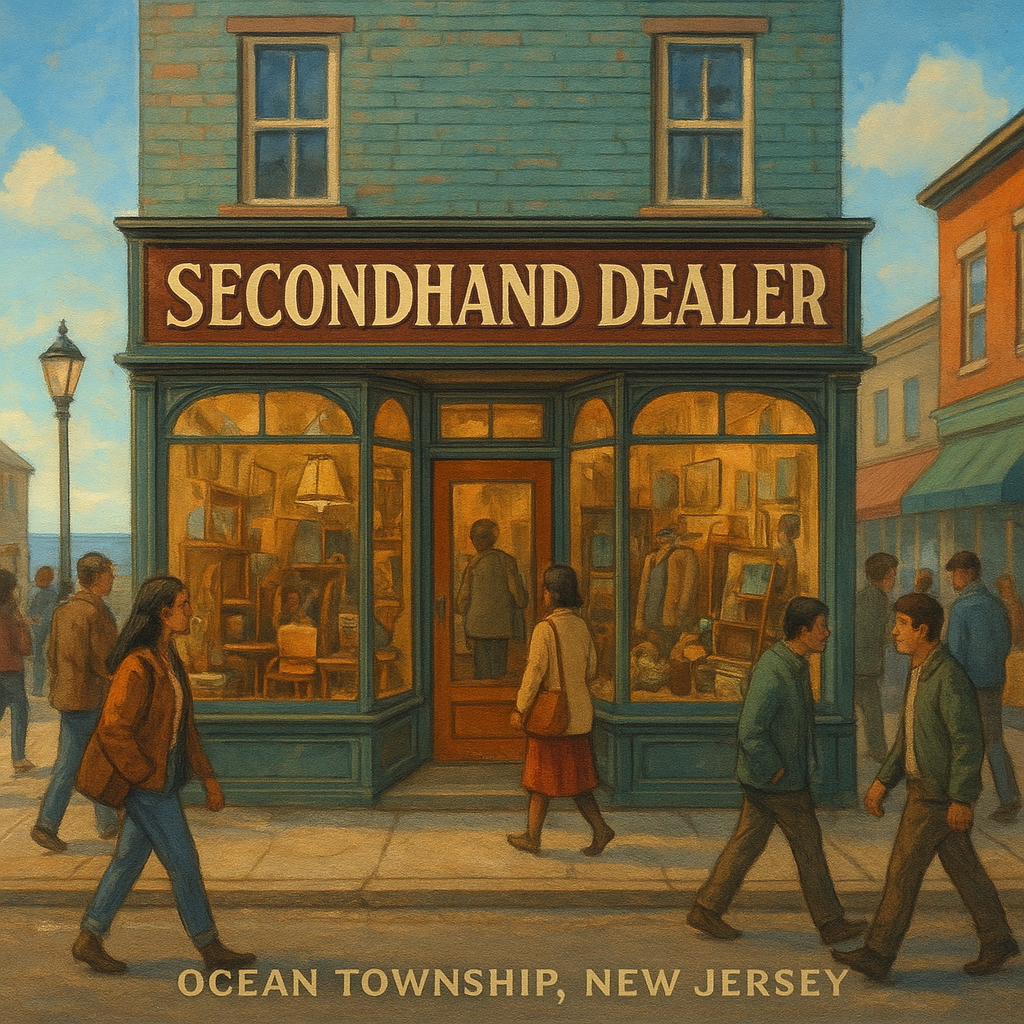
Picture this: You walk into a cozy thrift shop along Monmouth Road, the scent of old books and vintage denim in the air. A gleaming mid-century lamp catches your eye—at a price that makes you do a double take. But have you ever stopped to wonder what makes that transaction so smooth and trustworthy? Behind the scenes of Ocean Township’s bustling secondhand market lies a little hero called the secondhand dealer bond. It might sound like paperwork, but it’s really a promise wrapped in a financial safety net.
If you’re thinking about starting a resale business here, or you’re simply curious about what keeps the local vintage scene honest, you’re in the right place. We’re going to break everything down in plain, everyday language—no legal jargon, no head-scratching terms. Let’s explore why this bond matters, how it protects Ocean Township residents, and what it means for the people turning pre-loved treasures into thriving businesses.
What Exactly Is a Secondhand Dealer Bond?
Think of a secondhand dealer bond as a security deposit with a purpose. Instead of plunking down a pile of cash at town hall, a dealer buys a bond from a surety company. This bond acts as a three-way promise. The dealer promises to follow Ocean Township’s rules when running their shop. The surety company promises to cover financial losses if the dealer messes up. And the township—along with its residents—gets a guarantee that someone’s got their back.
It isn’t insurance for the dealer. If the bond pays out a claim, the dealer has to pay every penny back to the surety company. So, it’s more like cosigning a loan with a very responsible friend who trusts you’ll do the right thing.
Many people confuse bonds with insurance. Here’s an easy way to keep them straight: insurance protects you from life’s surprises; a bond protects the public from surprises you might cause. Simple, right?
Why Does Ocean Township, NJ Require This Bond?
Ocean Township isn’t just throwing red tape at small businesses. The requirement stems from a very practical concern. Secondhand dealers sit at a unique crossroads. They handle goods that once belonged to someone else—jewelry, electronics, musical instruments, sports gear. Without safeguards, stolen items could easily slip into inventory, leaving victims with no recourse and police with cold trails.
The bond requirement, paired with a license, helps law enforcement track what flows through resale shops. It also gives the township a financial hammer if a dealer knowingly buys and sells stolen property or breaks other local ordinances. In other words, the bond keeps the market fair for honest dealers and hostile to anyone trying to make a quick buck off someone else’s misfortune.
You might be asking, “Is this only a big-city thing?” Not at all. Ocean Township, with its blend of suburban charm and coastal bustle, sees a constant churn of household goods. From estates in Wanamassa to yard sales in Oakhurst, the supply of secondhand items is enormous. That vibrant turnover makes regulation essential—and the bond becomes the backbone of that oversight.
Who Needs a Secondhand Dealer Bond in Ocean Township?
If you’re operating a business that buys, sells, or trades used goods, chances are you fall under this umbrella. That includes classic thrift stores, consignment boutiques, pawnshops, antique dealers, and even online sellers who maintain a physical presence within township limits. The key trigger is the “secondhand” nature of the merchandise. New-in-box items usually don’t count, but the vintage typewriter or refurbished smartphone certainly does.
The township clerk’s office can clarify whether your specific model needs a bond. But generally, if you need a secondhand dealer license, you’ll need the bond alongside it. Think of them as a package deal—like a surfboard and a leash. One isn’t much good without the other.
How the Bond Protects the Community (And Your Wallet)
Let’s make this tangible. Suppose someone breaks into a home near Deal Lake and steals a guitar. Two weeks later, that guitar surfaces at a local resale shop. If the dealer didn’t follow proper record-keeping rules—say they failed to log the seller’s ID—the victim might struggle to recover the instrument or get compensation. Here’s where the bond steps in.
A harmed party can file a claim against the bond to recoup losses up to the bond amount. For the township, this means fewer bitter disputes and more confidence in local commerce. For the dealer, it means a avoidable mistake won’t necessarily close their doors. The bond absorbs that first shock while signaling to customers, “We play by the rules.”
That signal is priceless. In a market saturated with online marketplaces, trust is the currency that keeps brick-and-mortar alive. Displaying a license backed by a bond tells walk-ins that Ocean Township has vouched for your credibility. It’s like a Good Housekeeping seal for the secondhand world.
How to Get a Secondhand Dealer Bond in Ocean Township, NJ
Navigating the process feels less like a maze and more like a short checklist. First, confirm the required bond amount with the township. In many New Jersey municipalities, the figure sits between $1,000 and $10,000, often pegged at $2,500 or $5,000. Ocean Township will give you the exact number. Don’t guess—calling the clerk’s office saves time and frustration.
Next, approach a licensed surety company or a bond agency. You’ll fill out a simple application that asks about your personal credit, business history, and any prior bond claims. Honestly, for most applicants, this takes less than fifteen minutes. The underwriter then evaluates the risk and quotes a premium. That premium is the price you pay; it’s only a small percentage of the total bond amount.
Once approved, the surety issues the bond form. You’ll sign it and file it with Ocean Township along with your license application. The township keeps the original on file, and you’re free to open your doors. The whole journey from inquiry to approval can often wrap up within a couple of business days—sometimes even the same day if your paperwork is spotless.
What Influences the Cost of Your Bond?
The premium you pay depends mostly on your credit score, but that’s not the whole story. A strong credit history could snag you a rate as low as 1% of the bond amount. So on a $5,000 bond, you might pay only $50 a year. If your credit has a few dings, the rate might climb to 5% or more, but it’s still quite manageable compared to other startup expenses.
Other factors include business experience and whether you’ve had claims on past bonds. A thoughtful move is to pull your own credit report before applying. Fixing small errors or paying down a tiny balance can sometimes bump your score enough to drop the premium noticeably. It’s like cleaning the house before guests arrive—a little effort yields a much better impression.
Reviving Treasures, Building Trust: The Bigger Picture
Ocean Township’s secondhand market isn’t just about dusty shelves and bargain hunts. It’s a canvas for sustainability. Every resold lamp or pre-owned bicycle keeps usable goods out of landfills and stretches family budgets. The bond requirement, quiet as it seems, fuels that ecosystem by filtering out bad actors and giving honest entrepreneurs a badge of reliability.
Think about this: a young couple furnishes their first apartment almost entirely from secondhand finds. A music student scores a vintage saxophone that would have cost triple brand-new. A collector discovers a rare comic book tucked behind old magazines. All these small joys rest on an invisible foundation of regulations and financial guarantees that keep the stream of goods clean.
So when you wander through a resale shop and spot that license on the wall, you’re glimpsing more than a frame. You’re seeing a network of promises—the dealer’s commitment to integrity, the surety company’s pledge to the public, and the township’s dedication to a safe marketplace. It’s community economics at its most quietly effective.
Common Hiccups and How to Avoid Them
Even the smoothest processes can trip over small details. One frequent snag is letting the bond lapse. Most bonds run for a year and need renewal before the expiration date. If you forget, the township might suspend your license—and reopening could mean starting from scratch. Treat the renewal like you would a driver’s license renewal; mark it on the calendar in bright red.
Another pitfall is misunderstanding the bond’s coverage. The bond won’t protect you if an employee steals, or if a customer slips on a wet floor. That’s what general liability and theft insurance handle. The bond solely guarantees your compliance with the secondhand dealer ordinance. Keeping all three layers—bond, insurance, and common sense—serves you best.
Finally, always keep meticulous records of every item you buy. That means photo IDs of sellers, detailed descriptions, and transaction dates. In the event of a claim, proper logs can dissolve accusations quickly. They’re the unsung proof that you run a tight ship.
Embracing the Spirit of Ocean Township’s Resale Renaissance
More than ever, people are rediscovering the thrill of the hunt. The online world offers endless options, but it can’t replicate the feeling of holding a treasure in your hands before buying. Ocean Township’s secondhand dealers offer that tactile magic daily—and the bond program ensures that magic isn’t tarnished by fraud or negligence.
If you’re on the fence about launching a resale business here, let this be your nudge. The bond might feel like an extra step, but it’s truly a stepping stone. It elevates your shop’s standing and aligns you with a community that values responsibility. And for shoppers, understanding this little piece of background turns every thrift trip into a treasure hunt with peace of mind.
So next time you pass a “Secondhand Dealer Licensed by Ocean Township” sign, you’ll know the story behind it. You’ll know that beneath every bargain lies a carefully woven safety net. And that—perhaps more than any vintage find—is something worth celebrating.