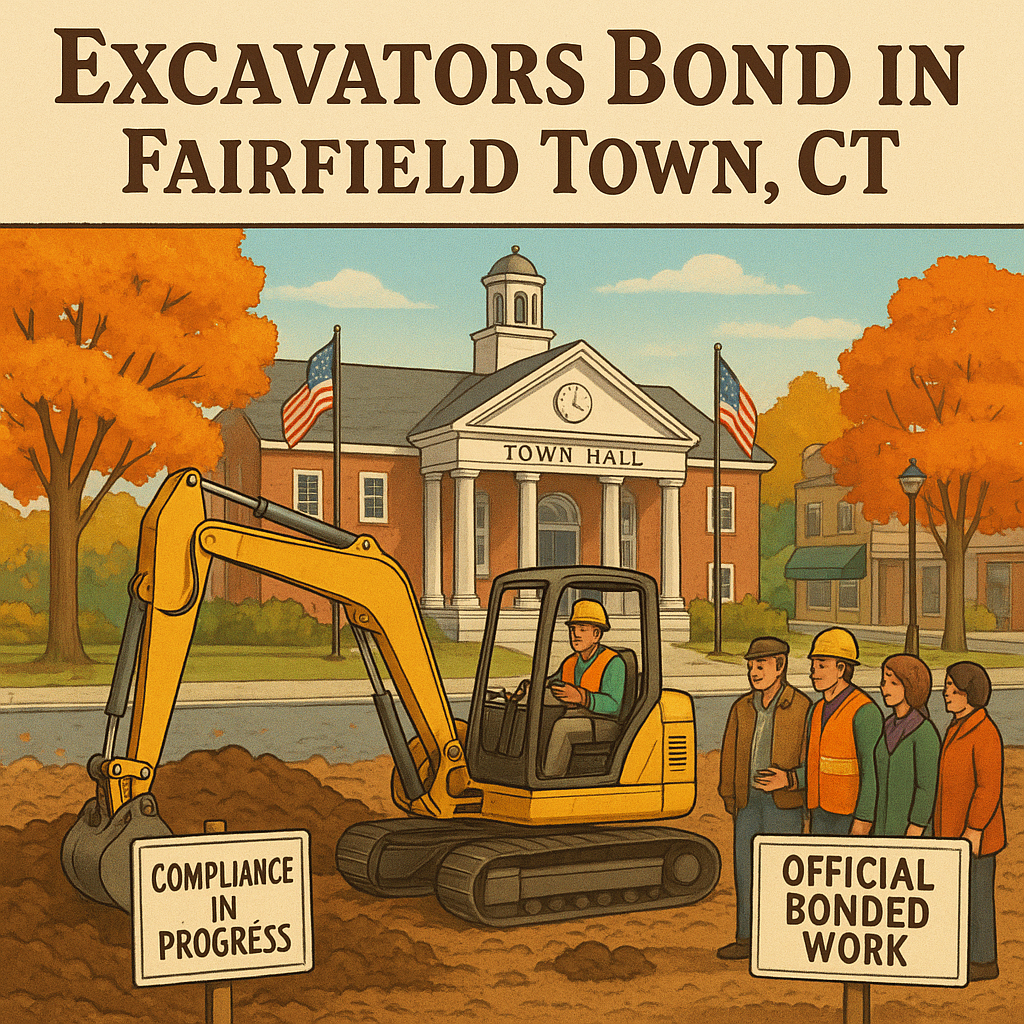
If you’ve been following local construction news, you might have noticed some chatter about new rules for excavation contractors in Fairfield, Connecticut. Whether you’re a homeowner planning a backyard project, a seasoned contractor, or just someone who likes to stay informed, it’s worth understanding what’s changing and why it matters. The town has rolled out a fresh compliance requirement centered around an official excavators bond. But what does that actually mean for the people who dig up earth for a living—or for the folks hiring them?
Let’s break it all down in plain, everyday language. No legal jargon, no confusing fine print. Just the facts you need, served up conversationally.
Why a Bond? Understanding Fairfield’s Motivation
Think of a bond as a safety net. When an excavation contractor takes on a job, they’re often working near underground utilities, sidewalks, roadways, and public property. One small mistake can lead to a broken water main, a damaged gas line, or a collapsed trench. Repairing those mishaps isn’t cheap, and someone has to foot the bill.
Fairfield’s new requirement ensures that if something goes wrong and the contractor is at fault, there’s money set aside to cover the damages. The town is essentially saying: “We want to protect our infrastructure and our residents.” The official excavators bond acts as a financial promise that contractors will follow the rules and make things right if they don’t.
What Is a Fairfield CT Official Excavators Bond, Exactly?
An excavators bond is a type of surety bond. If you’ve ever rented an apartment and paid a security deposit, you’re already familiar with the basic concept. With an apartment, you hand over a deposit upfront to cover any damage you might cause. The bond works similarly, only instead of cash, you purchase a bond from a surety company. That bond guarantees payment up to a certain amount if you fail to meet the town’s standards.
In Fairfield, this bond is labeled as “Compliance Only.” That means it’s specifically designed to ensure that excavation contractors comply with local regulations, codes, and permit requirements. It’s not about insuring the contractor’s own tools or equipment. It’s about protecting public property, underground lines, and the community at large.
Compliance Only—What Does That Tell You?
The phrase “compliance only” might sound a little bureaucratic, but it’s actually helpful. It signals that the bond exclusively covers regulatory compliance issues. If a contractor digs without the right permit, damages a town-owned utility line, or backfills improperly, the bond can be tapped to cover repairs or fines. It doesn’t replace general liability insurance—it’s an extra layer focused squarely on following the town’s excavation rules.
Who Needs This Bond in Fairfield?
If you’re an excavation contractor working within the Town of Fairfield, CT, you’ll likely need to secure this bond before you can pull permits or start certain types of jobs. The requirement applies to professionals who dig, grade, trench, or do any sort of subsurface work that could impact public spaces or utilities.
Are you a general contractor who only occasionally handles small digging tasks? It’s best to check directly with the town’s building or public works department. But the trend is clear: anyone performing excavation work that disrupts soil near public rights-of-way or sensitive infrastructure will need to show proof of bond coverage.
How the Bond Protects Homeowners and the Town
Imagine you hire a contractor to install a new drainage system in your front yard. Midway through the project, their backhoe accidentally slices through a fiber-optic cable, knocking out internet service for the entire block. Without the bond, you might be stuck in a messy dispute over who pays for the repair. But with the bond in place, the town has a straightforward path to getting those damages covered quickly.
That peace of mind is invaluable. Homeowners and the town can breathe easier, knowing a financial buffer exists. It also discourages contractors from cutting corners because they have a strong incentive to comply with all safety and permit rules.
What’s the Cost and How Do You Get One?
Here’s an analogy: buying a surety bond is a lot like getting insurance, except the risk is evaluated a little differently. The bond amount—say, $10,000 or $25,000—isn’t the price you pay. You only pay a small premium, typically a percentage of that total amount. That percentage depends on your credit history, business financials, and experience.
For a well-qualified contractor, an excavation bond might cost just a few hundred dollars per year. It’s a manageable business expense that opens the door to more jobs in Fairfield. To get started, you’d reach out to a licensed surety bond agency. They’ll walk you through a quick application, ask for some basic information, and provide a quote. Once approved, you’ll receive the bond paperwork to file with the town.
Steps to Secure Your Fairfield Excavators Bond
- Confirm the required bond amount with the Town of Fairfield. Call the building department or check the official town website. Bond amounts can vary based on the scope of work.
- Choose a reputable surety bond provider. Look for agencies that specialize in contractor bonds and understand Connecticut municipal requirements.
- Complete the application. You’ll need to provide your business name, address, contact details, and possibly financial statements. Personal credit may be checked for small businesses.
- Pay the premium. Once approved, pay the annual premium to activate your bond.
- File the bond with Fairfield. The surety company will give you a bond form to submit to the town. Keep a copy for your records.
Staying Compliant: What Happens If You Don’t Have the Bond?
Let’s be honest—nobody wants extra paperwork. But trying to bypass the bond requirement can lead to major headaches. If you’re caught excavating without the proper bond, you might face stop-work orders, fines, or even revocation of your contractor registration. Worse, your reputation could take a hit. Homeowners and developers are becoming more aware of these rules, and they’re likely to ask for proof of bonding before signing a contract.
Think of the bond as a badge of professionalism. It tells customers, “I’m serious about doing the job right, and I’m backed by a financial guarantee.” In a competitive market, that can be a real edge.
Common Questions Contractors Have About the New Requirement
Change always sparks questions. Here are a few that keep popping up:
“I already carry general liability insurance. Isn’t that enough?”
Liability insurance protects you against a wide range of risks, but it might not fully satisfy Fairfield’s specific compliance needs. The bond is a targeted guarantee for the town’s infrastructure and regulatory adherence. Think of insurance as a shield for your business, while the bond is a direct promise to the municipality.
“How long does the bond last?”
Most bonds are written for one-year terms, and you’ll need to renew annually. If you maintain good standing, renewals are usually straightforward.
“Can I pass the bond cost to my customers?”
Many contractors factor bonding costs into their overall project pricing. It’s a legitimate business expense, just like fuel or equipment maintenance.
“What if a claim is filed against my bond?”
A claim means someone alleges you caused damage or didn’t comply with codes. The surety company investigates. If the claim is valid, they pay up to the bond amount—but you’re ultimately responsible for reimbursing the surety. That’s why doing the job right from the start is the best strategy.
Why Fairfield Is Moving in This Direction
Fairfield isn’t alone. Many towns across Connecticut are strengthening contractor regulations to protect aging underground utilities and minimize disruptions. Water mains, sewers, gas lines, and telecom cables often run under streets and sidewalks. A single excavation error can be costly and dangerous. By requiring a bond, Fairfield adds a layer of accountability that encourages skilled, careful work.
This move also aligns with broader safety initiatives. The more contractors adhere to Dig Safe laws and permit procedures, the fewer accidents occur. It’s a proactive step that benefits everyone—from the contractor who avoids lawsuits to the family who doesn’t lose water pressure on a Monday morning.
Embracing the Change: A Positive Spin for Contractors
It’s human nature to resist new regulations. But when you look closely, this bond requirement sends a positive signal to the market. It tells homeowners, commercial developers, and project managers that Fairfield is serious about maintaining its infrastructure and ensuring quality work. For the honest, hardworking excavation contractor, that’s a good thing.
By getting bonded, you’re not just complying with a rule—you’re showing the community your commitment to high standards. And that kind of reputation often leads to more referrals, repeat business, and the freedom to bid on larger projects.
Final Thoughts: Digging into Compliance with Confidence
Navigating new compliance rules might feel overwhelming at first, but the Fairfield CT official excavators bond is ultimately a straightforward tool for accountability. It protects the town’s assets, gives homeowners peace of mind, and helps ethical contractors stand out from the crowd.
If you’re an excavation contractor, take a few minutes to gather information about the exact bond amount Fairfield requires for your work. Reach out to a surety bond professional who can guide you through the process. If you’re a homeowner planning a project, don’t be shy about asking your contractor if they’re fully bonded and insured. A little due diligence goes a long way.
Change can be a catalyst for better, safer projects. And in the end, that’s something we can all dig.