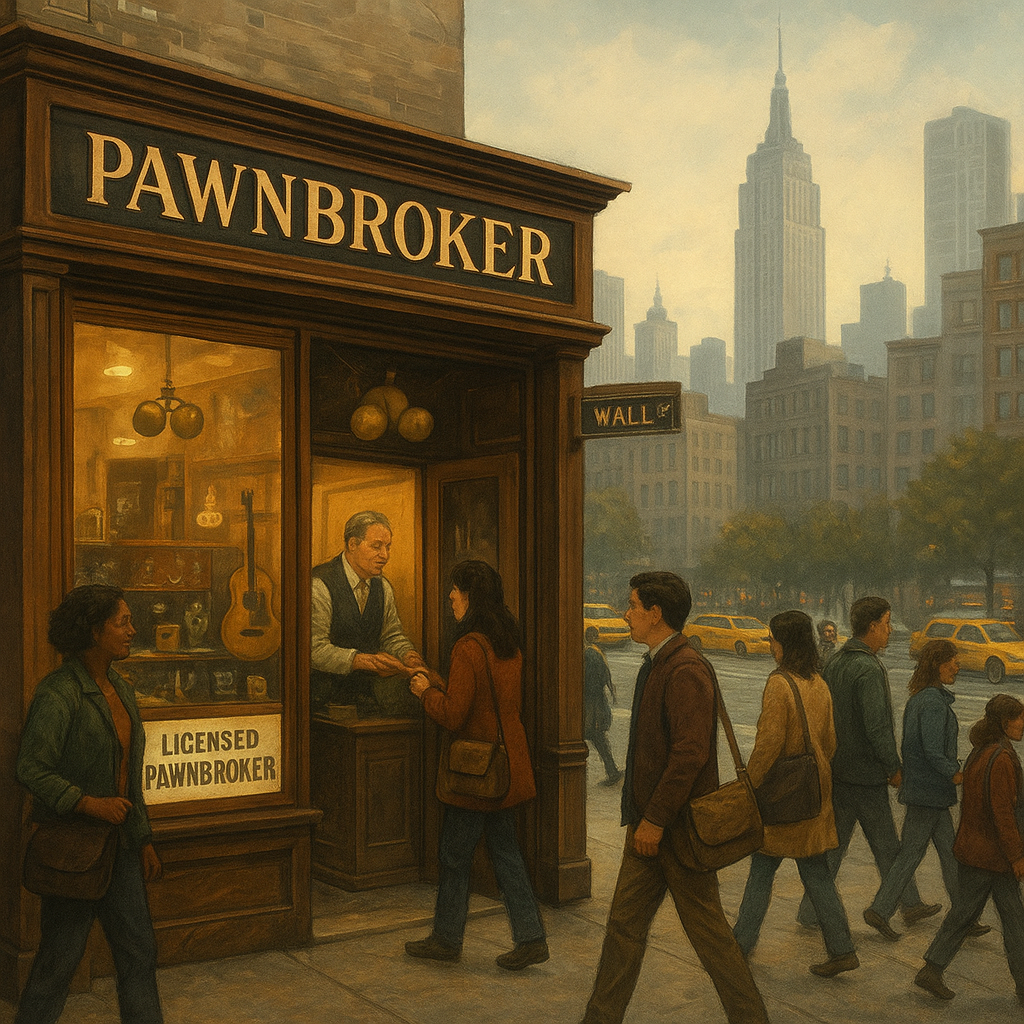
If you’ve ever strolled through a busy New York City neighborhood, you’ve probably spotted a pawnshop with its glowing signs and intriguing window displays. Behind that storefront lies a heavily regulated business, and one of the key requirements to open your doors is something called a Pawnbroker License Bond. It might sound like just another piece of paperwork, but it’s actually the city’s way of building trust between you, your customers, and the community. Let’s break down exactly what this bond is, why it matters, and how you can get one without pulling your hair out.
What Exactly Is a Pawnbroker License Bond?
Think of a pawnbroker license bond as a financial promise. It’s a three-way agreement that involves you (the pawnbroker), the City of New York, and a surety company. When you purchase this bond, you’re essentially saying, “I promise to follow all the rules and regulations that govern pawnbroking in NYC.” If you break that promise in a way that harms a customer or the city, there’s money set aside to make things right.
Contrary to a common misconception, this isn’t insurance for your business. It’s a form of credit extended by the surety company. If a valid claim is paid out, you’ll need to reimburse the surety for every penny. So, it’s more like a safety net for the public than a shield for you. The specific bond we’re talking about here is the City of New York – Pawnbroker License (080) Bond, often called a third-party bond because it protects anyone who might be harmed by your actions.
Why Does New York City Require This Bond?
New York City is famous for protecting its residents, and the pawnbroker bond is a perfect example of that philosophy in action. Pawnshops handle valuable personal property every day, from family heirlooms to high-end electronics, and customers need to know their items won’t vanish or get mishandled. The bond ensures there’s a clear path to compensation if a pawnbroker engages in dishonest behavior, such as selling an item without the right to do so, failing to return collateral after a loan is repaid, or violating the city’s strict reporting requirements for stolen goods.
Essentially, the bond gives everyone a reason to sleep better at night. The city can enforce its laws, customers have a financial backstop, and honest pawnbrokers can differentiate themselves in a competitive market. Without this requirement, the pawnbroker industry would struggle to gain the public trust it needs to thrive.
Third-Party Bond: What Does That Actually Mean?
You’ll hear the term “third-party bond” tossed around, and it’s simpler than it sounds. The three parties involved are:
- The Principal: That’s you, the pawnbroker. You’re required to purchase the bond and are responsible for following the rules.
- The Obligee: This is the City of New York. The bond is for their benefit, and they enforce its terms. They’re the ones who demand the bond as a condition of getting your license.
- The Surety: The company that issues the bond and guarantees payment if you fail to meet your obligations.
So, when we say “third-party,” we’re highlighting that the protection flows outward to the obligee and the public—not back to the pawnbroker. It’s a powerful tool to keep everyone accountable.
Who Needs a Pawnbroker License Bond in NYC?
If you’re planning to operate a pawnshop anywhere within the five boroughs, you’ll almost certainly need this bond. The City of New York requires a Pawnbroker License (License Type 080) to buy, sell, or lend money on personal property. Whether you’re opening a brand-new shop, a second location, or even taking over an existing business, the bond will be a non-negotiable part of your licensing checklist. If your license application doesn’t include a valid bond, the Department of Consumer and Worker Protection (DCWP) won’t process your paperwork.
The bond amount required by the city is $10,000. That’s the maximum amount that can be paid out for claims under the bond. It’s a fixed requirement, so you don’t have to guess or negotiate—you simply need a bond in that amount.
How Does a Pawnbroker Bond Actually Work?
Let’s walk through a real-world scenario. Imagine a customer brings in her grandmother’s vintage watch, gets a small loan, and faithfully pays it back with interest. But when she returns to retrieve the watch, the pawnbroker says the item was “accidentally sold” days earlier. Frustrated and heartbroken, she files a complaint with the city. If an investigation confirms the pawnbroker violated the rules—like selling an item before the holding period expired—the customer could file a claim against the bond.
The surety company would then look into the claim. If it’s valid, they pay the customer up to the $10,000 bond amount. But here’s the catch: the surety will then come to you, the pawnbroker, for full reimbursement plus any legal fees. In that sense, you’re still on the hook. The bond simply guarantees that an aggrieved party doesn’t have to chase you down alone; a financially stable third party steps in first.
Claims can also come from the city itself if you rack up fines for non-compliance and fail to pay them. So, think of the bond as a high-stakes promise with a built-in collection team.
How Much Does a Pawnbroker Bond Cost in NYC?
You don’t pay the full $10,000 to get bonded. Instead, you pay a small percentage of that total, known as the premium. For well-qualified applicants, this premium can be as low as $100 to $300 per year. That’s just 1% – 3% of the bond amount. The exact price depends on a few things:
- Your personal credit score
- Your business financials and experience
- Any prior claims or legal issues
If your credit is a little rocky, don’t panic. Many surety companies offer programs for those with less-than-perfect credit, though the premium might be higher, sometimes climbing into the 5% – 10% range. The key is to shop around and work with a bond agency that can match you with the right market. Even if you’re paying $500 a year, that’s a small price for the ability to legally operate your pawnshop in one of the most vibrant cities in the world.
The Bond Is Just the Beginning: Your Licensing Checklist
Getting bonded is a huge step, but it’s rarely the only one. When you apply for your Pawnbroker License (080), the bond needs to be accompanied by other documentation. This may include your business certificate, proof of identity, a detailed description of your business premises, and sometimes even fingerprints and a background check. The bond is the financial piece that sits alongside these character and operational verifications. Make sure you keep your bond current because letting it lapse can result in a suspended license faster than a New York minute.
Common Questions People Ask About Pawnbroker Bonds
Is a pawnbroker bond the same thing as business insurance?
No, and understanding this difference can save you a lot of trouble. Insurance protects your business from risks like fire, theft, or lawsuits. A bond protects the public and the city from your mistakes. They serve two completely different purposes, and you’ll likely need both.
What happens if someone files a false claim?
False claims do happen, and surety companies are skilled at investigating them. If a claim is proven to be without merit, it won’t be paid. You still need to cooperate and provide all the documentation the surety requests, but a frivolous claim won’t automatically drain the bond. In fact, defending against baseless claims is part of the service you’re paying for.
Can I cancel the bond whenever I want?
Most bonds renew annually, and you have the option to not renew. However, you can’t just cancel it mid-term without potentially triggering a license suspension. If you sell your business or decide to close, you’ll need to follow the proper steps with the city first. The bond is tied to your license, so you must maintain it as long as your pawnbroker license is active.
How to Get Your Pawnbroker Bond in a Few Simple Steps
The process of securing a City of New York – Pawnbroker License (080) Bond doesn’t have to be a bureaucratic nightmare. It usually goes like this:
- Find a Trustworthy Bond Provider: Look for an agency that specializes in surety bonds, not just a general insurance broker. They’ll know the specific NYC requirements and have access to multiple markets.
- Complete a Short Application: You’ll provide basic information about yourself and your business. The application often takes less than ten minutes.
- Get a Quote and Pay the Premium: Once the surety reviews your info, they’ll give you a price. Pay the premium, and the bond can be issued the same day in many cases.
- Submit the Bond to the City: You’ll receive the official bond form, which needs to be filed along with your license application or renewal.
And that’s it! The entire transaction can happen online, making it remarkably painless.
Why This Bond Matters to New Yorkers
Behind all the rules and paperwork, there’s a very human story. Pawnshops often serve people who need quick cash, who may not have access to traditional banking, or who are navigating a financial emergency. The pawnbroker bond ensures these vulnerable transactions have a layer of protection. It says to every person walking through your door, “You matter. Your property matters. And there’s a system in place to back that up.”
For business owners, the bond isn’t just a regulatory hoop to jump through. It’s a badge of credibility. It tells customers that you’ve been vetted and that you’re willing to stand behind your professional responsibilities. In a city where reputation is everything, that kind of trust can set you apart from the competition.
Refresh the Bond and Stay in Good Standing
Once you have your bond, mark your calendar. Most bonds have a one-year term, and you’ll need to renew it annually to keep your license active. If you move locations, change your business structure, or receive any notice from the DCWP about a potential violation, contact your bond provider immediately. Little things can trigger a bond review, and staying proactive prevents messy complications down the road.
Final Thoughts on the NYC Pawnbroker License Bond
Navigating the city’s licensing maze can feel overwhelming, but the pawnbroker bond is actually one of the most straightforward pieces. It exists to protect people, uphold the law, and give your business a solid foundation of trust. By understanding exactly what the bond does, how much it costs, and how to get it, you’re not just checking a box—you’re building a safer, more respectful pawnbroking experience for everyone involved. Whether you’re a first-time entrepreneur or a seasoned shop owner, keeping this bond in place is a smart, simple way to show New York City that you mean business—the honest way.