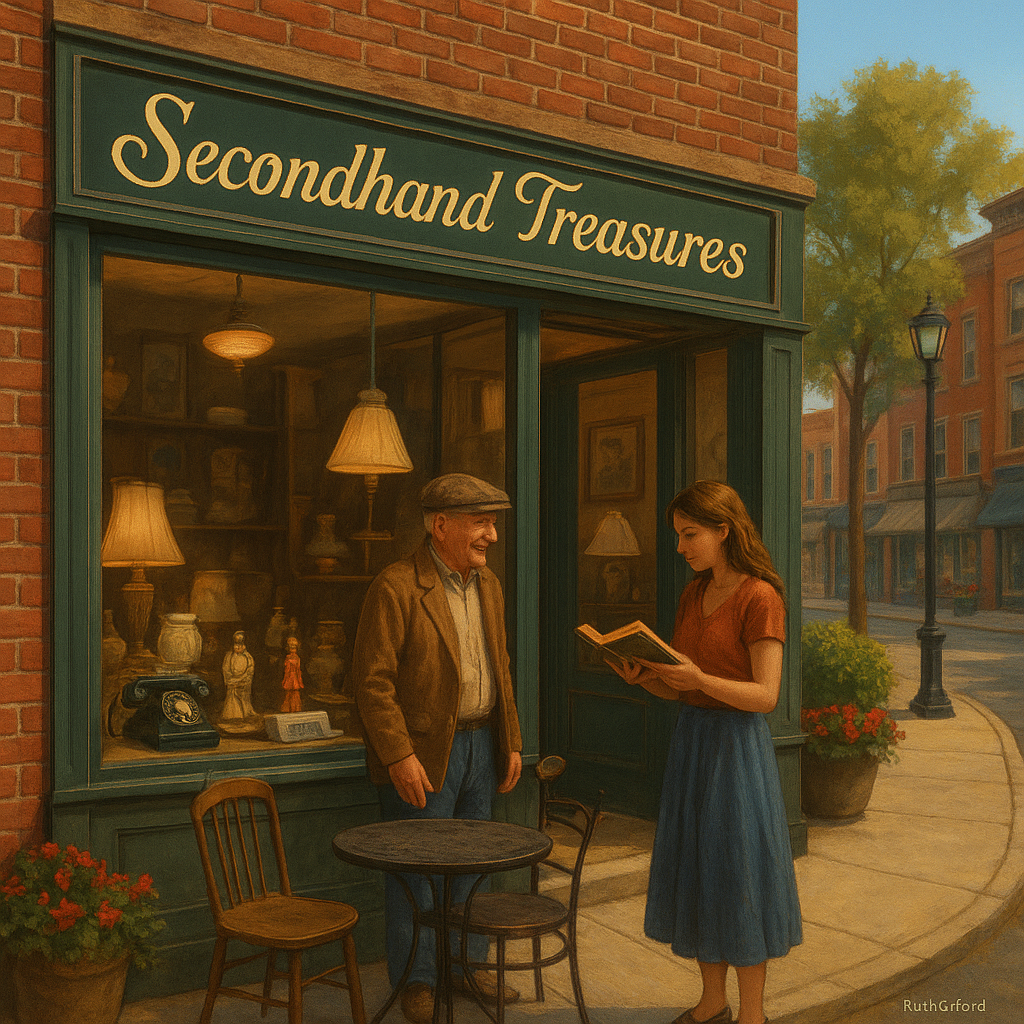
Thinking about opening a secondhand shop in the charming borough of Rutherford, New Jersey? Maybe you’ve been collecting vintage records, refurbishing furniture, or hunting down rare books. Turning that passion into a storefront is an exciting leap. But before you hang your “Open” sign, there’s a little paperwork you’ll need to handle—and one particular requirement that often catches new business owners off guard: the secondhand dealer bond.
Don’t let the word “bond” intimidate you. It’s not a scary financial trap. Think of it more like a safety net, a promise you make to the community that you’ll play by the rules. Rutherford, with its tree-lined streets and tight-knit neighborhoods, values integrity. And that’s exactly what this license protects.
So, how do you actually go from a dreamer to a fully licensed secondhand dealer in Rutherford? What steps do you need to follow, and where does that bond fit into the picture? Let’s walk through the entire process together, plain and simple.
What Exactly Is a Secondhand Dealer in Rutherford, NJ?
First, let’s make sure we’re on the same page. A secondhand dealer isn’t just someone holding a weekend garage sale. Under Rutherford’s ordinances, you’re generally considered a secondhand dealer if you buy, sell, or trade used goods from a fixed location. This covers a wide range of businesses: thrift stores, antique shops, consignment boutiques, pawnbrokers, used electronics stores, and even those who deal in scrap metals or previously owned jewelry.
Essentially, if your inventory wasn’t brand-new from a manufacturer, you likely fall into this category. The borough wants to keep an eye on these transactions to help prevent the sale of stolen property and protect consumers from shady dealings. That’s where the licensing and bonding come in.
Why Do I Need a Secondhand Dealer Bond?
Imagine you’re buying a used bicycle from a dealer. You trust that the shop has the legal right to sell it. But what if the bike was actually stolen? The original owner might show up, and you’re suddenly out of luck—and money. A secondhand dealer bond is a financial guarantee that the dealer will follow all local laws and ethical practices. If they don’t, someone who suffers a loss (like our bicycle buyer) can file a claim against the bond to get compensated.
It’s not insurance for the dealer; it’s protection for the public. The dealer pays a premium to obtain the bond, and the bonding company guarantees that the dealer will obey the rules. If a valid claim is filed and proven, the bonding company pays out up to the bond amount, and then the dealer must repay the bonding company. Think of it as a credit line specifically meant to keep everyone honest.
The Step-by-Step Roadmap to Getting Licensed
Now for the practical part. Becoming a licensed secondhand dealer in Rutherford isn’t overly complicated, but you must follow the sequence carefully. Here’s a breakdown:
1. Understand Rutherford’s Specific Requirements
Every municipality in New Jersey has its own flavor of regulations. Rutherford’s requirements fall under the borough’s general business licensing and specific ordinances for secondhand dealers. Your first stop should be the Rutherford Borough Clerk’s office or their official website. You’ll want to download the application for a secondhand dealer license. Don’t skip this step—assuming you know the rules can lead to delays. They’ll spell out exactly what documents, fees, and inspections you need.
2. Gather Your Business Essentials
Before you even apply, make sure you have your ducks in a row. You’ll likely need:
- Proof of business entity: Your DBA (Doing Business As) registration, LLC, or corporation paperwork.
- Tax ID number: Your federal Employer Identification Number (EIN) from the IRS, or your Social Security number if you’re a sole proprietor.
- Certificate of occupancy: If you’ve leased or bought a commercial space, you need to show that it complies with local building and fire codes for your type of business.
- Zoning approval: Rutherford’s zoning department must confirm that a secondhand shop is allowed at your chosen address. You’d hate to sign a lease only to find out the area is zoned strictly residential.
3. Complete the License Application
The application form will ask for details about you, your business partners if any, and the nature of your inventory. Be thorough and honest. They’ll likely ask if you’ve ever been convicted of a crime related to theft, fraud, or handling stolen goods. A “yes” doesn’t automatically disqualify you, but lying on the application certainly will. The borough might also require fingerprints and a background check, especially since you’ll be dealing in items that could easily be stolen. This is standard procedure and not something personal.
4. Secure Your Secondhand Dealer Bond
Here’s the star of the show. Rutherford will require you to post a surety bond as part of your license application. The bond amount can vary; it’s often set by borough ordinance. You’ll need to check the exact figure with the clerk’s office. Many New Jersey towns set it somewhere between $2,000 and $10,000 for secondhand dealers, but always verify Rutherford’s current requirement.
Getting the bond is actually quite straightforward. You apply through a surety bond company or an insurance agent who handles bonds. They’ll ask about your credit history and business experience. The premium you pay is a small percentage of the total bond amount—typically 1% to 5% for those with good credit. So, if Rutherford requires a $5,000 bond, you might pay around $100 to $250 for a year of coverage. Once approved, the bond company issues a bond form that you submit with your license application.
5. Pay the Fees and Submit
Along with your application, bond, and supporting documents, you’ll need to pay the licensing fee. This fee is separate from the bond premium. Check with the borough for the current rate. Some towns have a flat fee, while others base it on the type of goods or the size of the shop. Hand in everything together, and keep copies for your records. The clerk’s office might take a few weeks to process your paperwork, especially if they need to present it to the mayor and council for approval. Patience is key.
What Happens After You’re Approved?
Once your license is granted, the real fun begins—opening your shop! But remember, the license is not a one-and-done deal. You’ll need to renew it annually, and that includes renewing your secondhand dealer bond. Keep a calendar reminder. Letting your bond lapse could mean suspension of your license, and selling without a valid license can lead to hefty fines or even closure.
You’ll also need to keep detailed records of every transaction. Rutherford, like most towns, requires you to log items you acquire, including descriptions, serial numbers if applicable, and seller information. This record-keeping is part of the reason the bond exists; it shows you’re transparent and cooperative with law enforcement if needed.
Common Questions You Might Have
Let’s tackle a few “what ifs” that pop up frequently.
Can I operate from my home? Residential zoning in Rutherford is strict. Operating a secondhand business out of your garage or basement usually isn’t allowed unless you’ve obtained a special exception, which can be tough. Don’t assume it’s okay. Always check with zoning first.
What if my credit isn’t perfect? You can still get a bond. The premium might be higher, but surety companies work with a range of credit profiles. Some programs specialize in bonds for individuals with less-than-stellar credit. Expect to pay a bit more, perhaps 5% to 10% of the total bond amount.
How does the bond protect me? Indirectly, it protects your reputation. By carrying a bond, you’re signaling to customers that you’re a legitimate, trustworthy business. It can actually become a marketing point. You can say, “We’re licensed and bonded for your peace of mind.” That builds confidence.
Is a secondhand dealer bond the same as insurance? No, and this is a crucial distinction. Business insurance protects you from things like a customer slipping on your floor or a fire damaging your inventory. The bond protects the public from your illegal or unethical actions. You’ll want both. The bond is mandatory for your license; insurance is a smart business move.
Bringing It All Together
Becoming a secondhand dealer in Rutherford, NJ, is a journey that blends entrepreneurial spirit with community responsibility. The borough isn’t trying to throw up roadblocks; they’re making sure your business contributes positively to the town’s character and safety. That bond requirement? It’s just a piece of the puzzle that helps keep the marketplace fair for everyone.
So, start by visiting the Rutherford Borough Clerk, get your checklist ready, and line up your bond early. Before you know it, you’ll be flipping that sign to “Open” and welcoming neighbors into your carefully curated space. And isn’t that what it’s all about?
If you’re feeling stuck at any point, local business associations or a knowledgeable insurance agent familiar with New Jersey surety bonds can be lifesavers. They’ve helped dozens of entrepreneurs just like you navigate the process. Good luck, and here’s to your new adventure in Rutherford’s vibrant local business scene!