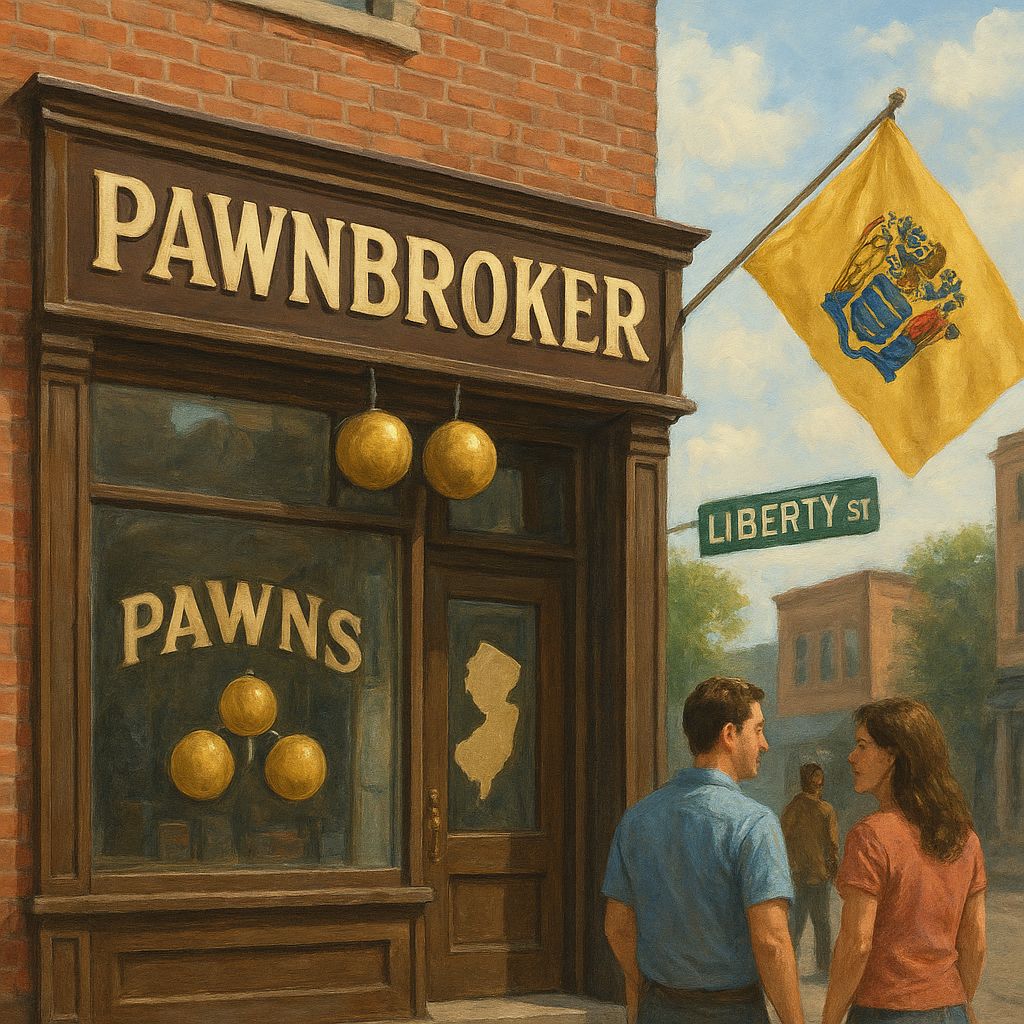
So, you’re thinking about becoming a pawnbroker in the Garden State, or maybe you’re just curious about how the whole system works. You’ve come to the right place. The world of pawn shops is full of fast cash, unique items, and a surprising amount of paperwork. If you want to operate legally and build a trustworthy business in New Jersey, you need to wrap your head around the state’s rules. It’s not just about having a storefront and a sharp eye for value; it’s about protecting your customers and yourself.
Let’s walk through everything you need to know about navigating pawnbroker regulations in New Jersey for 2023, in plain, everyday language. No confusing legal jargon, I promise.
What Exactly is a Pawnbroker, and Why All the Rules?
Think of a pawnbroker as a financial bridge builder. Someone comes in with a guitar, a diamond ring, or a high-end power tool. They need money right now, but they don’t want to sell their item forever. The pawnbroker offers them a short-term loan based on the item’s value. If the customer repays the loan plus interest by the deadline, they get their item back. If they don’t, the pawnbroker can sell it to recoup their money.
Sounds simple, right? In many ways, it is. But because this involves lending money, holding onto other people’s valuable property, and reselling goods, it’s a space that needs clear rules. Without them, there’s a risk of accidentally dealing in stolen merchandise or treating a customer unfairly. That’s where New Jersey’s regulations step in. They create a safety net for everyone. The state wants to make sure you’re running an honest shop, and your customers need to know they can trust you with their prized possessions.
The Foundation: Getting Your Pawnbroker License in New Jersey
You can’t just hang a “We Buy Gold” sign in the window and start lending cash. In New Jersey, every municipality can have its own specific licensing requirements, so your first stop is always your local city or town clerk’s office. While the state doesn’t issue a single, universal pawnbroker license, local governments step in to regulate the trade. However, there are state-level rules that apply, especially one massive financial safeguard you absolutely can’t ignore.
Before a municipality gives you the green light, they’ll likely want to see a few things:
- A completed application, often with a fee.
- A clean criminal background check. The state needs to know you’re running a trustworthy operation.
- Proof of your business location, which must comply with local zoning laws.
- And critically, proof of your NJ Pawnbroker Bond.
This last one isn’t just a suggestion; it’s the glue that holds the whole trust framework together. Let’s dig into what that mysterious bond actually is.
The Heart of the Matter: Understanding the NJ Pawnbroker Bond
When people hear the word “bond,” their eyes can glaze over. I get it. Let’s break that freeze with a simple analogy. Think of the pawnbroker bond as a security deposit you make with the state on behalf of your customers. It’s a three-party promise. You, the pawnbroker, are the principal. The state or municipality that requires the bond is the obligee. And the insurance company that backs the bond is the surety.
Here’s the promise: You pledge to follow all the state’s pawnbroker laws. If you break those rules and a customer suffers a financial loss because of it, they can file a claim against your bond to get their money back. The surety company pays the customer up to the bond’s full amount, but here’s the catch—you then have to pay the surety back every single penny. It’s not insurance for you; it’s a protection for the public.
Why Do You Need a Pawnbroker Bond?
Imagine walking into a pawn shop and handing over your grandmother’s antique necklace as collateral. You fully intend to pay the loan back and get it. But what if the shop “accidentally” sells the necklace a week early? Or what if they lose it and refuse to compensate you? That’s a direct violation of the rules, and it’s exactly the kind of situation the bond covers. It protects your customers against:
- Unlawful sale or destruction of pledged property.
- Failure to return property after a loan is properly repaid.
- Any other fraudulent or dishonest business practices.
The bond tells your community, “You can trust me because the state has a financial guarantee on file.” It’s a powerful business tool, not just a bureaucratic headache.
How Much Does an NJ Pawnbroker Bond Cost?
The required bond amount can vary by town. A common figure is a $10,000 bond, but some municipalities might require more. Now, you don’t need to pay $10,000 out of pocket to get the bond. You only pay a small percentage of that total, called the bond premium. If you have good credit, this premium is typically between 1% and 3% of the total bond amount. So, for a $10,000 bond, you might pay just $100 to $300 per year. That’s a small price to pay for a huge leap in credibility and full legal compliance.
What Other Day-to-Day Rules Do Pawnbrokers Face in New Jersey?
Once your license is on the wall and your bond is active, the real work begins. New Jersey pawnbrokers must keep meticulous records. This isn’t just good business sense; it’s the law. Every single transaction demands a paper trail that often gets reported directly to local law enforcement. This helps the police recover stolen goods and makes your shop a very unattractive target for criminals.
Here are some of the daily regulations you’ll live by:
- Detailed Transaction Records: For every loan or purchase, you must record a full description of the item, serial numbers, the exact time and date, the customer’s name, address, and a verified ID (like a driver’s license), and even their physical description.
- Police Reporting: Many jurisdictions require daily or weekly digital uploads of all transaction records to a police database. You can’t sell or melt down any item for a mandatory holding period, often 7 to 14 days, giving the authorities time to check for stolen goods.
- Interest Rate Caps: New Jersey strictly limits the interest you can charge on pawn loans. As of 2023, the maximum rate is generally 3% per month on the first $3,000 of a loan, and 2% per month on any amount between $3,000 and $15,000. For loans above $15,000, customers are only charged 1% per month. Know these numbers inside out.
Steps to Get Your Pawnbroker License Up and Running in 2023
Feeling a little overwhelmed? Don’t be. If you approach this as a simple checklist, it’s entirely manageable. Here’s a clean path forward:
- Visit Your Local Government: Start by calling your municipal clerk’s office. Ask for their specific pawnbroker licensing packet. Rules in Newark can be quite different from those in a small shore town.
- Secure Your Business Spot: Check zoning laws. You can’t open a pawn shop just anywhere, so make sure your chosen location is properly zoned for this type of business.
- Complete the Background Check: Gather your personal information and undergo the required fingerprinting and criminal history check. Be transparent; a past mistake doesn’t always mean a rejection, but hiding it does.
- Purchase Your NJ Pawnbroker Bond: Once you know the bond amount your town requires, contact a reputable surety bond company. You can often get a quote online in minutes and have the bond document in your hands within a day.
- Submit Your Application: Bundle everything—application form, fee, background check results, and your bond certificate—and deliver it to the clerk. Then, wait for your approval.
Common Hiccups and How to Dodge Them
Is this a smooth journey for everyone? Not always. A common source of frustration is misunderstanding the bond’s purpose. I’ve seen folks get angry because they think they bought an insurance policy for their own business. If someone accidentally damages a customer’s TV, the bond likely won’t cover that simple mistake; it’s for willful violations. That’s why you also need strong business liability insurance. Don’t confuse the two.
Another headache is sloppy bookkeeping. Imagine a police officer walks in with a report of a stolen mountain bike. If your records just say “bike, blue, $200,” you’re in trouble. But if your record says “Trek Marlin 4 mountain bike, serial #WTU295XG, blue with a scratch on the left pedal,” you’ve just helped solve a crime and proved your diligence. The safest pawnbrokers treat every single description like a tiny police report.
Keeping Your Pawn Shop Safe and Successful
Beyond just following the letter of the law, think about the spirit of it. Being a pawnbroker is a community service. You help neighbors get through tight financial spots without having to sell their cherished keepsakes. The best operators build relationships. They educate their customers clearly on the loan terms, use easy-to-understand contracts, and treat everyone with respect, regardless of why they’re there.
One final, smart move? Re-evaluate your bond and license annually. Don’t just let them renew on autopilot. Check if your town has increased the bond amount. Is your interest rate signage up to date for 2023’s caps? A quick annual audit keeps you out of hot water and shows your customers you are a professional who cares about doing things right.
Navigating pawnbroker regulations in New Jersey might seem like a steep climb at first, but it really boils down to a simple philosophy: Be transparent, be organized, and protect your customer. The license and the NJ pawnbroker bond are just the official handshake that tells the world you promise to do exactly that. Secure your bond, keep your records sharp, and you’ll build a business that stands the test of time.