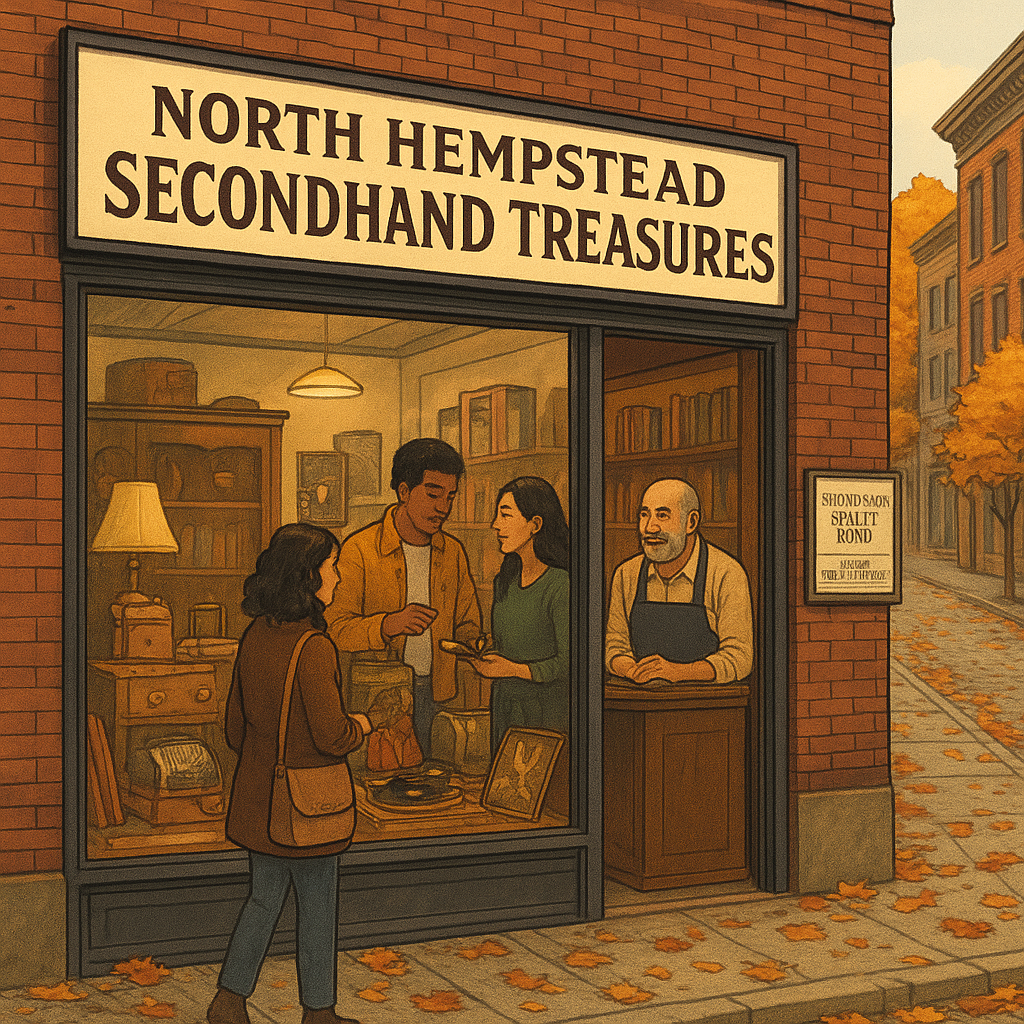
Are you thinking about opening a thrift store, pawn shop, or another business that buys and sells pre-owned goods in the Town of North Hempstead? If so, you have probably come across a requirement that sounds a bit like insurance but works differently: a Dealer in Second Hand Merchandise Bond. This little piece of paperwork plays a big role in protecting your customers and your community. Let’s unpack everything you need to know in plain, friendly language.
What Is a Dealer in Second Hand Merchandise Bond?
Imagine a promise written down, backed by money, that says you will follow the rules. That is exactly what this bond is. A Dealer in Second Hand Merchandise Bond is a type of surety bond required by the Town of North Hempstead, New York, for certain businesses that deal in used items. It is not insurance for your shop. Instead, it is a three-party agreement that protects the town and the public from financial loss if your business breaks the law or fails to meet its obligations.
The three parties involved are easy to remember:
- The Principal: That is you, the secondhand dealer, who needs to buy the bond.
- The Obligee: The Town of North Hempstead, which requires the bond as part of your license.
- The Surety: The company that issues the bond and guarantees the principal will act ethically and in accordance with local ordinances.
Think of the bond as a financial safety net. If a customer believes your shop knowingly bought stolen goods and the town investigates, the bond can cover certain damages. It does not protect you personally from lawsuits, but it gives the public confidence that there is a recourse if something goes seriously wrong.
Why Does North Hempstead Require This Bond?
The Town of North Hempstead, like many municipalities across New York, wants to keep neighborhoods safe and cut down on the resale of stolen property. Shops that purchase jewelry, electronics, musical instruments, tools, and other secondhand items can sometimes, even unknowingly, become a pipeline for theft. The bond adds a layer of accountability. Because a dealer knows their bond can be claimed against, they are naturally more motivated to verify the identity of sellers, keep detailed transaction records, and cooperate with law enforcement.
This requirement is not about making your life harder. It is about creating a fair and transparent marketplace. When everyone plays by the same rules, legitimate secondhand businesses thrive and the community feels safer. The bond essentially says, “We trust you to run an honest shop, and we have a financial guarantee to back up that trust.”
Who Needs a Dealer in Second Hand Merchandise Bond in North Hempstead?
The short answer: if your business buys, sells, or trades used merchandise within the town, you most likely need this bond. The licensing division of the Town of North Hempstead wants to ensure that all secondhand dealers are covered. This can include, but is not limited to:
- Pawn shops and pawnbrokers
- Thrift stores that purchase items directly from the public
- Antique dealers who buy and resell estate pieces
- Consignment shops where the shop pays the original owner after a sale
- Precious metals and jewelry buyers
- Electronics resellers that acquire pre-owned phones, laptops, and gaming systems
- Record stores, used bookstores, or vintage clothing stores that actively purchase inventory from walk-in sellers
If you are simply selling handmade crafts or brand-new products, you will not need this bond. The key factor is the act of buying secondhand goods with the intent to resell them. Still, requirements can sometimes vary based on the exact nature of your operation. A quick call to the Town Clerk’s office in North Hempstead can confirm your specific situation.
How Does the Bond Protect the Public?
Let us bring this to life with a practical example. Imagine a family comes home from vacation to find their home burglarized. The stolen items include a vintage guitar and some heirloom silverware. A few days later, a dealer in secondhand merchandise purchases those exact items from someone who is not the rightful owner, either missing red flags or failing to follow required reporting protocols.
When the original owners report the theft and the police trace the items back to the shop, the situation becomes messy. If the dealer violated the town’s secondhand dealer ordinance—say, by not holding the merchandise for the mandated period or not recording the seller’s identification properly—the owners could file a claim against the bond. The surety would then investigate and, if the claim is valid, compensate the victims up to the bond amount. The dealer would ultimately be responsible for reimbursing the surety. This process makes sure real people—your neighbors—do not end up permanently out of pocket because of a dealer’s non-compliance.
How Much Does a Secondhand Dealer Bond Cost?
This is where many business owners breathe a sigh of relief. The bond amount required by the Town of North Hempstead is typically a fixed sum, often $10,000 or a similar figure, but you do not pay that full amount upfront. Instead, you pay a small premium, which is a percentage of the total bond coverage. For many secondhand dealers, the annual premium can be as low as $100 to $300, depending on your personal credit score, business financials, and the surety provider.
Think of it like renting a large umbrella. You get the full $10,000 worth of coverage, but you only pay a fraction of that to have it. Even if your credit history is not perfect, there are bond programs designed to help small business owners get approved. In many cases, a streamlined online application can get you quoted in minutes.
Factors That Influence Your Premium
- Personal credit score and financial history
- Length of time in business
- Any previous bond claims or legal issues
- The required bond amount set by the town
The better your credit profile, the lower your rate. Some surety companies also offer first-year discounts or multi-year options that save you money in the long run.
How to Get Your Bond Quickly and Easily
Getting a Dealer in Second Hand Merchandise Bond does not have to be a headache. The process is surprisingly straightforward, especially if you work with a surety agency that understands North Hempstead’s specific requirements. Here is a typical path to follow:
- Confirm the exact bond amount and form: Ask the Town of North Hempstead for the official bond form or the required obligee name and wording. Never guess, because using the wrong form can delay your license.
- Apply online or over the phone: Many agencies offer a short application that captures basic business and personal details. You will usually receive a quote within the same day.
- Pay the premium: Once you accept the quote, pay the small percentage premium. You can often use a credit card, debit card, or electronic check.
- Receive your bond documents: The surety will issue the bond, which you can print or receive by mail. The document includes a seal, signatures, and the obligee information.
- Submit the bond to the town: Along with your other license application materials, file the original bond with the Town Clerk. Keep a copy for your records.
Most importantly, do not wait until the last minute. While a bond can be issued in as little as 24 hours, allowing a few business days ensures there are no hiccups before your planned opening date.
Common Questions About Secondhand Dealer Bonds
Is the bond the same as my business insurance?
Not at all. Your general liability or property insurance protects you from accidents, theft, or damage to your own inventory. The bond protects the public and the town from your potential legal violations. You will likely need both to fully safeguard your venture.
What happens if a claim is made against my bond?
If a valid claim is filed and the surety pays out, you are responsible for reimbursing every penny. The bond acts as a line of credit extended to you, not a payout fund. This is why a clean, ethical operation is your best defense against ever facing a claim.
Do I need to renew the bond every year?
Yes. The bond typically stays in force for one year and must be renewed to keep your license active. Most surety companies will send you a renewal notice, but it is wise to set your own reminder. Letting the bond lapse can result in license suspension or fines.
Can I change my bond provider later?
Absolutely. If you find a better rate or more responsive service, you can purchase a new bond before your current one expires. Just make sure the new bond aligns with the town’s renewal cycle so there is never a gap in coverage.
A Small Step That Builds Big Trust
Running a secondhand shop in the Town of North Hempstead is exciting. You create jobs, find treasures a second life, and become a part of a lively local business community. The Dealer in Second Hand Merchandise Bond is not a hurdle designed to trip you up. It is a straightforward requirement that says, loud and clear, that you are a responsible business owner. It tells your customers that they can shop with confidence and reassures the town that you are a partner in keeping the neighborhood safe.
So, as you gather your paperwork, apply for permits, and dream about your grand opening, remember that this small investment—sometimes costing less than a modest dinner out per month—sets the foundation for everything that comes next. Get your bond in place, hang that license on the wall, and welcome the community through your doors knowing you have done things right from the very start.