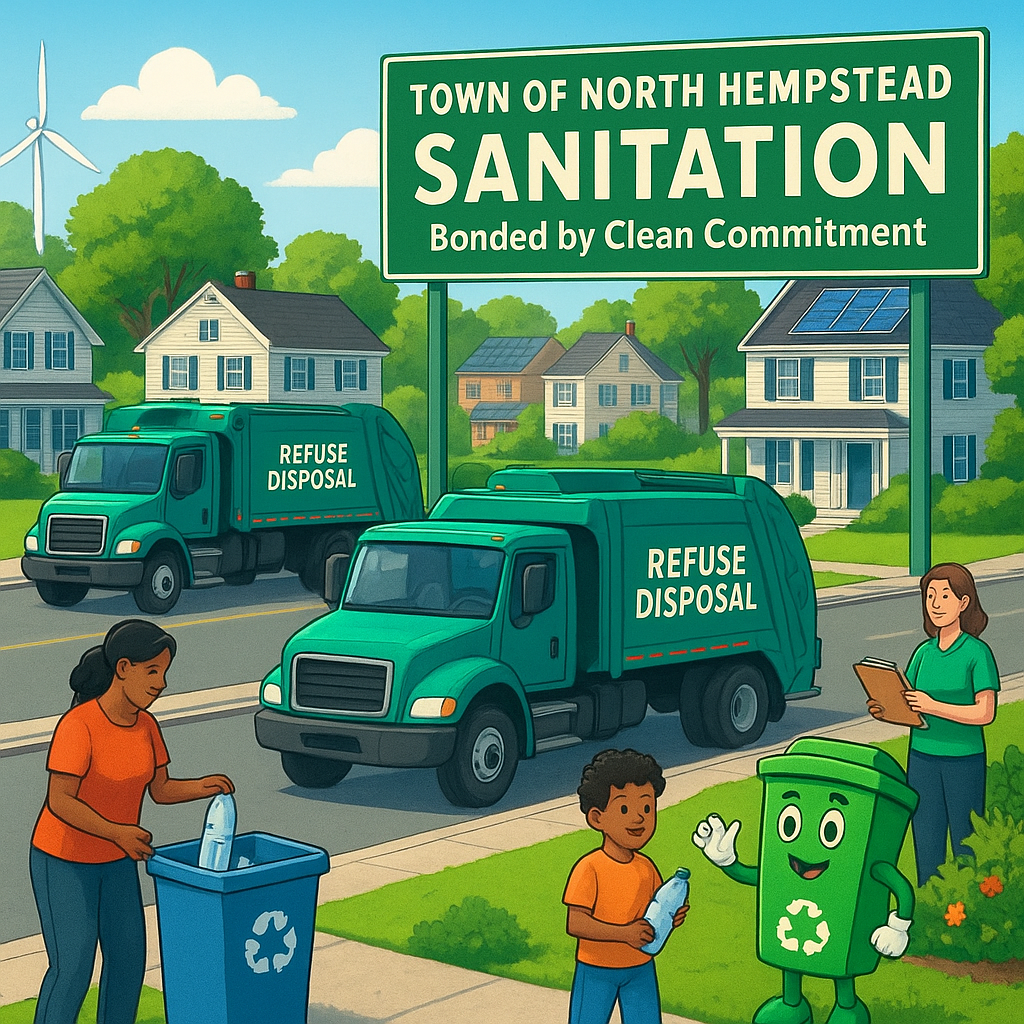
Have you ever wondered how your town keeps trash collection running smoothly year after year? It’s one of those things we rarely think about—until the bins pile up or a truck breaks down. For the Town of North Hempstead, New York, the answer lies in a little-known but powerful tool: the sanitation bond. Specifically, North Hempstead NY Chapter 46 focuses on refuse disposal, setting the stage for a smarter, more efficient waste management system. Let’s unpack what this means for residents, the environment, and your wallet.
What Exactly Is a Sanitation Bond?
Think of a sanitation bond as a community savings plan for garbage services. Instead of paying for a multi-million dollar waste facility or a fleet of new trucks all at once, the town borrows money by issuing bonds. Investors buy these bonds, and the town repays them over time, usually with interest. This spreads the cost across many years, much like a mortgage on a house. The Town of North Hempstead NY uses this approach under Chapter 46 to fund critical refuse disposal projects without slamming residents with a sudden tax hike.
But it’s not just about borrowing money. The bond is specifically tied to sanitation improvements—things like upgrading transfer stations, buying cleaner-burning trucks, or implementing recycling technology. By ring-fencing the funds for refuse disposal, the town ensures that every dollar raised goes directly into making trash and recycling services better, faster, and greener.
How Chapter 46 Transforms Refuse Disposal in North Hempstead
Chapter 46 of the town code isn’t just legal jargon. It’s the backbone of how North Hempstead plans, finances, and executes its sanitation vision. You might be thinking, “Okay, but what does that mean for my Tuesday morning garbage pickup?” Quite a bit, actually. When the town uses a sanitation bond under this chapter, it can tackle big-ticket items that keep the whole system humming.
Upgrading Aging Infrastructure
Many waste management facilities in older communities were built decades ago. They’re cramped, inefficient, and sometimes downright unpleasant. Chapter 46 bonds allow North Hempstead to modernize transfer stations and sorting centers. Imagine a facility where recyclables are sorted by advanced optical scanners instead of by hand, reducing contamination and increasing the amount that actually gets recycled. That’s the kind of leap a sanitation bond can fund.
Investing in a Smarter Fleet
Garbage trucks wear out fast, and older models guzzle diesel while puffing out thick exhaust. With bond proceeds, the town can transition to compressed natural gas (CNG) or electric trucks. These vehicles are quieter, cleaner, and cheaper to run over time. The result? Fewer emissions in your neighborhood and lower long-term maintenance costs for the town.
Expanding Recycling and Organics Programs
Chapter 46 is not just about tossing trash into a hole in the ground. It’s about reimagining what we throw away. Bonds have helped launch food scrap recycling pilots and yard waste composting programs. When the town has dedicated funding, it can absorb the up-front costs of new bins, collection routes, and public education—all things that pay off as landfill fees drop and environmental benefits climb.
Why Efficiency Matters More Than Ever
Waste management efficiency isn’t a buzzword; it’s a necessity. Landfill space is shrinking, costs are climbing, and communities are demanding sustainable practices. North Hempstead sits on Long Island, where land is precious and groundwater protection is critical. An inefficient refuse disposal system risks polluting the water table, wasting taxpayer money, and missing out on state recycling mandates.
So, how does a bond boost efficiency? Let’s break it down with a simple analogy. Suppose your household needed a new washing machine but you could only afford to pay $50 a month. If you saved up that $50, it would take years to buy one, and in the meantime you’d be hauling laundry to a laundromat—wasting time and gas. A bond is like financing the machine: you get it now, the washing gets done more efficiently, and the monthly payments fit your budget. The town does the same thing with sanitation infrastructure: it gets the tools it needs immediately, and the efficiency gains help offset the cost over time.
The Human Side: How This Affects Your Daily Life
It’s easy to glaze over when municipal finance comes up, but this topic touches your life every week. Picture a hot August morning. The garbage truck glides down your street almost silently because it’s an electric model funded by a sanitation bond. Your recycling bin, overflowing with correctly sorted plastics and paper, gets collected by a crew trained through a town program that the bond helped expand. Later, you drop off a bag of vegetable peels at a local compost site that didn’t exist before the bond paid for a pilot project. That’s efficiency in action.
These improvements also cut down on missed pickups. When trucks are newer and facilities are modernized, breakdowns and delays drop dramatically. No more staring at an overflowing bin wondering when the truck will appear. And because the bond spreads costs over many years, your property tax bill doesn’t spike to cover a sudden emergency repair at the old transfer station.
Common Questions About the Sanitation Bond
You might still have a few “what ifs” floating around. Let’s tackle them head-on.
Does a bond mean higher taxes?
Not necessarily. While bond repayments come from tax revenue, the whole point is to avoid massive one-time hits. A well-planned sanitation bond actually keeps rates steadier by spreading the cost over the life of the improvement. Plus, efficiency savings—like lower fuel expenses and reduced landfill tipping fees—often offset much of the repayment cost.
How long do these bonds last?
Typically, municipal bonds for equipment or facilities run 10 to 20 years. That aligns with the useful life of a garbage truck or a sorting machine. Once the bond is paid off, the town owns the assets free and clear, and the tax revenue that was earmarked for debt service can be used elsewhere or returned to residents through lower levies.
Can residents provide input?
Absolutely. Public hearings are a standard part of the bond authorization process. The town board discusses the proposal, and residents can voice support, concerns, or ideas. After all, it’s your money and your community. If you have thoughts on whether the next bond should prioritize electric trucks over a new recycling center, speaking up is a powerful way to shape the outcome.
Looking Ahead: The Future of Sanitation in North Hempstead
Waste management is evolving quickly. We’re seeing artificial intelligence sort recyclables, waste-to-energy systems that power homes, and even smart bins that signal when they’re full. North Hempstead’s Chapter 46 Sanitation Bond positions the town to jump on these innovations rather than watching from the sidelines. Every time a bond is issued, it’s an opportunity to weave the latest technology into the fabric of local service.
What could that look like in five or ten years? Imagine curbside pickup that separates glass, metal, and plastics automatically, thanks to optical sensors on the truck. Or a town app that sends you a notification the night before a special e-waste collection, with reminders on how to wipe your data from old devices. These aren’t far-off fantasies—they’re the logical next steps when refuse disposal gets the steady funding it deserves.
Simple Ways You Can Support the System
Efficiency isn’t just the town’s job. Residents play a huge role in making the whole system work. When you rinse out a peanut butter jar before tossing it in the recycling bin, you reduce contamination that gums up sorting machines. When you drop off hazardous waste like paint or batteries at a designated site, you prevent expensive incidents at the landfill. And when you stay informed about Chapter 46 bond proposals and vote or speak at hearings, you help steer funds toward the improvements that matter most to you.
- Rinse containers to keep recyclables clean.
- Separate food scraps if a composting program exists in your area.
- Never put batteries or electronics in the regular trash.
- Attend a town board meeting at least once to see how sanitation bonds are discussed.
- Spread the word to neighbors about the “why” behind rising recycling standards.
The Big Picture: A Bond That Binds the Community
At its heart, a sanitation bond is a promise. It’s a promise that the Town of North Hempstead will take care of today’s refuse disposal needs without burdening tomorrow’s families with crumbling facilities and environmental headaches. Chapter 46 codifies that promise, turning good intentions into concrete actions. Whether you’ve lived here for decades or just unpacked your last moving box, you benefit from the invisible grid of services that a well-funded sanitation system provides.
Next time you wheel your bins to the curb, think about the journey that waste takes after it leaves your hand. Behind the scenes, there’s a carefully orchestrated dance of trucks, sorters, composters, and planners—all supported by the smart financing of a sanitation bond. It’s not flashy, but it’s one of the most important ways a town protects public health, preserves the environment, and keeps daily life running smoothly. And that’s something worth talking about, one garbage day at a time.