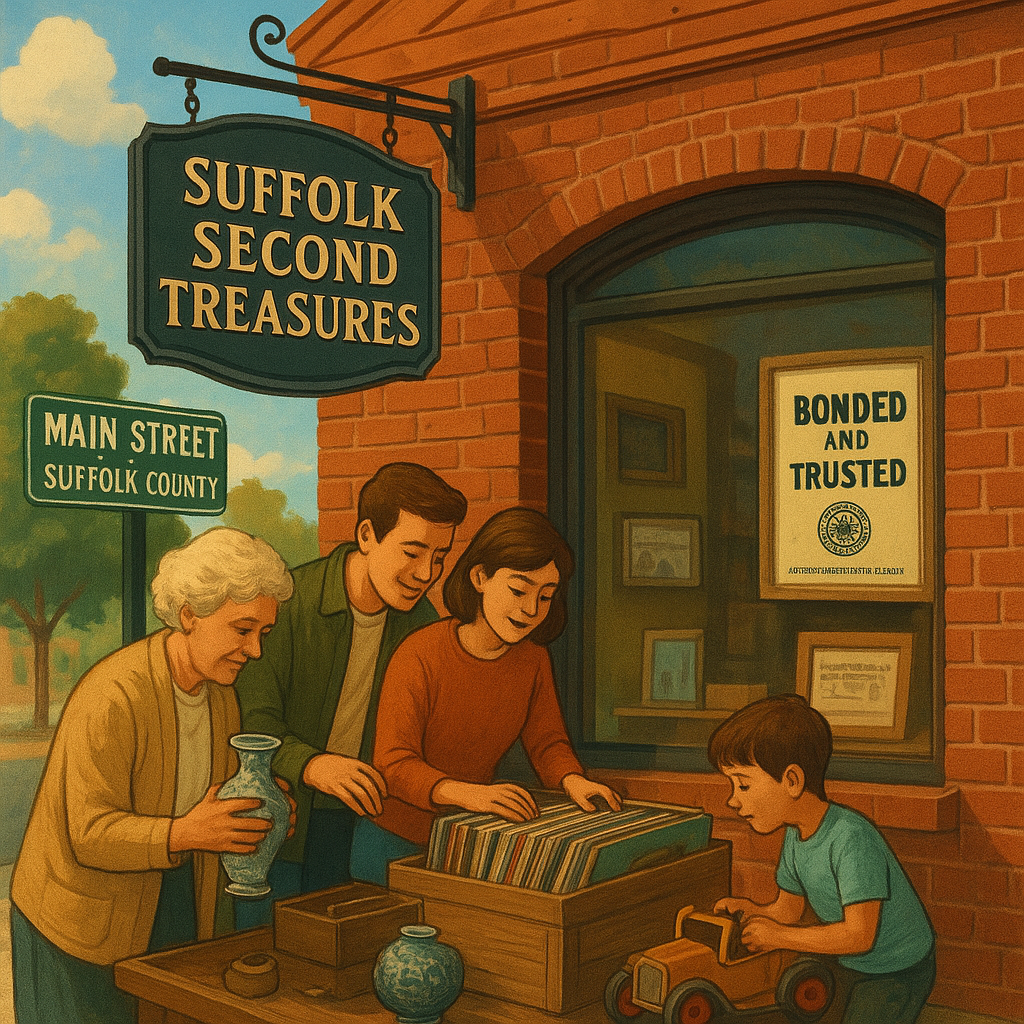
If you’ve ever thought about opening a pawn shop, a used electronics store, or a vintage jewelry boutique in Suffolk County, New York, there’s a good chance you’ve bumped into the term “secondhand dealer bond.” It sounds like something out of a dusty legal textbook, but don’t worry—it’s actually a lot simpler than it seems. Let’s break it all down together in plain English, so you can focus on what you do best: running your business.
So, What Exactly Is a Secondhand Dealer Bond?
Picture this: you’re lending a friend a valuable item, but you ask them to leave something of equal value with you until they return it. That’s essentially how a surety bond works. A secondhand dealer bond is a three-party promise. You, the business owner (the principal), promise to follow certain county rules. A bonding company (the surety) backs that promise financially. Suffolk County’s Consumer Affairs department (the obligee) makes sure everyone plays by the rules.
If you slip up and break the county’s regulations, the bond steps in to cover any financial damage. Think of it as a safety net that protects your customers and the public—not an insurance policy for your business. Yes, there’s a difference, and we’ll get to that.
Why Does Suffolk County Require This Bond?
Suffolk County is serious about keeping its marketplace fair and honest. The secondhand industry can be a magnet for stolen goods, even if you’re the most well-meaning shop owner on Long Island. By requiring a bond, the county’s Consumer Affairs office creates a layer of accountability. The bond says, “We trust you, but we’re also checking.” It’s the county’s way of making sure that if something goes wrong—like you accidentally sell a stolen item and the true owner isn’t compensated—there’s money set aside to make things right.
In short, the bond helps weed out bad actors and gives the public confidence that your shop is legitimate. It’s not just red tape; it’s a badge of credibility.
The Role of Suffolk County Consumer Affairs
The Suffolk County Department of Consumer Affairs oversees the licensing of secondhand dealers. They set the bond amount and make sure you’re complying with local laws. If a customer files a complaint and the county finds you’ve broken a rule—like not holding purchased items for the required amount of time or failing to verify a seller’s identity—the bond can be used to pay fines or restitution. You’ll then repay the bonding company for every penny they paid out. Yes, you read that right: you pay it back.
Who Needs This Bond?
You might be thinking, “Do I really need a bond just for selling old video games?” If your business buys, sells, or trades pre-owned merchandise—and you’re doing it in Suffolk County—the answer is most likely yes. This covers a wide range of businesses, including:
- Pawnbrokers and pawn shops
- Secondhand jewelry and watch dealers
- Used electronics and cell phone shops
- Antique and collectible stores that buy from the public
- Thrift stores that purchase items outright (not just donation-based)
- Scrap metal and precious metal buyers
Whenever you purchase goods from individuals with the intent to resell them, Consumer Affairs wants to see that bond. Even online resellers with a physical presence in the county can fall under these rules. When in doubt, a quick call to the licensing office can clear things up.
How Much Does a Suffolk County Secondhand Dealer Bond Cost?
Here’s the good news: you won’t need to fork over the full bond amount out of your own pocket. Most Suffolk County bonds are set at $10,000, but the total amount can vary based on your specific business and license type. The cost you pay—called the premium—is only a small fraction of that. Typically, it ranges from 1% to 5% of the bond amount annually.
So, for a $10,000 bond, you might pay as little as $100 per year if your credit score is strong. Bond companies use your personal credit, business financials, and industry experience to set your exact rate. A fresh startup with iffy credit might pay a bit more, but it’s still affordable compared to many other business expenses.
Imagine buying a $10,000 protection umbrella for just $150. That’s the kind of math we’re talking about. And that umbrella covers you all year.
Steps to Getting Your Bond (Without the Headache)
Navigating any government requirement can feel like decoding a foreign language. Let’s simplify the process into five friendly steps.
1. Confirm Your Exact Bond Amount
Reach out to the Suffolk County Department of Consumer Affairs or check your license application paperwork. Don’t guess—this number matters. Saying “I think it’s ten thousand” could cause delays if the county actually requires $15,000 for your category.
2. Find a Reputable Bond Provider
Look for a surety company that specializes in commercial bonds, not just insurance agencies that dabble in them. You want someone who understands Suffolk County’s unique nuances. A good provider will walk you through the paperwork and answer your questions without making you feel silly for asking.
3. Submit a Quick Application
The application is usually straightforward. You’ll provide basic information about yourself and your business, and the bond company will run a soft credit check. Don’t stress—this isn’t a bank loan. They just want to see your financial reliability.
4. Pay Your Premium
Once approved, you’ll pay that small annual premium we talked about. Some companies let you pay monthly, which can be a lifesaver for cash flow. After payment, the bond is issued.
5. File the Bond with Consumer Affairs
You’ll receive the official bond document. Keep a copy for your records, but send the original to the county as part of your license application or renewal. Then, breathe. You’re all set for the year ahead.
Bond vs. Insurance: What’s the Big Difference?
This is where many business owners get tripped up, so let’s use an easy analogy. Insurance protects you from losses you might suffer. If a pipe bursts and floods your shop, your business insurance steps in. A surety bond, on the other hand, protects others from your mistakes. If you accidentally break a county rule and a customer is harmed, the bond compensates that customer—not you. Then you have to pay the bond company back.
In everyday terms: insurance is “oops, I spilled coffee on my own laptop.” A bond is “oops, I accidentally sold someone else’s laptop. I need to make it right.” Same coffee shop, completely different coffee spills.
What Happens If Something Goes Wrong?
Let’s paint a picture. Say a customer brings in a gold necklace, and your employee forgets to fill out the required purchase record. Later, it turns out the necklace was stolen. The rightful owner comes forward, but you’ve already sold it. The owner files a claim against your bond. If the county validates the claim, the surety pays the owner up to the bond amount. Then, the surety turns to you for reimbursement—every last cent.
That’s why treating every transaction with care isn’t just good business; it keeps your bond claim-free. A clean claim history also helps you qualify for the lowest premiums year after year.
Renewing Your Bond: A Simple Habit
Most secondhand dealer bonds in Suffolk County run on an annual cycle that matches your license. You’ll get a renewal reminder from your bond company. Don’t ignore it! Letting your bond lapse can put your license in jeopardy. Even a one-day gap could mean a suspension until you file new paperwork. Set a calendar reminder a month before your renewal date, and the whole thing will be smoother than a fresh jar of peanut butter.
Sometimes, the county adjusts bond requirements. Keep an ear to the ground for any updates from Consumer Affairs so you’re not caught off guard when it’s time to renew.
Common Questions from Suffolk County Dealers
We’ve rounded up a few questions that pop up time and time again. See if yours is on the list.
Can I use the same bond for multiple locations?
It depends on how the county structures your license. Often, each physical location requires its own bond. If you have two pawn shops on opposite ends of the county, you’ll likely need two separate bonds. Think of them as individual licenses—one per address.
Is a credit check absolutely necessary?
For most standard bond programs, yes. The surety evaluates your credit to gauge the risk that you might fail to pay them back. But if your credit is less than stellar, don’t lose heart. There are programs for imperfect credit, albeit at a slightly higher rate. You can still get bonded.
Can I cancel my bond mid-year?
Technically, you can, but it’s rarely a good idea. The county requires continuous coverage. If you cancel without a replacement bond already active, you risk immediate license suspension. Always line up a new bond before canceling the old one, or you could be forced to halt operations.
Making the Process Your Own
Running a secondhand shop in Suffolk County is an exciting venture. The community is vibrant, the foot traffic is real, and there’s a deep appreciation for unique finds. The bond requirement is just a small piece of the puzzle—one that, once you understand it, doesn’t have to be intimidating.
When you view the bond as a tool that builds trust with your customers, it becomes less of a bureaucratic hoop and more of a business advantage. Displaying your compliance isn’t just for the county; it signals to everyone walking through your door that you play by the rules and stand behind your transactions.
Ready to Get Started?
At this point, you might be feeling a lot more confident about the whole secondhand dealer bond situation. You know why it exists, what it covers, how much it really costs, and the steps to get it in place. The next move is yours. Reach out to a trusted bonding professional, double-check your county requirements, and take that next step toward opening or renewing your Suffolk County shop.
Think of the bond as your backstage pass to a thriving secondhand marketplace. The paperwork is light, the cost is predictable, and the peace of mind is priceless. Here’s to your success—and to many happy customers finding treasures in your store.