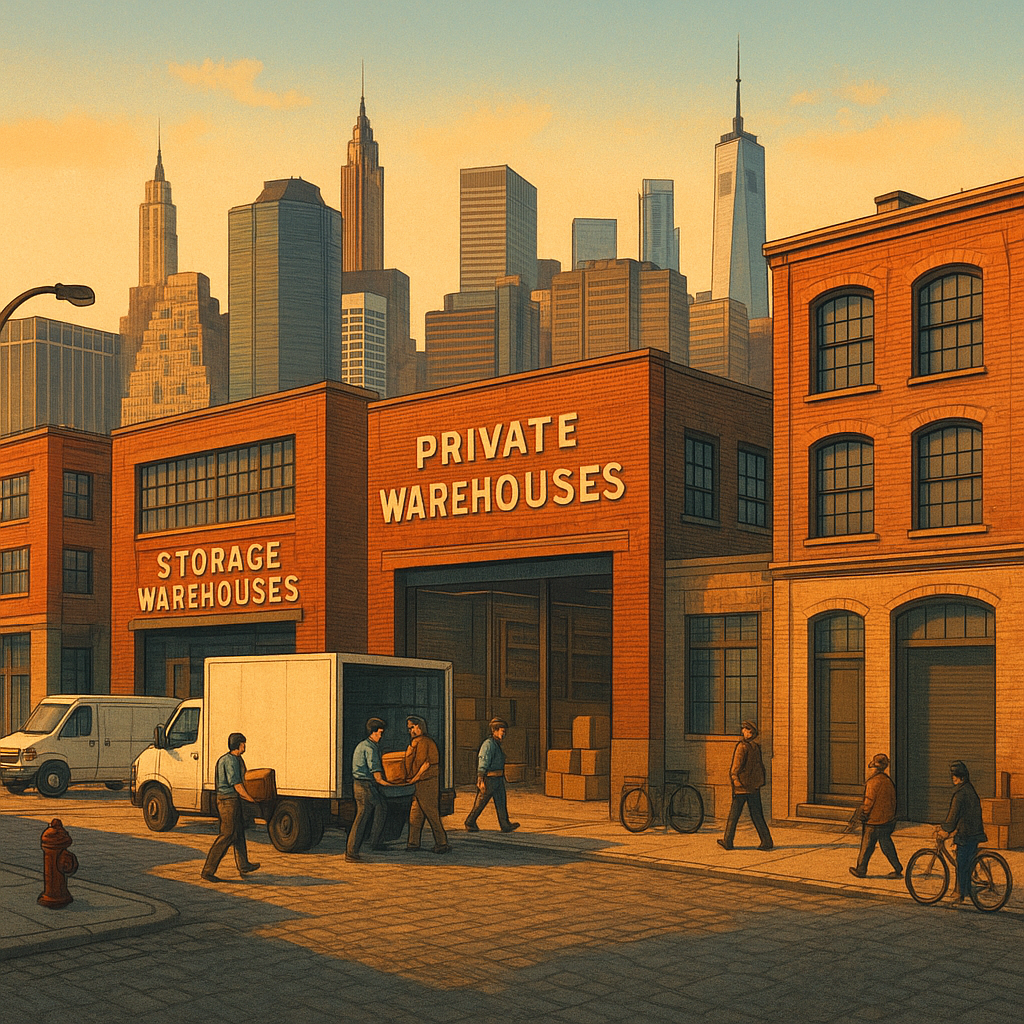
What’s the Deal with the NYC Storage Warehouse Bond?
If you’ve ever typed “storage NYC” into a search bar, you’ve probably been hit with an avalanche of options. Private warehouses, self-storage giants, and even a few puzzling references to “city facilities.” It’s enough to make your head spin. What does the City of New York actually have to do with your storage unit, and is there such a thing as a municipal storage option you can rent? Let’s clear the clutter—no moving boxes required.
Here’s the short version: the city doesn’t run public storage units where you can stash your winter coats. Instead, it uses something called a Storage Warehouse Bond to keep private storage companies honest. Think of it as a financial promise that your stuff is safe. If you’re wondering whether you should hunt down a “city facility” or stick with a private warehouse, this guide will walk you through everything you need to know—in plain, friendly English.
So, What Exactly Is a City of New York Storage Warehouse Bond?
Great question. The NYC storage warehouse bond is a type of surety bond that many private storage operators in the five boroughs must secure before they can legally do business. It’s not a bucket-list attraction or a dusty room in a government building. It’s a three-party agreement that protects you, the consumer.
Let’s break that down with a quick analogy. Imagine you lend your favorite guitar to a friend, and you ask a trusted neighbor to hold onto a little cash as a guarantee. If your friend breaks the guitar, the neighbor gives you the money to cover the damage. In the storage world, the warehouse is the friend, you’re the guitar owner, and the surety company (backed by city requirements) is the neighbor. The bond is a safety net that says, “If this business doesn’t follow the rules or damages your property, there’s money set aside to make things right.”
The City of New York requires these bonds for a category often listed as Private Warehouses – All Other. You might see this exact wording on official license documents. It covers a wide range of warehouse types that don’t fit into stricter categories like household goods movers. The key takeaway? A bonded warehouse isn’t just a marketing buzzword—it’s a real layer of consumer protection, backed by the city’s licensing muscle.
Private Warehouses vs. City Facilities: What’s Really Available?
Now we get to the heart of the title: should you optimize your search by looking at city facilities? The honest answer might surprise you. For everyday storage needs—clothing, furniture, business files, seasonal décor—city-operated facilities do not rent space to the general public. The City of New York manages storage for its own operations: impounded vehicles, court evidence, municipal records, and archives. Unless you’re a city agency or you’ve had your car towed, you won’t be signing a lease with the NYC Department of Citywide Administrative Services.
So why does this myth persist? Because when people hear “City of New York Storage Warehouse,” they sometimes picture a giant government-run locker facility. In reality, those four words almost always refer to the licensing and bonding category under which a private business operates. It’s the city’s way of saying, “We’ve checked this company out, and they’re playing by the rules.” Your search, then, is really about finding the best private warehouse—one that has the proper city bond and license.
What Does a Properly Bonded Private Warehouse Look Like?
When you’re hunting for storage in NYC, look beyond the glossy website photos and low introductory rates. A reputable private facility will openly display its license information. Here’s what to keep on your radar:
- NYC Storage Warehouse Bond. Ask the manager if they carry a current bond. Licensed operators won’t hesitate to confirm this.
- Department of Consumer and Worker Protection (DCWP) License. Many storage companies need a license from this city agency. The license number should be available upon request.
- Clear contract terms. A bonded warehouse is tied to codes of conduct around access, late fees, and liability. Their paperwork will reflect that.
- Insurance options. The bond protects against certain violations, but it’s not a replacement for your own renters or property insurance. A trustworthy facility will encourage you to get covered.
Why the Bond Matters More Than You Think
You might be thinking, “Okay, a bond sounds good, but how does it actually help me?” Let’s get real. Imagine a scenario where a storage company loses a vintage lamp you inherited from your grandmother. Without a bond, you might be stuck in a nightmare of small-claims court and finger-pointing. With a city-mandated bond in place, there’s a clear process for filing a claim. You don’t have to prove the company is a villain; you simply show that they failed to deliver the service or care they promised.
The bond doesn’t guarantee a perfect experience, but it does add a powerful incentive for the warehouse to treat your belongings like treasure. Think of it as the city lending a watchful eye—even when you can’t be there yourself. For anyone storing items in a fast-paced, space-hungry market like New York, that peace of mind is worth its weight in packing peanuts.
How to Spot a Quality Private Storage Option in NYC
Now that you know city-run facilities aren’t an option for personal storage, let’s focus on what really matters: finding a safe, clean, and bonded private warehouse. Use these tips to cut through the noise.
1. Verify the License and Bond Status
Before you sign anything, ask, “Are you licensed with the city and bonded?” You can also cross-check the business on the NYC Department of Consumer and Worker Protection’s website. A few minutes of research can save you mountains of stress later. If a company dodges the question or says bonds are unnecessary, take your boxes elsewhere.
2. Visit the Facility in Person
Pictures can be deceiving. Walk through the hallways, ride the elevator, and take a deep breath. Does the place smell clean and dry? Are the loading docks tidy? Do the staff members greet you with a smile? Your gut feeling is a powerful tool. A well-kept, professionally managed warehouse is far more likely to maintain its bond obligations.
3. Understand What the Bond Doesn’t Cover
Bonds are fantastic, but they aren’t magic. They typically cover issues like fraud, theft by employees, or the warehouse folding without returning your items. They may not cover flooding from a burst pipe, unless the cause points directly to negligence. That’s why you should also consider a standalone renters’ or specialty insurance policy for high-value goods. Ask the facility about their insurance requirements and what they recommend.
4. Read the Fine Print on Fees and Access
Different boroughs have different rules, but one thing remains universal: hidden fees are a headache. A transparent facility will spell out all costs—late payment penalties, administrative fees, and lock-cut charges—right in the contract. Don’t be shy. Say, “Can you walk me through a sample statement so I know exactly what to expect?” A bonded company that values its reputation will have nothing to hide.
Real-Life Example: The Benefit of Choosing a Bonded Warehouse
Let’s paint a picture. Mia is a freelance photographer in Brooklyn. She stores her backup lighting gear and client prints in a private Manhattan warehouse that proudly displays its NYC storage warehouse bond. One winter, a temporary heating malfunction causes humidity to spike, warping a set of limited-edition prints. Because the warehouse violated its agreed-upon climate-control promise, Mia is able to file a claim against the bond and recover a significant portion of her loss. Without the bond, she might have been left with soggy paper and a legal bill.
Now imagine Mia had instead stored her gear in an unlicensed, fly-by-night operation with no city oversight. That story ends very differently. This is the power of choosing a facility that falls under the City of New York’s regulatory umbrella.
Frequently Asked Questions (Just Between Us)
Can I store my belongings in a city-owned building?
For personal items, no. The city manages storage for official purposes like police evidence and government records. When you see “City of New York Storage Warehouse,” it almost always points to a private business that holds a city-required bond.
How do I know if a storage company really has a bond?
Ask for their license number and the name of the surety company. A reputable operator will share this proudly. You can also check the DCWP website for current license status.
Does the bond mean my stuff is 100% protected?
Not entirely. Bonds offer protection for certain types of loss—like misconduct or breach of contract—but they don’t replace insurance. Always consider additional coverage for full peace of mind.
Are there any actual city-run storage auctions open to the public?
Yes, but those involve seized or abandoned property and are not a place to store your own items. They’re an entirely different animal, usually handled by the NYPD or sheriff’s office.
Wrap-Up: Your Smart NYC Storage Strategy
So, after all this, what’s the verdict? Private warehouses are your go-to option for storage in New York City. The city doesn’t offer a collection of lockers for lease, but it does offer something just as valuable: a rulebook and a bonding system that keeps private operators in check. When you see that a company holds the City of New York Storage Warehouse Bond under the “Private Warehouses – All Other” category, you’re not looking at a secret government stash; you’re looking at a business that’s invested in your trust.
As you narrow down your choices, remember the simple checklist: verify the license and bond, tour the site, clarify what’s protected, and never ignore the fine print. Your extra set of dishes, your late aunt’s armoire, your essential business documents—they all deserve a home that’s safe, dry, and accountable. With a little research and the right questions, you’ll find a New York City storage solution that feels less like a gamble and more like a good, firm handshake.