Thinking about opening a self-service laundromat in Buffalo, New York? Or maybe you’re just curious why these clean, bright spaces are popping up all over the city. Either way, you’ve probably stumbled across a term that sounds a bit confusing: the self-service laundry bond. It’s a piece of paperwork that carries a lot of weight, but most people have no idea what it actually is. Let’s pull back the curtain and talk about it in plain English.
What Exactly Is a Self-Service Laundry Bond?
Don’t let the word “bond” scare you. It’s not as complicated as it sounds. A self-service laundry bond is really just a type of surety bond – a promise between three parties. Think of it like a safety net made of paper and trust.
Imagine you’re lending your favorite book to a friend. You trust them to return it in good shape, but just in case, another friend says, “If they don’t, I’ll buy you a new one.” That’s basically how a surety bond works. The laundromat owner (the principal) needs a bond. The City of Buffalo (the obligee) requires it. An insurance or bonding company (the surety) backs it up. If the owner doesn’t follow the rules or fails to pay required fees, the city can make a claim on that bond, and the surety company covers the loss up to the bond amount. The owner then has to pay the surety back. It’s a form of consumer and municipal protection.
Why Does Buffalo, NY Require This Bond?
You might wonder, “Why do I need this for a coin-op laundry?” Good question. Buffalo, like many cities in New York, wants to make sure that any business dealing with the public operates fairly and responsibly. A self-service laundry bond guarantees that the business will comply with all local laws, ordinances, and regulations. This includes things like:
- Properly collecting and remitting sales tax.
- Maintaining clean and safe premises.
- Following zoning and building codes.
- Handling customer property with care (even though a sign says “not responsible,” there are still standards).
It’s not meant to be a hurdle. It’s a layer of accountability that protects everyone — from the single mom washing her kids’ school uniforms to the city official making sure the water and electricity usage meet code.
The Rise of Self-Service Laundry Innovation in Buffalo
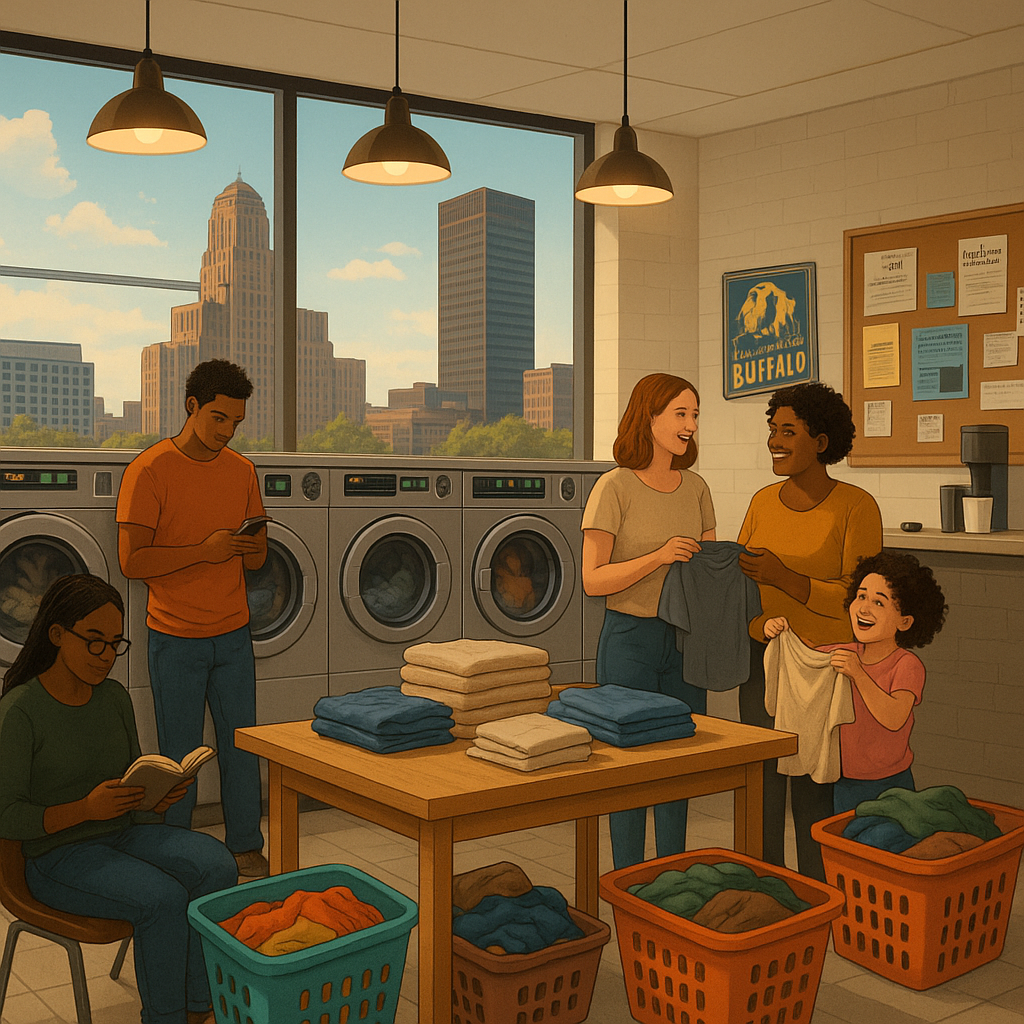
Walk down Hertel Avenue or through the Elmwood Village, and you’ll notice something. The old, dimly-lit laundromats with flickering fluorescent lights and broken machines? They’re getting a serious upgrade. Buffalo is embracing a wave of laundry service innovation. New self-service facilities aren’t just places to wash clothes — they’re community hubs. Think free Wi-Fi, mobile payment options, loyalty programs, and even attached coffee bars. This shift attracts a wider audience, from busy college students to young professionals living in apartments without in-unit hookups.
But with this innovation comes the need for proper licensing and bonding. A brand-new, tech-forward laundromat with touchscreen washers still needs that same surety bond that the old corner washhouse had. The bond helps level the playing field and reassures city planners that even a modern business model is built on a foundation of compliance.
How Does the Bond Relate to the Business License?
Here’s a common point of confusion. The bond doesn’t replace your business license. It’s part of the application package. The City of Buffalo typically requires you to submit proof of your self-service laundry bond before they’ll issue or renew your license to operate. So, think of the bond as a golden ticket that tells the city, “I’m ready to play by the rules.”
If you’re a new owner, you’ll first need to form your business entity, secure a location, and pass inspections. The bond requirement usually comes during the final licensing stage. Don’t wait until the last minute — getting bonded is quick but you want to leave plenty of time for the paperwork to flow through City Hall.
Breaking Down the Bond Amount and Cost
Now for the question everyone really cares about: How much is this going to set me back? The bond amount is set by the city and is usually a fixed figure, often between $5,000 and $25,000 for laundry services. But here’s the good news: you don’t pay that full amount. You pay a premium, which is a small percentage of that total.
For example, if Buffalo requires a $10,000 bond, your premium might range from $100 to $500 per year, depending on your personal credit and financial history. Yes, the surety company will look at your credit score. They want to know you’re financially responsible because if a claim is paid out, you’re the one who ultimately pays it back. It’s a lot like signing a lease with a co-signer — the landlord trusts someone with good credit will cover the rent if you can’t.
What Happens If a Claim Is Filed?
Let’s say, hypothetically, a laundromat owner ignores several city citations for improper waste disposal. The city may fine the owner. If the fines go unpaid, Buffalo can file a claim against the bond. The surety then investigates. If the claim is valid, the surety pays the city up to the bond limit. Then, like clockwork, the surety comes to the owner for reimbursement. That reimbursement isn’t optional — it’s backed by a legal agreement. So, staying on top of regulations isn’t just good business sense; it keeps your bond clean and your wallet safe.
Who Actually Needs This Bond?
The requirement specifically targets self-service laundry facilities — those where customers use coin-operated or card-operated machines on their own. This doesn’t always apply to a dry-cleaning drop-off service or a commercial laundry that services hotels, though those have their own bonding requirements in some cases. If your customers walk in, load their own clothes, and pay at a machine, you’re the exact person the City of Buffalo wants to bond.
If you’re buying an existing laundromat, don’t assume the previous owner’s bond transfers. It doesn’t. You’ll need a new one in your business’s name. And if you own multiple locations, each one might need its own separate bond, unless the city allows a blanket bond covering all locations. Always check directly with the Buffalo licensing department to get the latest specifics.
Simple Steps to Get Your Buffalo Laundry Bond
Ready to take the plunge? The process is smoother than a just-dried towel fresh out of the dryer. Here’s how to secure your bond without the headache:
- Confirm the exact bond amount and language. Call the City of Buffalo’s licensing office or visit their website. Don’t rely on second-hand advice.
- Find a reputable surety bond provider. Many insurance agencies handle surety bonds. You can also work with specialized bond companies online.
- Complete a short application. You’ll need basic business info and personal details for a credit check.
- Receive a quote. In many cases, you can get a quote in minutes. Good credit scores often mean premiums as low as 1% of the bond amount.
- Pay the premium and get your bond form. The surety will issue the official bond document, which you’ll then file with your license application.
How to Keep Your Bond (and Business) in Good Standing
Once the bond is in place, it’s not a “set it and forget it” deal. You’ll renew it annually, just like your license. Keeping your business practices transparent helps avoid claims. Pay your sales tax on time. Keep the premises safe and accessible. Address customer complaints before they escalate. A claim-free history can even help you negotiate lower premium rates in the future. It’s a cycle of trust that benefits everyone.
Why Buffalo’s Laundry Innovation Matters to Everyday People
You might not run a laundromat yourself, but you might be wondering why any of this matters. It matters because these bonds help ensure the facilities you use are legitimate, accountable businesses. That shiny new self-service laundry with app-based payment? Behind the scenes, its owner had to jump through the same bonding hoops as the old-school place across town. That bond helps keep your money safe, the machines properly maintained, and the community standards high.
Next time you’re folding towels and chatting with a neighbor, you’ll know there’s a little piece of paper tucked away in a city office downtown that’s working to protect your quarters and your clothes. How’s that for peace of mind?
Frequently Overlooked Details About Laundry Bonds in New York
Before you run off to get bonded, let’s cover a few odds and ends that trip people up:
- The bond is not insurance for your business. It protects the city and the public, not you. You’ll still need general liability insurance and property coverage.
- Your bond is only as good as the surety company. Make sure the surety is licensed to do business in New York State and listed in the U.S. Department of the Treasury’s Circular 570 if that’s required by the city.
- Deadlines exist. If your bond expires and you don’t replace it, your license could be suspended. Set reminders long before the expiration date.
- Small home-based laundry services are different. If you’re just washing clothes for a few clients out of your house, you likely don’t need this bond. It’s for brick-and-mortar self-service establishments.
Buffalo’s Bright Laundry Future: Clean, Convenient, and Bond-Backed
As Buffalo continues its renaissance, the hum of washing machines in clean, modern facilities is becoming part of the city’s soundtrack. The self-service laundry bond might seem like a dry relic of bureaucracy, but it’s actually a quiet champion of this progress. It ensures that innovation doesn’t come at the expense of integrity. Whether you’re an entrepreneur sketching out a laundromat concept on a napkin or a resident grateful for a 24-hour wash-and-fold, that bond plays a small but mighty role in your life.
So, the next time you hear “City of Buffalo self-service laundry bond,” you won’t scratch your head. You’ll know it’s a promise — a promise that business is done right, from the first rinse cycle to the final spin.