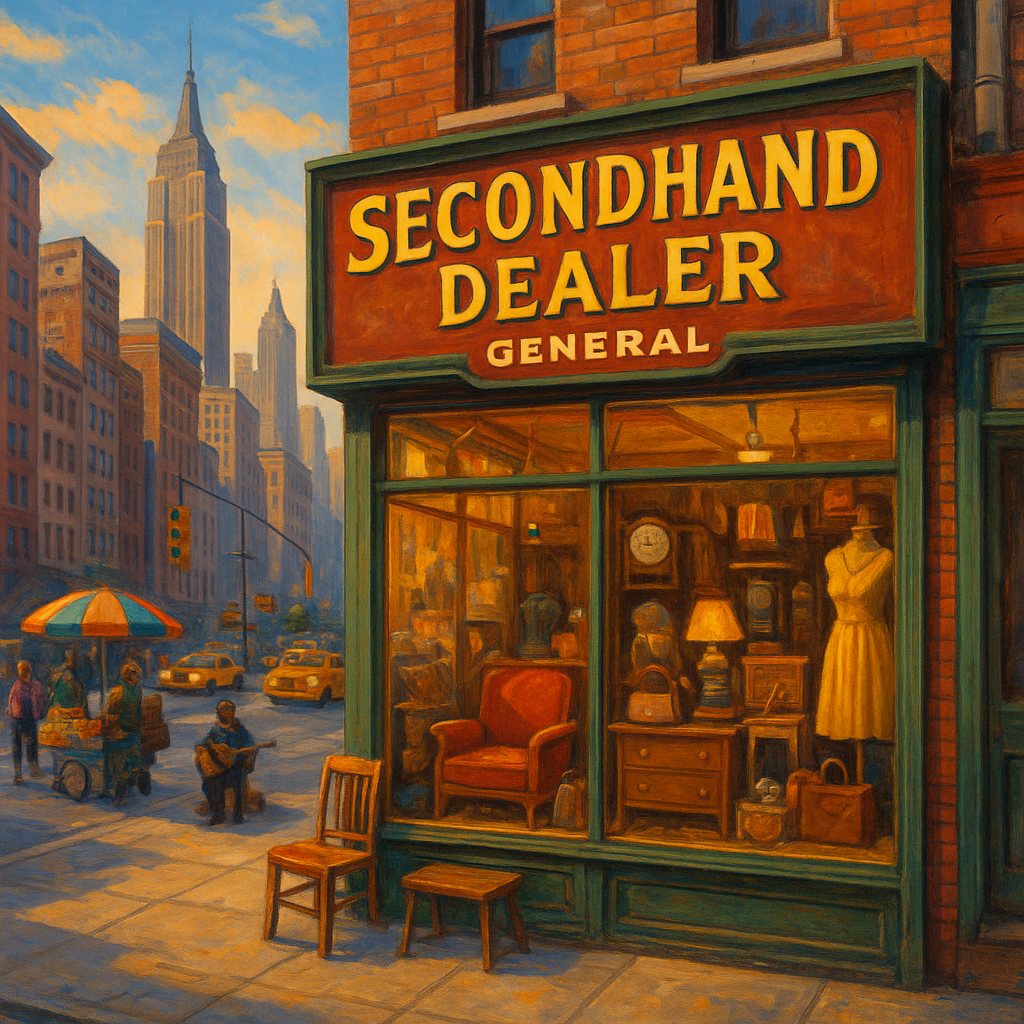
Have you ever wandered through a thrift store in Brooklyn, a vintage jewelry shop in Manhattan, or a used electronics store in Queens and thought, “I could do this”? New York City’s secondhand market is not just about finding hidden treasures—it’s a serious business that fuels local economies and promotes sustainability. But before you start buying and selling pre-owned goods, there’s a world of regulations you need to navigate. The city wants to make sure consumers are protected and that stolen items don’t slip through the cracks.
At the heart of these rules is the Department of Consumer and Worker Protection (DCWP), formerly known as the Department of Consumer Affairs. They’re the gatekeepers, and one of their key requirements for many secondhand dealers is a Secondhand Dealer – General Bond. It might sound like a piece of financial jargon, but think of it as a promise you make to the city—and to your customers. Let’s break it all down in plain English.
What Exactly Is a Secondhand Dealer in New York City?
You might assume anyone selling used stuff is a secondhand dealer, but the city’s definition is more specific. According to the DCWP, a secondhand dealer is a business that buys, sells, or trades used goods like:
- Furniture and home appliances
- Electronics (phones, laptops, stereos)
- Jewelry and precious metals
- Musical instruments
- Power tools and equipment
- Antiques and collectibles
If you plan to operate a pawnshop, a scrap metal business, or a store that solely sells used cars, separate rules and bonds apply. But if your dream is a cozy vintage clothing shop? Interestingly, clothing and books aren’t typically regulated as strictly under the “secondhand dealer” umbrella in NYC, but it’s always wise to double-check with the DCWP. The Secondhand Dealer – General license is the one most resellers will need.
The Role of the Department of Consumer and Worker Protection
Think of the DCWP as the city’s guardian for fair business practices. They issue licenses, enforce consumer protection laws, and make sure businesses play by the rules. For secondhand dealers, their oversight ensures that what you sell isn’t stolen property and that consumers have a place to turn if something goes wrong. Without their stamp of approval, you can’t legally open your doors.
The License You Can’t Skip: Secondhand Dealer – General
Before you can even think about bonds, you need the actual license. The application process involves a background check, a detailed business description, and fees. But one of the trickiest parts for newcomers is the bond requirement. This is where the DCWP’s Second Hand Dealer – General Bond comes into play.
What Is a Secondhand Dealer Bond and Why Do You Need One?
A bond is not insurance for your business; it’s a financial guarantee for the public. Picture it as a safety deposit you put down with the city. If your shop accidentally buys a stolen watch and sells it before the police can recover it, the bond can compensate the original owner. Or if you violate the city’s regulations and cause financial harm to a customer, the bond provides a way for them to get made whole.
It’s a three-way agreement:
- The principal: That’s you, the secondhand dealer.
- The obligee: The Department of Consumer and Worker Protection, the entity requiring the bond.
- The surety: The insurance company that issues the bond and guarantees payment if you fail to follow the rules.
If a valid claim is made, the surety pays out up to the bond amount. But remember—you’ll have to repay every penny. So it’s a strong incentive to run a clean, honest business.
How Much Is the Second Hand Dealer – General Bond?
The required bond amount in New York City is typically $1,000. That’s the total coverage. The good news? You don’t pay $1,000 upfront. You pay a small premium, often as low as 1% to 5% of the total, depending on your credit and the surety company. For many small business owners, that could mean getting bonded for less than $50 a year. It’s a very affordable way to meet the legal requirement.
Beyond the Bond: Other Rules You Must Follow
Getting bonded is a huge step, but your responsibilities don’t end there. The DCWP has a whole playbook designed to prevent the sale of stolen goods. Here are some of the most important ones:
- Holding Periods: Certain items you buy must be held for a specific number of days before you can resell them. This gives law enforcement time to check if the goods were reported stolen. For example, jewelry and electronics often have a 14-day hold.
- Detailed Records: You must keep a thorough log of every item you acquire. This includes a description, serial numbers, the date and time, and the seller’s information. In many cases, you need to photograph the goods and the seller’s ID.
- Daily Reports to the Police: Many secondhand dealers are required to submit a daily list of all property they’ve purchased to the local police precinct or an approved online database. This is non-negotiable in the fight against fencing stolen items.
- Display and Marking: Your license must be displayed prominently. Tags and labeling might also be regulated to ensure transparency for buyers.
Step-by-Step: How to Get Your NYC Secondhand Dealer License and Bond
Ready to turn that passion for pre-loved goods into a legitimate business? Here’s a simplified roadmap:
- Check Your Business Model: Confirm you fall under the “Secondhand Dealer – General” category on the DCWP website.
- Gather Your Documents: This includes your business entity papers, a detailed list of what you’ll sell, proof of your storefront address (if you’re not home-based, and note that many secondhand dealer licenses require a physical commercial location and do not allow a home address), and a tax ID.
- Apply Online or In Person: Visit the DCWP’s licensing portal. You’ll fill out the application, describe your inventory, and pay the licensing fee.
- Undergo a Background Check: You and any partners or major shareholders will likely need to be fingerprinted and pass a review.
- Secure Your Bond: Once the DCWP tells you a bond is required, reach out to a reputable surety bond agency. They’ll guide you through the NYC Secondhand Dealer – General Bond purchase. You’ll receive a bond form to submit to the DCWP.
- Submit the Bond and Final Items: Deliver the bond and any remaining paperwork. Then wait for your license to be issued.
The whole process can take several weeks, so patience is key. And don’t hesitate to call the DCWP directly if you’re stuck—they’re there to help, not just to enforce.
Common Questions from Budding Secondhand Entrepreneurs
Do I Need a Bond if I Only Sell Online?
If your business is based in New York City and you are buying used goods to resell (even on platforms like eBay or Etsy), you likely still need a secondhand dealer license and bond as long as you meet the definition. The location of your inventory storage matters. Always check with the DCWP, as rules for online-only operations can be nuanced.
What Happens if I Don’t Get the License or Bond?
Operating without a required license can result in hefty fines, closure of your business, and even criminal charges. It’s not worth the risk. The city takes unlicensed secondhand dealing seriously because of the potential for stolen goods trafficking.
Can I Use the Same Bond for Multiple Locations?
Each licensed location generally requires its own bond. If you expand to a second store, plan to get another bond for that address.
Why This All Matters for Your Business
Complying with NYC’s secondhand dealer regulations might feel like a mountain of red tape. But think of it as the foundation of a trustworthy brand. When customers see your DCWP license, they know you operate with integrity. They’re more likely to sell you their cherished items and buy from you with confidence. The bond, the holding periods, the reports—they’re all part of building a safer marketplace for everyone.
Plus, the secondhand economy is booming. New Yorkers love a good deal and they love sustainability. By jumping through these hoops early, you position yourself as a reliable player in a vibrant, growing industry.
So, ask yourself: Is the hassle of a $50 bond and some paperwork worth the peace of mind and the legal right to do business in the greatest city in the world? We think so. Welcome to New York’s secondhand scene—do it by the book, and you’ll be writing your own success story in no time.