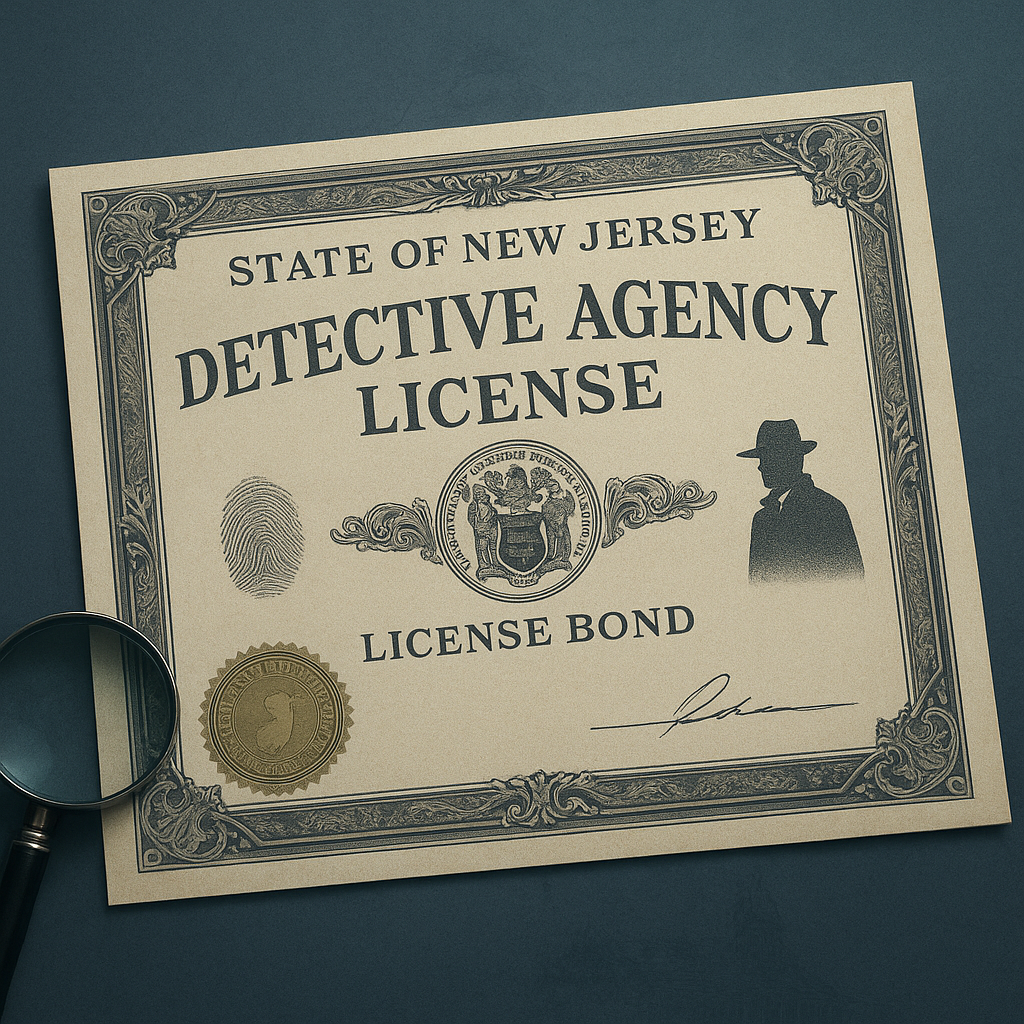
So, you’ve got a sharp eye for detail, a curious mind, and a passion for uncovering the truth. You’re ready to step into the world of private investigation in the Garden State. Before you can start taking on clients and solving mysteries, there’s one big hurdle you’ll need to clear: getting your New Jersey private detective license. And yes, that includes understanding something called a detective agency license bond, which might sound a little intimidating at first. Don’t worry. I’m here to walk you through the entire process in plain, simple language—no legal jargon, no confusing forms. Just a friendly chat about what you need to do to make your dream career a reality.
What Exactly Is a Private Detective License in New Jersey?
Let’s start with the basics. In New Jersey, a private detective (or private investigator) is anyone who, for a fee, digs up information related to crimes, missing persons, the identity of people, cause of accidents, fires, or even the credibility of witnesses. Think of everything from tracking down a long-lost relative to conducting background checks for a company or helping a law firm gather evidence for a case. The state takes this work seriously because it often involves sensitive personal data and can affect people’s lives. That’s why you can’t just print business cards and call it a day—you need a license issued by the New Jersey State Police, Private Detective Unit.
Now, you might be thinking, “Okay, but what if I just want to work for an established agency as an employee?” Great question! Individual investigators working for a licensed agency don’t need their own company license, but they do need to be registered as employees. However, if you plan to open your own detective agency, you’ll need the full agency license—and that’s where the bond comes into play.
Why Jump Through All These Hoops?
Picture this: you hire someone to look into a sensitive family matter, and that person mishandles the information, invades privacy, or even breaks the law. Without regulation, you’d have little recourse. New Jersey’s licensing process is designed to protect the public from unqualified or unethical operators. It shows that you’ve met certain standards of experience, character, and financial responsibility. The bond we’ll talk about shortly is a critical part of that financial safeguard. Operating without a license isn’t just risky—it can lead to hefty fines, criminal charges, and the permanent shutdown of your business. Trust me, it’s not worth the shortcut.
The Step-by-Step Road Map to Your License
Getting your private detective license in NJ doesn’t happen overnight, but if you break it down into manageable pieces, it’s a lot less overwhelming. Let’s take each step together.
Step 1: Make Sure You Meet the Basic Requirements
Before you even fill out an application, check off these essentials. You must:
- Be at least 25 years old.
- Be a citizen or legal resident of the United States.
- Have a clean criminal record (expect a thorough background check, including fingerprinting).
- Not have been dishonorably discharged from the military.
- Meet the experience or education criteria.
That last point trips a lot of people up. New Jersey wants to see that you know what you’re doing. Usually, you’ll need at least five years of full-time investigative experience. This experience can come from working as a police detective, an investigator for a government agency, or even a properly registered investigator with a licensed agency. If you don’t have the traditional law enforcement background, certain educational qualifications (like a bachelor’s or associate degree in criminal justice or a related field) might substitute for a portion of the years, but you’ll still need some hands-on work. The New Jersey State Police provides a detailed breakdown of what counts, so it’s always smart to reach out to them directly if you’re unsure.
Step 2: Pass the State Examination
Once you’ve confirmed you’re eligible, you’ll need to pass a written exam administered by the Private Detective Unit. This test covers state laws, rules of evidence, ethical practices, and general investigative procedures. Think of it as your professional driver’s test—it ensures you know the road rules before you get behind the wheel. The application to sit for the exam includes a fee (which can change, so check the latest schedule) and all your supporting documents. After you submit everything, the state will review your package and notify you of the exam date. Study up, and walk in confident.
Step 3: Submit Your License Application and Fees
Congratulations, you passed! Now it’s time to submit the formal license application along with the required fees. You’ll include proof of your experience, exam results, passport-style photos, and a notarized statement confirming you’ve never been convicted of a crime involving moral turpitude. The state will also fingerprint you for a criminal history check. This part can take a few weeks to a couple of months, so patience is key. While you’re waiting, you can work on the next piece of the puzzle.
Step 4: Secure Your NJ Detective Agency License Bond
Here’s where things get interesting for those starting an agency. If you’re applying for a private detective agency license (as opposed to an individual license to work for someone else), New Jersey law requires you to file a surety bond in the amount of $5,000. This bond must be issued by a surety company authorized to do business in the state. Let’s dive deeper into what that bond is and why it’s not as scary as it sounds.
The Detective Agency License Bond: A Closer Look
A surety bond might feel like an unnecessary expense, but think of it as a financial promise you make to your future clients and the state. It’s a three-party agreement: you (the principal), the state (the obligee), and the insurance company (the surety). If you violate the law or act unethically, causing financial harm to a client, the bond can be used to reimburse that person. The state requires it to ensure that the public has a way to get compensated without taxpayer money getting involved.
Does the bond cover you if you make a mistake? Not exactly. If a claim is paid out, you’re responsible for repaying the surety company every penny. So it’s not like business insurance that protects you—it protects your customers, and you promise to pay it back. Many new investigators mix this up. I like to compare it to a security deposit on an apartment. The landlord holds it to cover any damage you might cause. If you leave the place spotless, you get it back (or, in bond terms, you never have to pay extra). But if you break something, the deposit covers the repair, and you still have to reimburse the landlord. The bond works the same way: you pay a small annual premium to keep it active, and that premium is a fraction of the $5,000 coverage amount.
How Do You Get One, and What Does It Cost?
The process is surprisingly simple. You contact a licensed surety bond provider (many insurance agencies offer them) and fill out a short application. The surety will check your credit and business history. Because the $5,000 bond is relatively small, approval is often quick and doesn’t require in-depth financials for applicants with decent credit. The premium—the amount you pay each year—typically ranges from $50 to $150, depending on your credit score and the insurer’s rates. That’s right, less than the price of a nice dinner out for a whole year of coverage. Once approved, you’ll receive the official bond document to submit with your license application. No bond, no agency license. It’s that straightforward.
A Real-World Example to Make It Stick
Imagine you open your agency and a client hires you to conduct a background check on a potential business partner. Something goes wrong—perhaps you inadvertently share the report with an unauthorized person, causing the client to lose a major deal. The client sues and wins a judgment for $4,000 in damages. If you don’t have the cash on hand to pay, the client can file a claim against your bond. The surety steps in, pays the client up to $5,000, and then you work out a repayment plan with the surety. Without the bond, that client might never see the money. It’s a layer of trust that helps your business look professional and responsible from day one.
Common Questions That Might Be Buzzing in Your Head
Can I get a license if I have something on my record from years ago?
Not all criminal history is an automatic disqualification, but the state looks at crimes involving dishonesty, violence, or moral turpitude very seriously. A single youthful mistake that was expunged might not stop you, but you must be completely transparent on your application. Hiding something will almost certainly lead to denial. If you’re uncertain, consider speaking with an attorney who specializes in professional licensing before you apply.
How long does the whole process take from start to finish?
Plan for several months. Gathering documents, scheduling the exam, waiting for background checks, and processing the application can easily take four to six months, sometimes longer if there are backlogs. Starting the process early and making sure your paperwork is flawless will save you headaches.
Do I need the bond if I’m just a solo investigator working under my own name?
If you call your business “John Doe Private Investigations,” you’re an agency even if you’re the only employee. Yes, you need the bond. The only time you skip it is if you’re employed by another licensed agency and carry their registration. It’s the business entity that requires the bond, not just a team of people.
What happens if my bond lapses?
Your license could be suspended or revoked. The state requires the bond to remain active for the entire duration of your license term. Most surety companies will send you reminders to renew before the expiration date, so staying on top of it is easy.
Keeping Your License Healthy and Active
Once you’ve got that hard-earned license in hand, your work isn’t over. You’ll need to renew it periodically (usually every two years) and complete any required continuing education. Stay ethical, maintain your bond, and always keep the state informed if your contact details or business structure changes. The private investigation community in New Jersey is tight-knit, and a good reputation goes a long way in building a steady stream of referrals.
Stepping through the licensing door might feel like a long hallway of requirements, but each step is there for a good reason. The bond? Just a small, annual cost that shouts to the world, “You can trust me.” The exam? Proof you know your stuff. The background check? Assurance that you operate with integrity. When you break it down this way, the path is clearer, and the goal feels much closer. So, what are you waiting for? Start gathering your experience records, pick up the phone to chat with a bond provider, and take that first official step toward becoming a licensed private detective in New Jersey. Your next case might just be the one that changes everything.